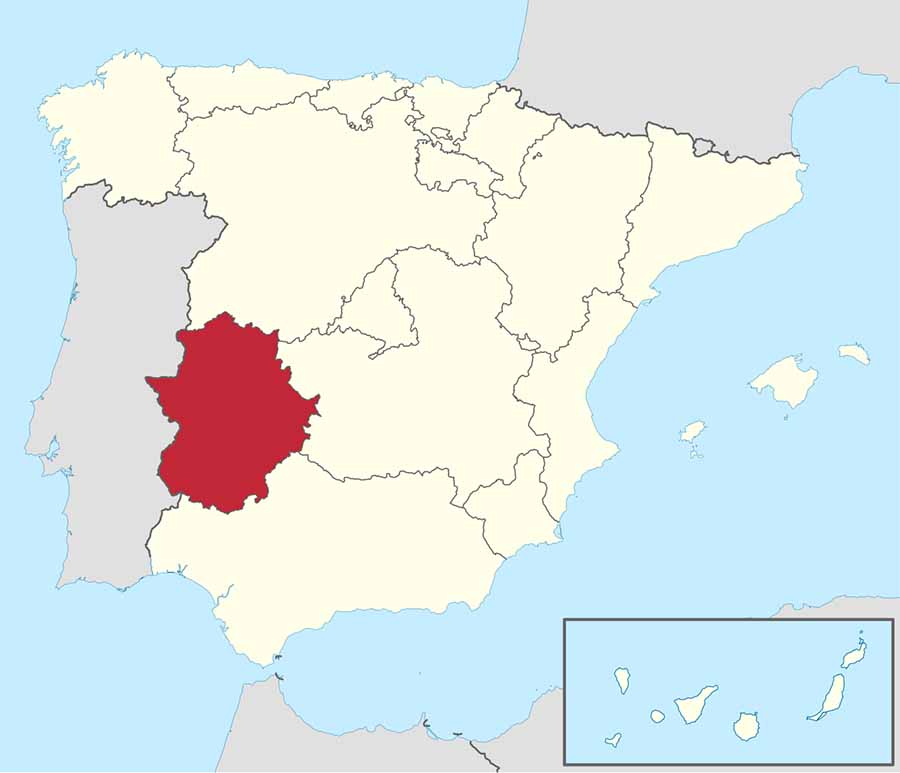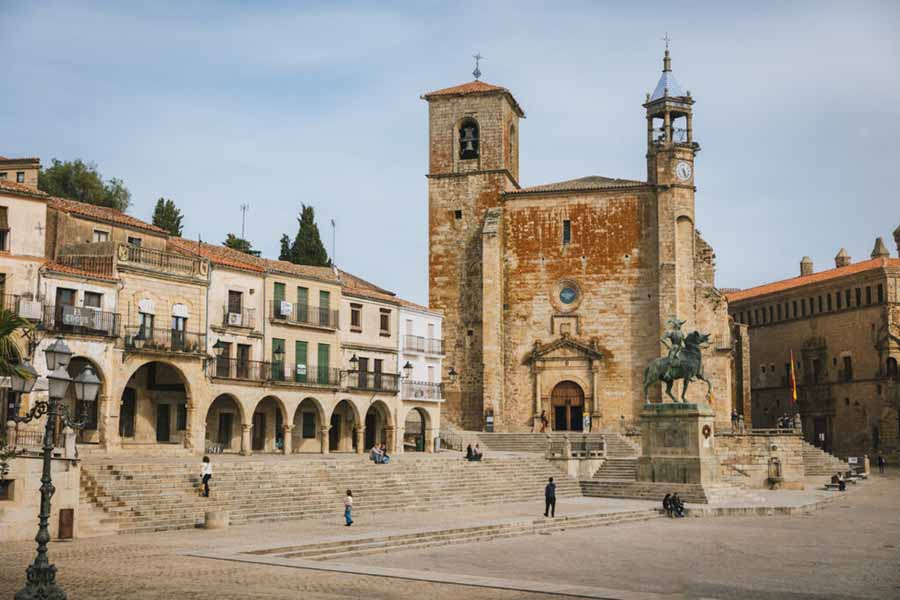
In the heart of Spain, Extremadura offers a delightful gastronomy tourism experience, blending rustic cuisine with welcoming facilities. This region of rolling plains, ancient towns, and oak-dotted landscapes invites visitors to savour its traditional flavours and cultural attractions in a warm, unhurried setting.
Extremadura’s cuisine celebrates its pastoral roots and local produce. The region is renowned for its jamón ibérico, crafted from acorn-fed pigs in the Dehesa meadows, with slices served in tapas bars across Cáceres and Badajoz. Hearty dishes like migas extremeñas, breadcrumbs fried with chorizo and peppers, feature in rural eateries, often paired with a glass of local red wine. In Mérida, restaurants offer cochifrito, a spiced lamb stew, showcasing the region’s love for bold, simple flavours. These shared plates create a friendly dining atmosphere.
Local markets brim with Extremadura’s bounty. Cáceres’ Mercado de Abastos offers Torta del Casar, a creamy sheep’s cheese, alongside cured sausages and cherries from the Jerte Valley. In Trujillo, markets showcase pimentón de la Vera, a smoky paprika that defines many local dishes. Cooking classes in Plasencia teach visitors to prepare gazpacho extremeño, a chilled soup with tomatoes and local olive oil, blending tradition with hands-on learning.
Wine tourism is growing in Extremadura, particularly in the Ribera del Guadiana region, where vineyards produce robust reds and crisp whites. Bodegas in Almendralejo welcome guests for tours and tastings, often paired with local cheeses or ham, set against scenic vineyards. The region’s olive oil, especially from Monterrubio, is another draw, with mills offering visits to explore production methods followed by tastings of fruity, aromatic oils.
Extremadura’s cultural landmarks enhance its culinary appeal. Mérida’s Roman theatre and aqueduct reflect the region’s ancient history, complementing nearby restaurants serving perdiz estofada, a partridge stew. In Cáceres, the medieval old town pairs with eateries offering lamb with pimentón sauce. The rolling hills of Sierra de Gata provide a scenic backdrop for dining on goat’s cheese and wild mushrooms. These sites weave a rich historical thread into the food culture.
Accommodation ranges from rustic guesthouses in villages like Guadalupe to modern hotels in Badajoz’s bustling centre. Many offer gastronomic packages, including ham-curing workshops or vineyard tours. Rural restaurants in Zafra serve game dishes like venison with local honey. Extremadura’s commitment to sustainability shines through in its organic markets and farm-to-table dining, ensuring authentic flavours for visitors.
Spain region by region
Almería – Andalusia – Aragón – Asturias – Basque Country – Cádiz – Cantabria – Catalonia – Córdoba – Extremadura – Fuerteventura – Galicia – Gran Canaria – Granada – Huelva – Ibiza – Jaén – La Mancha – La Rioja – Lanzarote – León – Madrid – Majorca – Málaga – Menorca – Murcia – Navarra – Seville – Tenerife – Valencia –