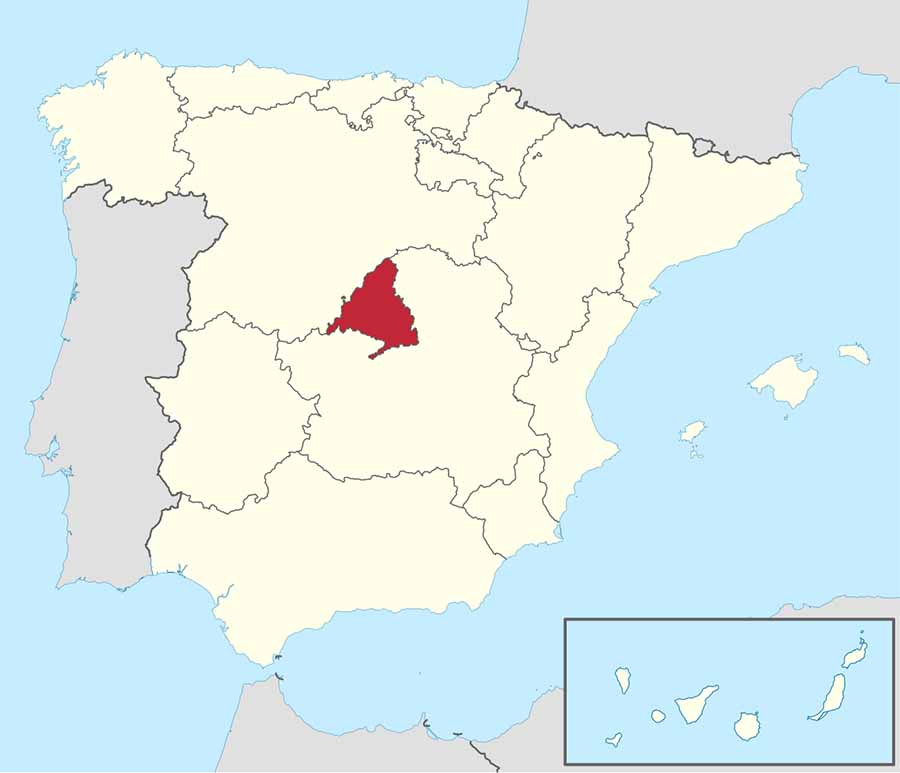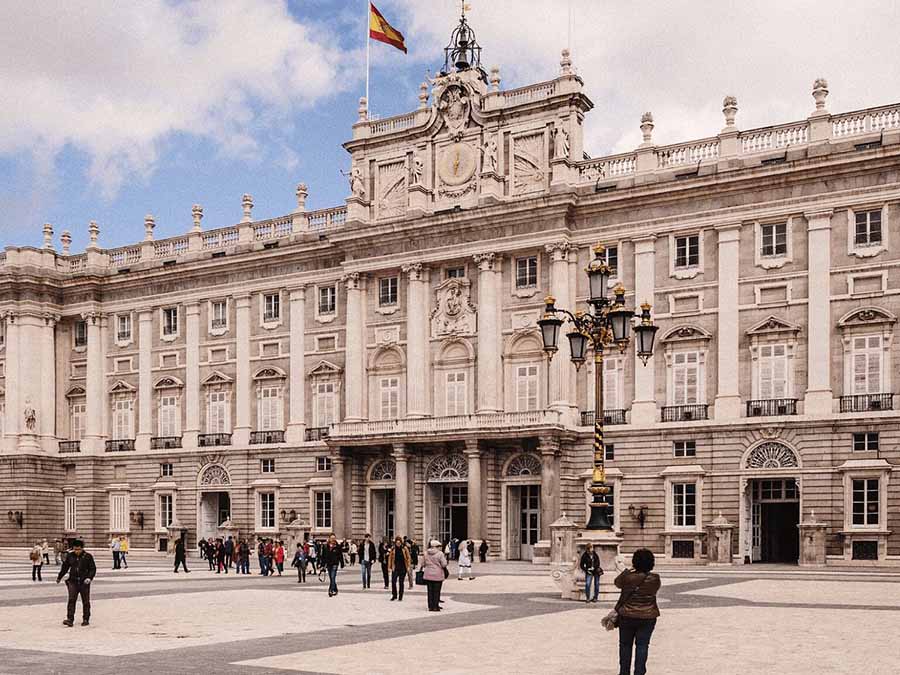
In the heart of Spain, Madrid offers a delightful array of gastronomy tourism opportunities, blending traditional Castilian cuisine with cosmopolitan influences. The region’s food culture, shaped by its central location and rich agricultural surroundings, celebrates fresh ingredients and time-honoured recipes.
From bustling tapas bars to inviting restaurants, Madrid provides a warm setting for travellers eager to explore its authentic flavours. Madrid’s cuisine reflects its role as a culinary crossroads, with dishes like cocido madrileño, a hearty chickpea stew with meats and vegetables, served in three courses at establishments like La Bola in the city centre. Callos a la madrileña, a rich tripe stew with chorizo and paprika, is a local favourite, especially in Malasaña’s traditional taverns.
Fresh seafood, such as gambas al ajillo, sizzling garlic prawns, features prominently in restaurants near Plaza Mayor, while bocadillos de calamares, fried squid sandwiches, are a quick, beloved bite in Madrid’s bustling squares. Sweet treats like rosquillas, anise-flavoured doughnuts, and barquillos, crispy wafer rolls, offer a taste of the region’s dessert traditions, particularly in Chueca’s historic patisseries.
Local wines from the Madrid DO, especially robust reds, elevate meals in venues like Casa Lucio. Food lovers can engage with Madrid’s culinary heritage through hands-on experiences. Cooking classes in Salamanca teach visitors to prepare Spanish classics, from tortilla española to paella.
The Mercado de San Miguel, a lively food market, brims with fresh produce, cheeses, and Iberian ham, offering a chance to connect with vendors. Vineyard tours in Navalcarnero provide tastings of regional wines, alongside insights into their production. In the Lavapiés district, food-focused walking tours introduce travellers to tapas bars serving small plates of local specialties like patatas bravas, spicy fried potatoes.
Madrid’s tourism infrastructure supports its gastronomic appeal. The region is accessible via Adolfo Suárez Madrid-Barajas Airport, one of Europe’s major hubs, and high-speed trains connecting to cities across Spain. Accommodations range from boutique hotels in Chamberí to luxury options like NH Collection in Gran Vía, catering to different preferences.
Efficient metro and bus services, along with car rentals, make it easy to reach culinary hotspots, from the tapas bars of La Latina to the fine dining restaurants of Retiro. Rural dining in areas like San Lorenzo de El Escorial showcases seasonal ingredients, with dishes like judiones de la Granja, a creamy bean stew, celebrating the region’s larder. The diverse landscapes of Madrid, from urban plazas to nearby sierra foothills, create inviting dining settings.
Spain region by region
Almería – Andalusia – Aragón – Asturias – Basque Country – Cádiz – Cantabria – Catalonia – Córdoba – Extremadura – Fuerteventura – Galicia – Gran Canaria – Granada – Huelva – Ibiza – Jaén – La Mancha – La Rioja – Lanzarote – León – Madrid – Majorca – Málaga – Menorca – Murcia – Navarra – Seville – Tenerife – Valencia –