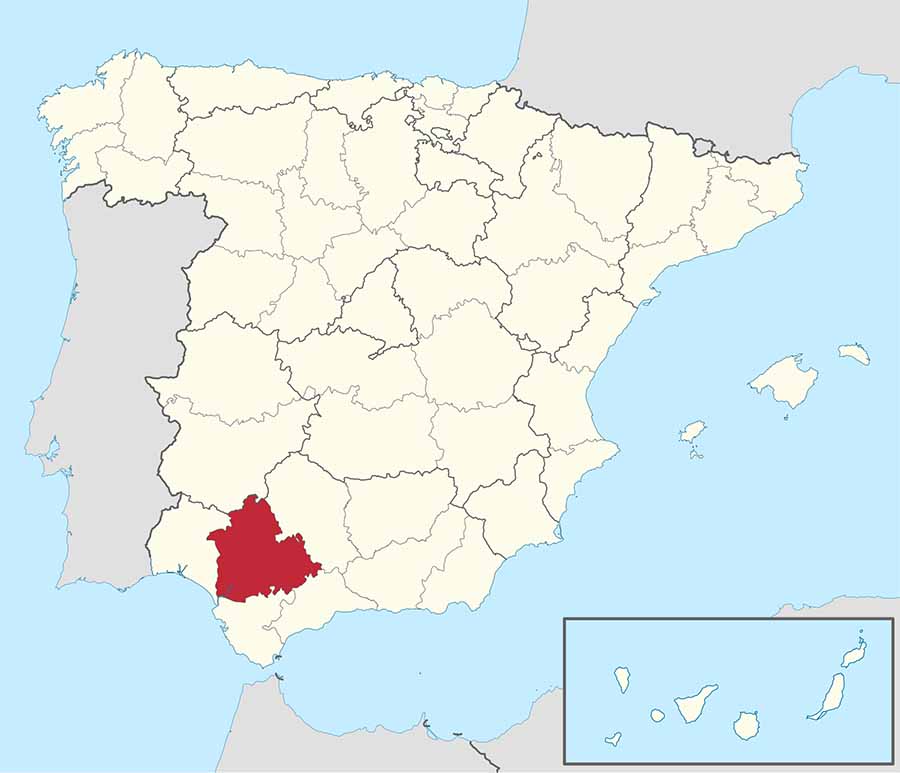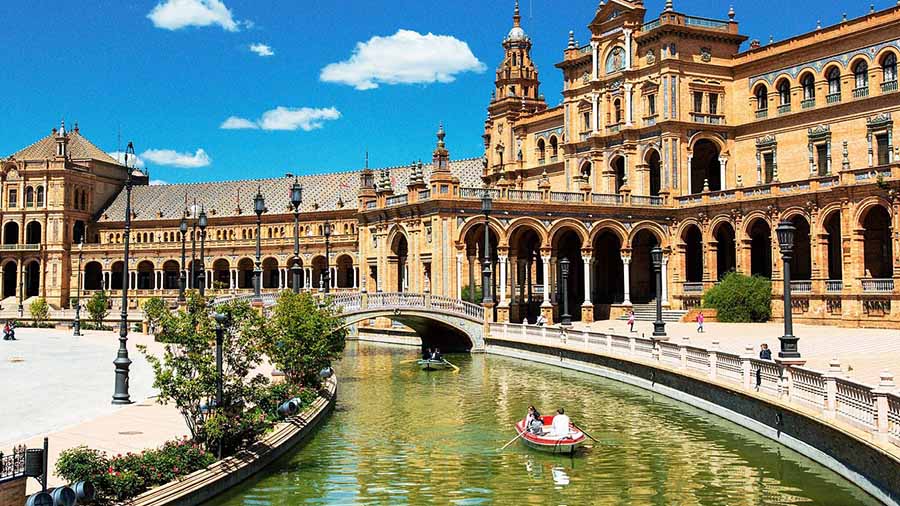
In the heart of Andalusia, Seville offers a rich tapestry of gastronomy tourism that celebrates Spain’s culinary heritage. The city’s food scene, rooted in tradition yet open to innovation, attracts visitors eager to explore its diverse flavours. From bustling tapas bars to historic markets, Seville provides an authentic taste of southern Spain, blending local ingredients with time-honoured recipes.
Seville’s gastronomy tourism thrives on its ability to offer hands-on experiences. Visitors can join cooking workshops to master the art of preparing classic dishes like gazpacho or salmorejo, guided by local chefs who share insights into Andalusian ingredients. Food markets, such as the historic Triana Market, invite travellers to wander through stalls brimming with fresh produce, from olives to Iberian ham. These markets serve as a hub for sampling local delicacies and learning about the region’s agricultural roots.
Tapas culture remains a cornerstone of Seville’s appeal. The city boasts thousands of bars where visitors can savour small plates of patatas bravas, croquetas, or gambas al ajillo, often paired with a glass of fino sherry or a crisp manzanilla. Guided tapas tours lead guests through the cobbled streets of neighbourhoods like Triana or Santa Cruz, offering a chance to taste regional specialities while soaking in the lively atmosphere of local haunts.
Beyond the plate, Seville’s gastronomic offerings extend to its countryside. The surrounding region, dotted with olive groves and vineyards, provides opportunities for tours that explore the production of olive oil and wine. Visitors can stroll through estates, sample award-winning oils, and learn about the craftsmanship behind these staples of Spanish cuisine. These rural excursions offer a glimpse into the agricultural heart of Andalusia, connecting travellers with the land that shapes Seville’s food culture.
Accommodation in Seville caters to food-focused travellers, with many hotels and guesthouses offering packages that include culinary workshops or dining experiences. Boutique establishments in the city centre provide easy access to top restaurants and markets, while some feature in-house chefs who craft menus showcasing local ingredients. For those seeking a more independent experience, short-term rental properties are widely available, often located near key food destinations.
Seville’s infrastructure supports its culinary tourism with well-maintained facilities. The city’s transport network, including buses and a metro system, makes it easy to navigate between food markets, restaurants, and rural estates. Bicycle paths and walking routes also connect key sites, allowing visitors to explore at their own pace. For those arriving by air, Seville’s airport offers convenient links to the city centre, ensuring a smooth start to any gastronomic journey.
The city’s commitment to preserving its culinary heritage while embracing modern trends creates a welcoming environment for food lovers.
Spain region by region
Almería – Andalusia – Aragón – Asturias – Basque Country – Cádiz – Cantabria – Catalonia – Córdoba – Extremadura – Fuerteventura – Galicia – Gran Canaria – Granada – Huelva – Ibiza – Jaén – La Mancha – La Rioja – Lanzarote – León – Madrid – Majorca – Málaga – Menorca – Murcia – Navarra – Seville – Tenerife – Valencia –