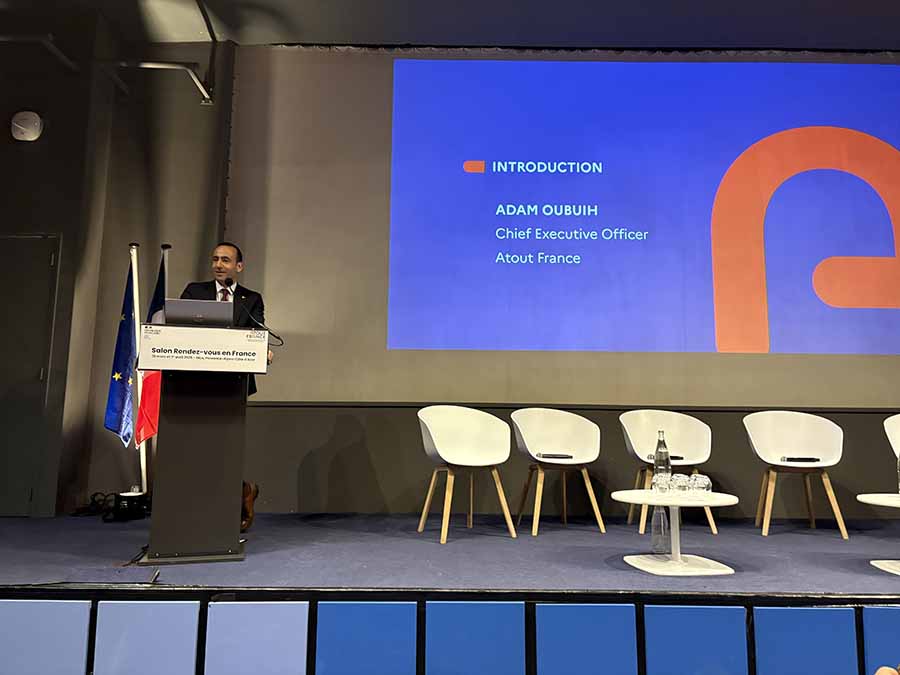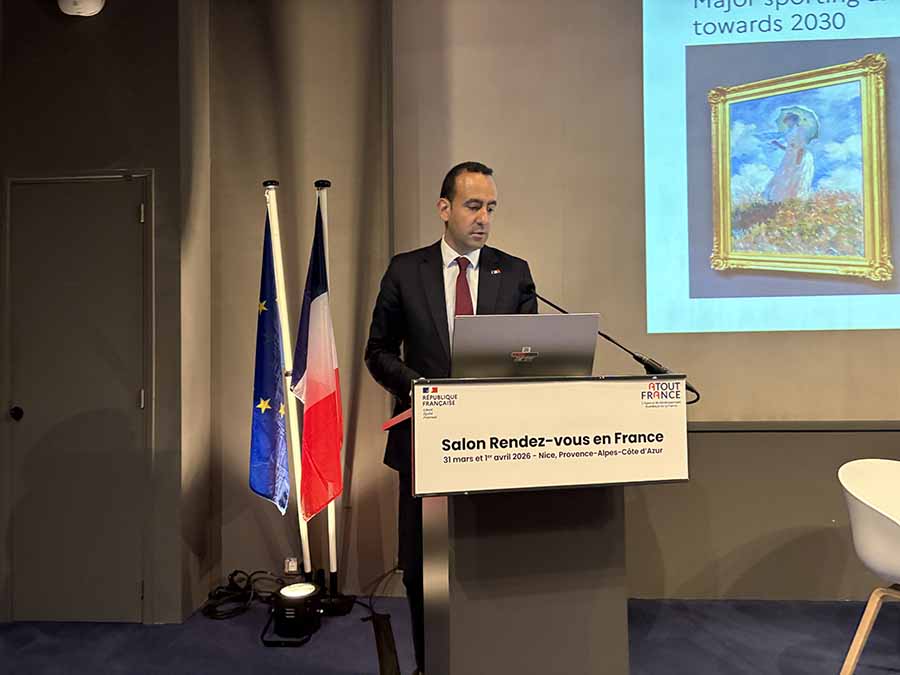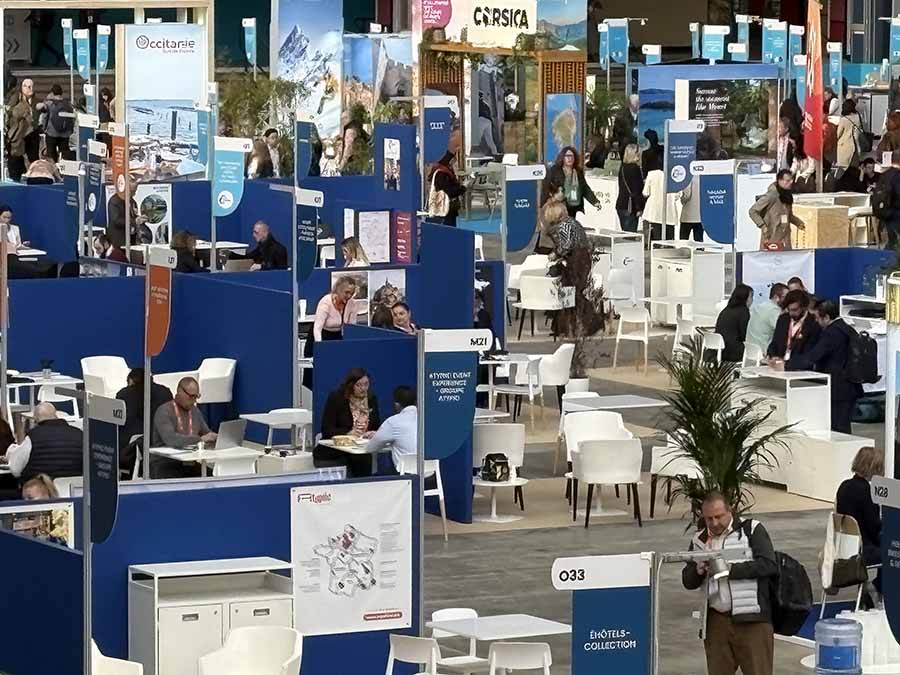
The CEO of French Tourism Adam Oubuih told a media press conference that France is happy with the target of 100m visitors that it has achieved, and now wishes to stabilise that number and increase visitor spent.
He explained that while they could not curtail additional visitors, they would not be promoting France in some markets, but we’re going to continue their efforts in places where they see a potential for high spend tourists such as India and China.
He said while there were worrying trends from the current golf crisis, there were also opportunities as more people would look to France and to Europe in general for their holiday options. While the very high number of international tourists, which makes France the most visited country in the world, more than 70pc of the French tourism at hospitality industry are driven by domestic tourism.
He said France was on course to become the most sustainable tours of destination in the world. More than 97pc of the energy in the country is carbon free, and the high speed train service is the envy of Europe. Among the measures to be introduced for the Olympics in 2030 is. to reduce the train time from Marie to the high ups from five hours to two hours.
- The current context for French tourism is both demanding, due to geopolitical instability, rising oil prices, and ongoing post-COVID turbulences that make crises unpredictable, and encouraging, as the sector has always shown resilience.
- France can be summarised in two words: excellence (of infrastructures, wine, traditions, heritage, and innovation) and boldness (a French spirit of reinvention that has kept the country the world leader in tourism for decades).
- Last year was record-breaking, with 102m visitors, 743m international overnight stays, nearly €80bn in revenue from foreign tourists (up 10pc), and a positive tourism balance of €20.1bn, boosted by the 2024 Olympics.
- The French government’s ambitious 2030 roadmap has three aims: stabilise international visitor numbers at €100m (already achieved), increase foreign tourism revenue to €100bn (a 50pc rise from current levels), and position France as the world’s most sustainable tourism destination.
- Sustainability is a core competitive advantage, backed by 97pc decarbonised electricity, a strong railway network, strict building and accommodation legislation, national decarbonisation targets for 2030, and the EU goal of carbon neutrality by 2050 – made even more relevant by current fossil-fuel dependence and climate risks.
- Strategies focus on value creation by raising the average spend per tourist, alongside diversification of source markets, visitor timing, and sectors including agritourism, sports tourism, creative industries, and the legacy of the 2024 Olympics.
- France is investing in quality and moving upmarket, with new palace designations and continuous improvements to the tourism offer, ensuring higher-value experiences beyond traditional postcard images.
- 2025 and beyond will showcase France’s boldness through major events and initiatives, including hosting the G7, the centenary of Clon’s death, the 250th anniversary of US independence and 140th anniversary of the Statue of Liberty gift, and Normandy’s 2027 millennium of William the Conqueror’s birth, all illustrating innovation, value creation, sustainability, and diversification.