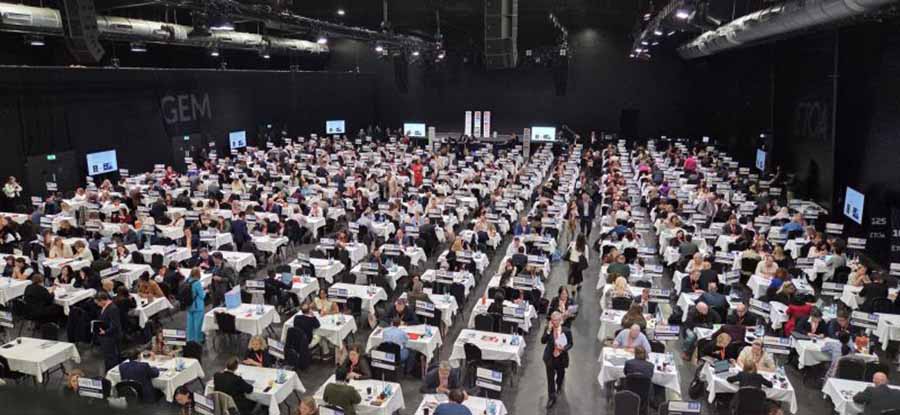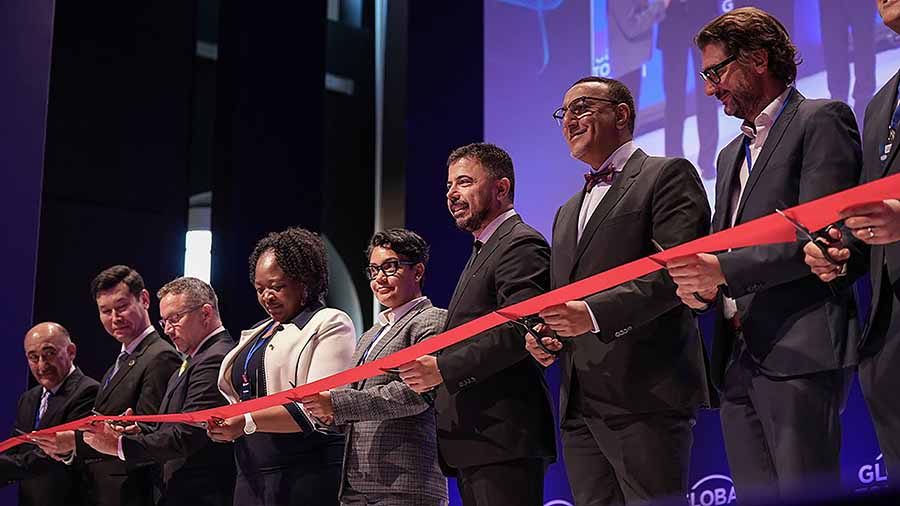
The Global Tourism Forum Annual Meeting 2026 in Brussels concluded on November 10, 2026, with a unified call to treat tourism as essential infrastructure rather than just a commercial sector. Held at the Royal Museums of Fine Arts of Belgium under the theme “Tourism in a New Global Era,” the two-day event centered on linking capital investment directly to traveler security, public trust, and community benefits.
Investment and Destination Development
- Speakers emphasized that turning tourism masterplans into bankable projects requires long-term resilience and balanced growth
- Linking Capital to Confidence. Bulut Bağcı, president of the World Tourism Forum Institute, stressed that investment requires confidence, which only grows when travelers feel safe and know what to expect.
- Shifting Value Paradigms. Jean-Jacques Morin, Deputy CEO of Accor, noted that modern tourism has moved from consumption to contribution, making legacy, belonging, and sustainability commercial necessities rather than abstract concepts.
- Turning Plans into Projects. Sessions featuring the European Travel Commission focused on blending public and private funding to build climate-resilient hotels and transport links.
The second day highlighted how geopolitical tensions, cyber threats, and border friction affect destination competitiveness.
- Smarter Aviation Security. The International Air Transport Association (IATA) urged European authorities and airlines to establish faster threat-sharing channels following more than 25 recently targeted flights.
- Managing Emerging Risks. Industry leaders pushed for coordinated responses to drone incursions, GNSS interference, hoax bomb threats, and airport cyber risks.
- Streamlining Cross-Border Checks. Delegates called for more reliable digital borders, biometric travel identities, and “One Stop Security” to cut repeated airport checks while maintaining passenger confidence.
Community Benefits and Resilience
Leaders agreed that destinations must measure success beyond raw visitor numbers to prevent overtourism and housing shortages.
- Giving Communities a Stake. Ministers shared regional models for local empowerment, including Montenegro expanding registered rural hospitality businesses to over 400 in five years, Guyana backing community-owned tourism, and Mozambique diversifying into gastronomy and conservation.
- Year-Round Access and Preparedness. Discussions highlighted strategies for attracting visitors outside peak seasons and preparing infrastructure for climate disruption and public health emergencies.
- The Brussels Agenda. The forum closed with the Brussels Agenda for Tourism Investment and Security, a framework designed to turn these discussions into funded, accountable projects.