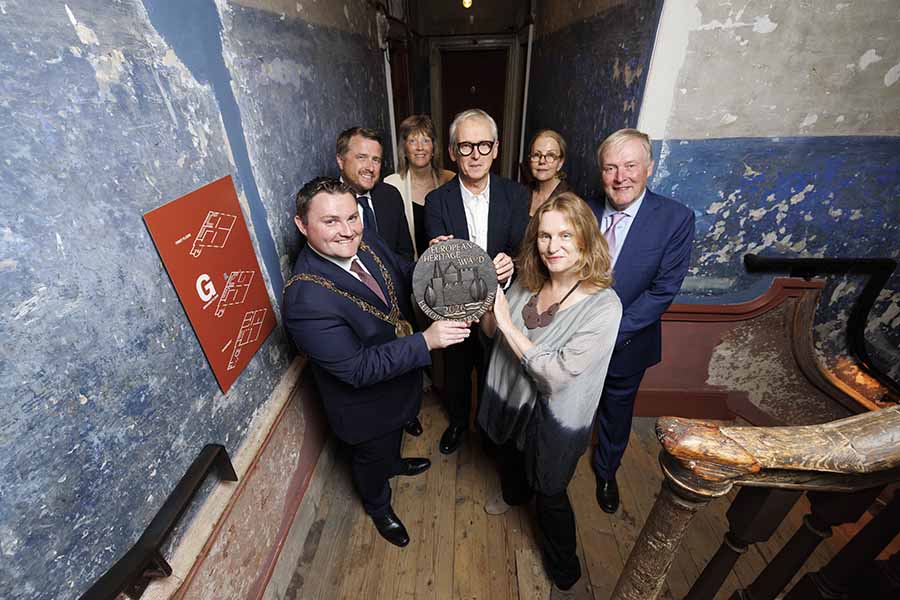
- Dublin City Council’s social history museum at 14 Henrietta Street has received the 2026 European Heritage Award / Europa Nostra Award
- The award recognises the museum’s people-first approach to connecting the building’s architecture with the lives of former residents
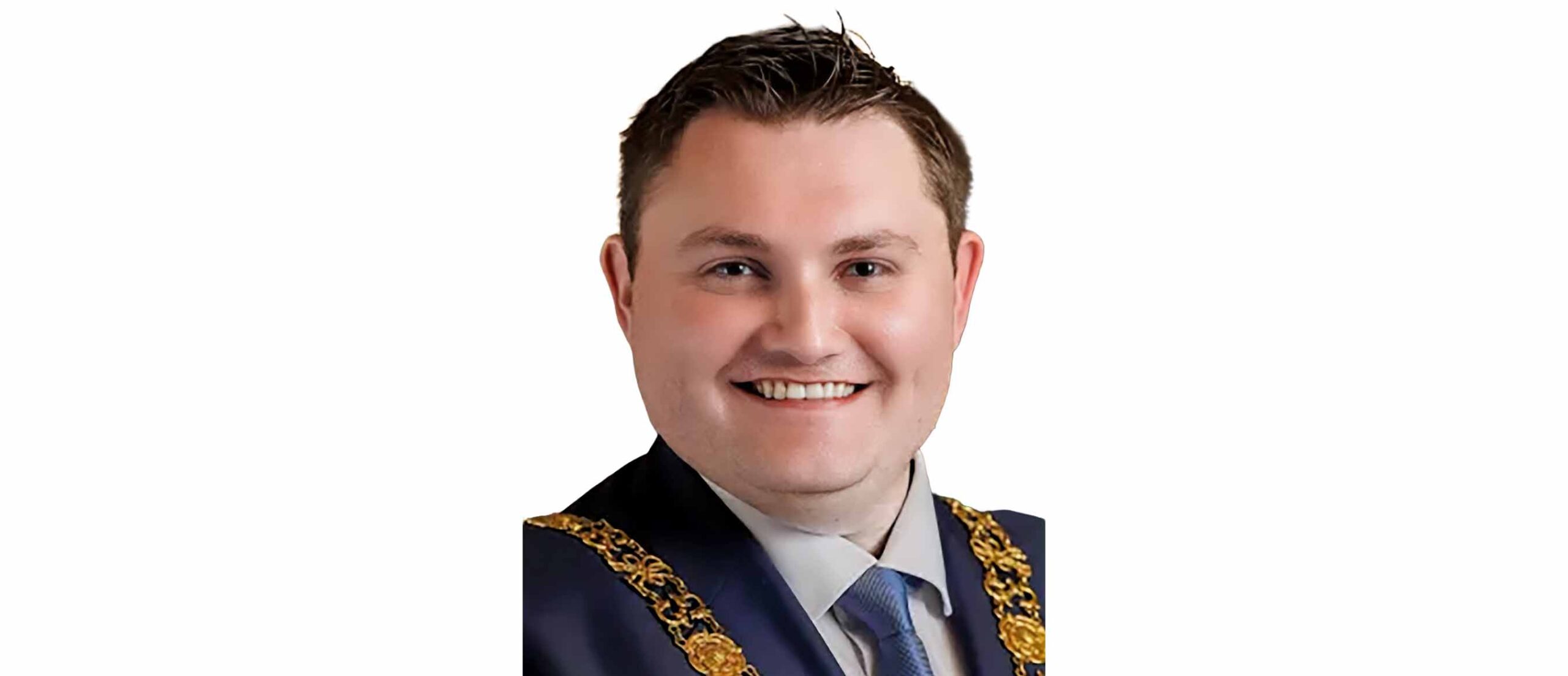
- Lord Mayor Daryl Barron and Minister James Browne TD attended the presentation ceremony at the museum during Heritage Week
- The Georgian townhouse operated as a tenement housing many families before Dublin City Council purchased it in 2008
- The museum opened to the public in 2018 following a decade of conservation and research work
Dublin City Council’s social history museum has received recognition for its people-first approach to linking the history and architecture of the building with the lives, memories and experiences of the people who lived there. 14 Henrietta Street, Dublin City Council’s social history museum, has marked its European Heritage Award / Europa Nostra Award 2026 at an official presentation ceremony held at the museum during Heritage Week.
The awarding of the 2026 European Heritage Award / Europa Nostra Award to this Dublin museum has recognised 14 Henrietta Street’s work in citizens’ engagement. The award celebrates the museum’s people-first approach to linking the history and architecture of the building with the lives, memories and experiences of the people who lived there. The award also recognises the museum’s work with former residents, local communities, visitors, historians, artists and educators. Lord Mayor of Dublin Daryl Barron joined James Browne TD, Minister for Housing, Local Government and Heritage, representatives of Europa Nostra, the European Commission Representation in Ireland, the Heritage Council and Dublin City Council for the ceremony. Paul Dujardin, representing the Europa Nostra jury, presented a commemorative plaque to the museum.
Built in the 18th century as a grand Georgian residence, 14 Henrietta Street later became a tenement that was home to many families. Dublin City Council purchased the building in 2008 and carried out a decade of conservation, restoration and research before opening it to the public as a museum in 2018. The European Heritage Awards / Europa Nostra Awards were launched by the European Commission in 2002 and are run by Europa Nostra, with support from the European Union’s Creative Europe programme. In 2026, 14 Henrietta Street was one of 30 winners selected from 261 eligible applications from 40 European countries. 14 Henrietta Street is owned and conserved by Dublin City Council and operated by Dublin City Council Culture Company on a not-for-profit basis.
Lord Mayor of Dublin Daryl Barron shared: “Dublin City Council has long held the stewardship of our city’s built and cultural heritage as a fundamental responsibility. We recognise that heritage is not a static thing; it requires active engagement, strategic planning, and investment not just in our heritage buildings but in our collective memory.”
Minister for Housing, Local Government and Heritage James Browne shared: “This museum stands as a beacon of what we can achieve when we protect our shared history. It was a privilege for my department to support the restoration of this building through the Civic Structures Grant Scheme and that of my colleagues in the former Department of Culture, Heritage and the Gaeltacht, via the Centenaries Capital Grant Programme.”
Iseult Dunne, Chief Executive of Dublin City Council Culture Company, shared: “At 14 Henrietta Street, everything we do is shaped by listening to, engaging with and learning from the people who connect with the house and its history. We aim to ensure that visitors can explore the history and heritage of Dublin in ways that feel meaningful and accessible.”
Paul Dujardin, representing the Europa Nostra jury, shared: “The work of the Jury is never easy, as every year it considers an exceptional range of projects from across Europe. 14 Henrietta Street stood out because it demonstrates how heritage can be made meaningful, accessible, and relevant through high-quality research, community participation, and exceptional storytelling.”