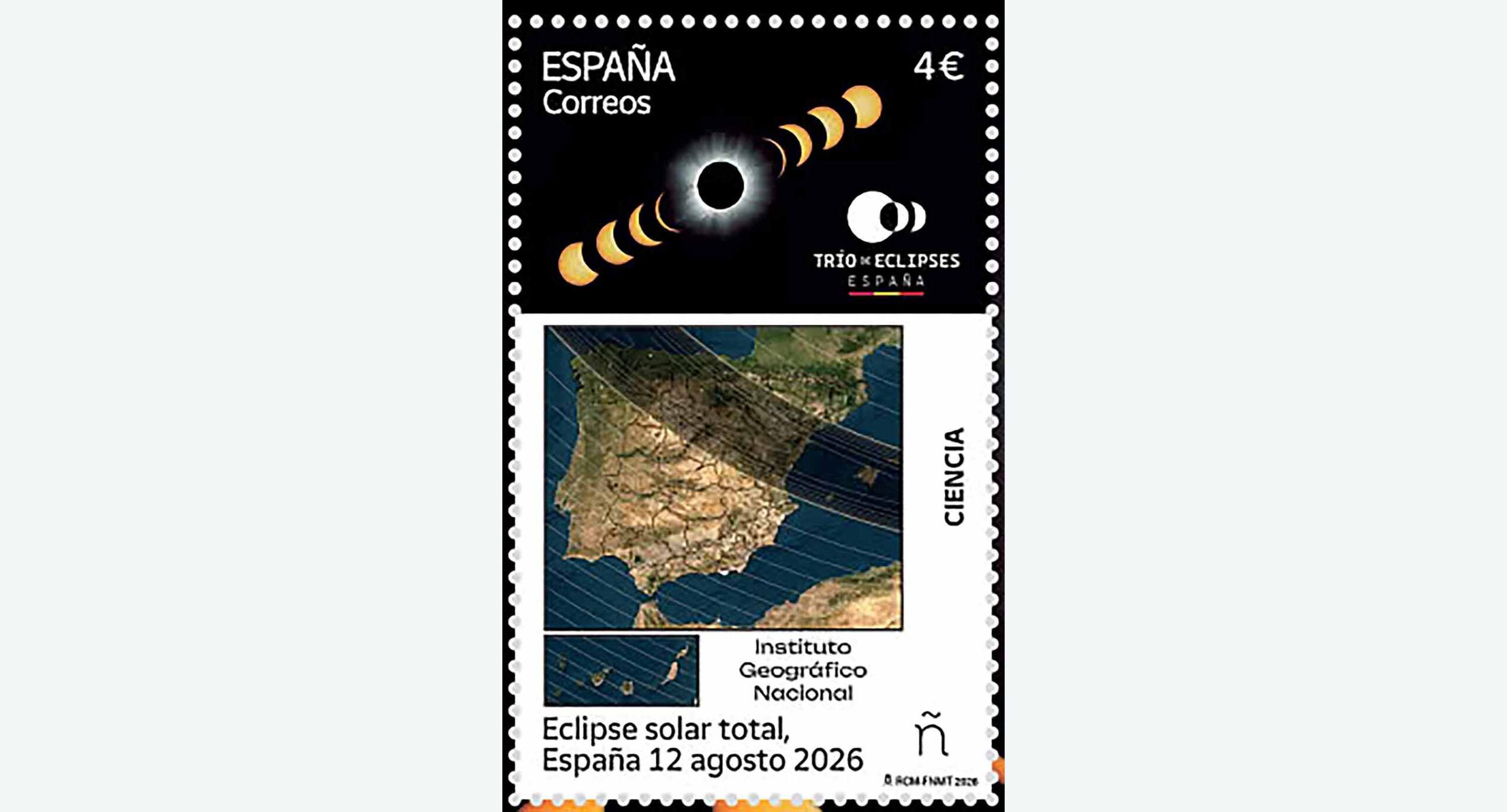
By a margin, Spain the largest tourism boost and the biggest viewing crowds for Wednesday’s eclipse, Iceland had a major but more constrained surge (with mixed weather); Portugal had a localized rural boost; Greenland was mainly high-end cruise-based with very limited land access. The August 12, 2026, total solar eclipse path crossed eastern Greenland, western Iceland, a tiny northeastern corner of Portugal, and a broad band of northern/central Spain (including the Balearics), ending over the Mediterranean. Totality lasted up to 2 min 18 s (near Iceland) and was shorter in Spain/Portugal (often 30 s–1.5 up min, near sunset).
Spain delivered the biggest volume and economic impact thanks to population, accessibility, infrastructure, and better weather odds. Iceland offered rarity and scenery but faced capacity limits and cloud risks. Portugal’s boost was concentrated and brief. Greenland remained elite/expedition territory.
Hotel prices spiked everywhere along the path, flights rose, and the event highlighted “astrotourism” while testing local logistics (traffic, safety, wildfires in Spain). Exact final attendance and spending figures were still being refined immediately after the event on Aug 13, but pre-event projections and on-the-day reports consistently showed large-scale movement, especially in Spain.
Spain
Official Spanish Ministry of Economy estimates projected 446,700 additional visitors (roughly 164,000 foreign, 282,000 domestic) for the week of Aug 10–16, generating a net economic impact of €347–348m (mostly from foreign spending of €247m). Other reports cited potential rural spending around €362m and broader expectations of up to 6m people moving into the path (including locals). Hotel bookings surged sharply with Bilbao up 366pc, Asturias up 292pc, Valencia up 137pc year-on-year in Amadeus data, occupancy rose 16pc and average daily rates 36pc across key areas combined with Iceland. Flight bookings to path airports were up 25pc. Rural “empty Spain” areas and northern cities such as A Coruña, Bilbao, Zaragoza, León, Burgos and the Balearics benefitted most. Social media showed gatherings in 660 official viewing sites.
Clear skies favoured Spain for many of the best views in mainland Europe. Millions gathered in cities, towns, and rural sites. Reports noted 450,000 tourists arriving many from overseas, including the US, Japan, Canada, Australia, with hundreds of thousands heading to rural villages. Examples included crowds in places like Medinaceli, San Asensio, Castrillo de la Reina, and official sites; one rural area expected 5,000. Authorities deployed tens of thousands of police, up to 24,000–33,500 due to traffic, with up to 1.5m extra car journeys expected and wildfire risks amid heat. The event was widely described as successful under mostly favorable weather, with dramatic “sunset eclipse” conditions.
Iceland
Weather was challenging for Iceland’s eclipse experience with cloudy/rainy for many, though social media experienced breaks allowing views of the corona or dramatic darkening with birds reacting and temperature drops. Infrastructure was strained in remote areas; traffic management and access limits applied in places like the Westfjords.
It brought strong demand in an already busy peak season. One analysis noted 75,000 foreign visitors plus heavy cruise traffic. Hotels in Reykjavík and the path (Westfjords, Snæfellsnes, Reykjanes, capital area) sold out months/years ahead; rates often doubled or rose to four figures. Occupancy in the path rose notably, rising to 80pc from 61pc in the prior year. Flight searches to Reykjavík more than doubled. A record 31 cruise ships carried 53,000 passengers/crew off the western coast.
Crowds gathered in Reykjavík (1 min totality), for the first total eclipse in Iceland since 1954 (and from Reykjavík since 1433). Westfjords (longest on land, up to 2 min 13–14 s at places like Látrabjarg), Snæfellsnes, and coastal spots. Festivals and events also drew thousands, such as in Hellissandur/Snæfellsnes).
Portugal
Portugal had only 26 seconds of totality in a tiny zone (first since 1912; next in 2144). Hundreds to a few thousand expected/attended in the park/villages (one local estimate of “some hundreds” after plans for 2,000; GNR deployed 150 personnel). Roads are narrow so crowds were managed carefully. Most of the country experienced a strong partial eclipse.
The eclipse was limited to a narrow strip in the northeast (Montesinho Natural Park / Bragança area near the Spanish border, and villages like Rio de Onor and Guadramil. Accommodation in the region sold out months ahead. One university estimate suggested possible €25m injection into Trás-os-Montes over the weekend via lodging, food, etc. Broader Portugal saw deep partial coverage and hundreds of science/viewing events nationwide.
Greenland
Greenland’s eclipse tourism was expedition and cruise focused as there was an extremely limited land population in the path (Scoresby Sound area hd 1 min 45 s–2 up min totality. Dozens of ships sailed the broader Iceland–Greenland corridor; Specialised Arctic expedition cruises charged high prices often €8,000–€30,000 or more per person for multi-day voyages.