The storm is a-coming, so the oracle says. Ryanair CEO Michael O”Leary says some airlines could struggle to survive this winter if oil prices remain high.
The carrier warns short-haul fares may rise sharply, and it’s cut its passenger target for next year. He says rising fuel costs linked to the conflict in the Middle East are putting pressure on the industry.
The combination of elevated jet fuel prices and uncertain geopolitical conditions in the Middle East creates a demanding operating environment for carriers across the continent as they prepare schedules and capacity plans for the colder months.
Fuel represents one of the largest single cost items for most operators, between 25pc and 50pc with low cost carriers at the higher end of the spectrum, and any sustained elevation in the price of oil translates directly into higher expense lines that must be managed through a mixture of commercial and operational measures.
Short-haul networks face particular exposure because the relatively brief stage lengths leave limited opportunity to dilute fuel burn through longer cruise segments. In this setting management teams must weigh the merits of capacity discipline against the risk of surrendering market share to better capitalised competitors.
Trimming winter
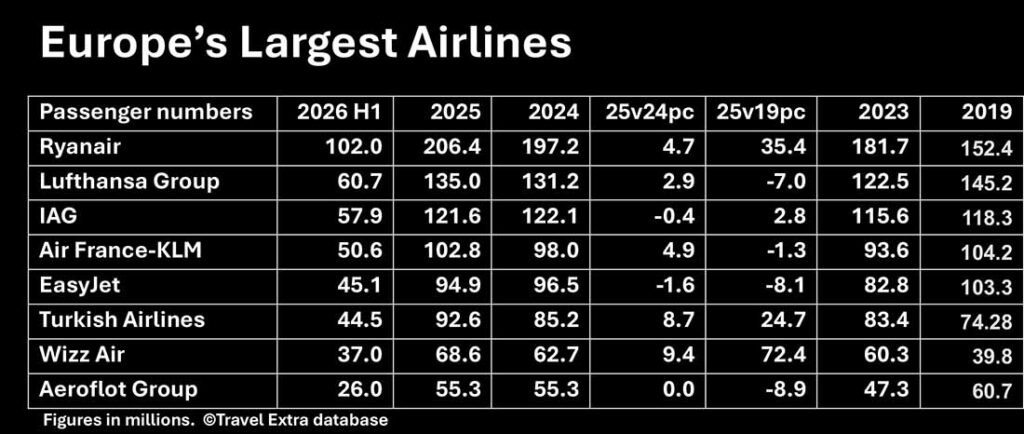
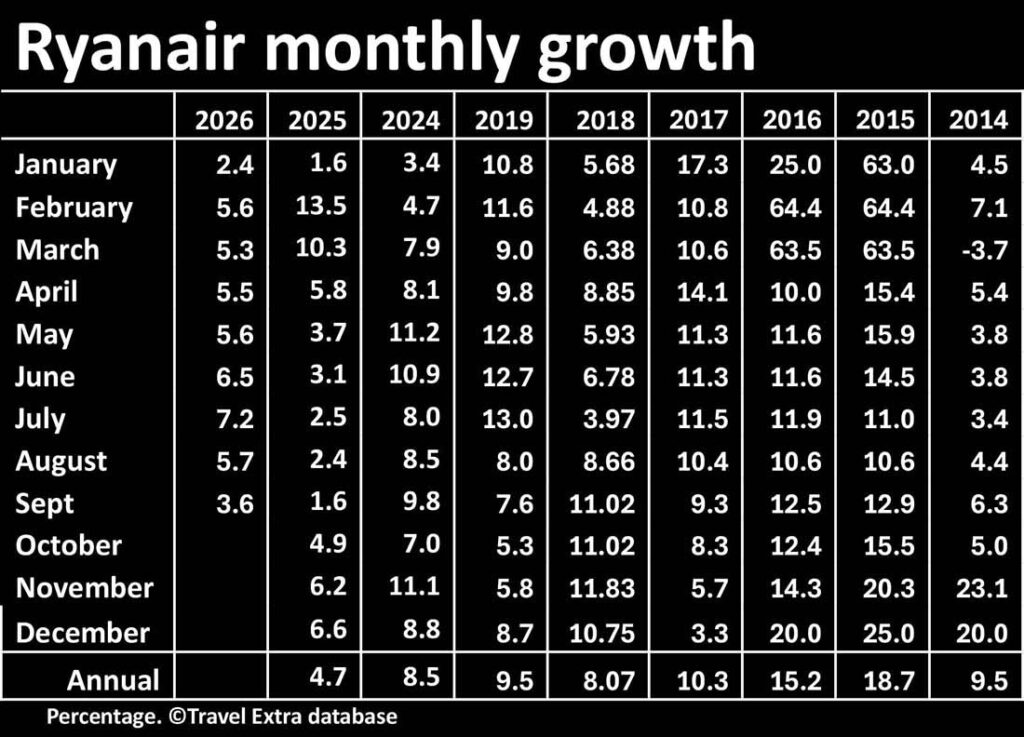
Ryanair has already confirmed it is reducing its passenger growth target for the coming financial year and has indicated that average fares on short-haul routes could climb if oil remains expensive. It does not really mean cuts to existing routes, jjust slower growth.
The airline’s low-cost model rests on high aircraft utilisation and rapid turnarounds so any increase in the cost of kerosene forces a choice between absorbing the expense or passing it on to passengers. Options available to the carrier include tighter control of discretionary flying, accelerated retirement of older aircraft that consume more fuel per seat, and further pressure on airport charges and ground handling contracts.
Currency exposure is managed in euros where possible and the group continues to hedge a portion of its expected fuel requirement although the precise percentage remains subject to market conditions.
Emerald Airways operates a smaller network and therefore possesses fewer levers with which to offset cost inflation. Its management can examine the profitability of individual routes on a contribution basis and withdraw capacity from those that fail to cover variable costs once the higher fuel price is applied.
Codeshare arrangements with larger partners may offer a route to incremental revenue without the need to deploy additional aircraft. The airline can also review its maintenance contracts to ensure that engines and airframes are kept in the most efficient condition possible thereby limiting excess fuel burn.
Big airlines, small margins
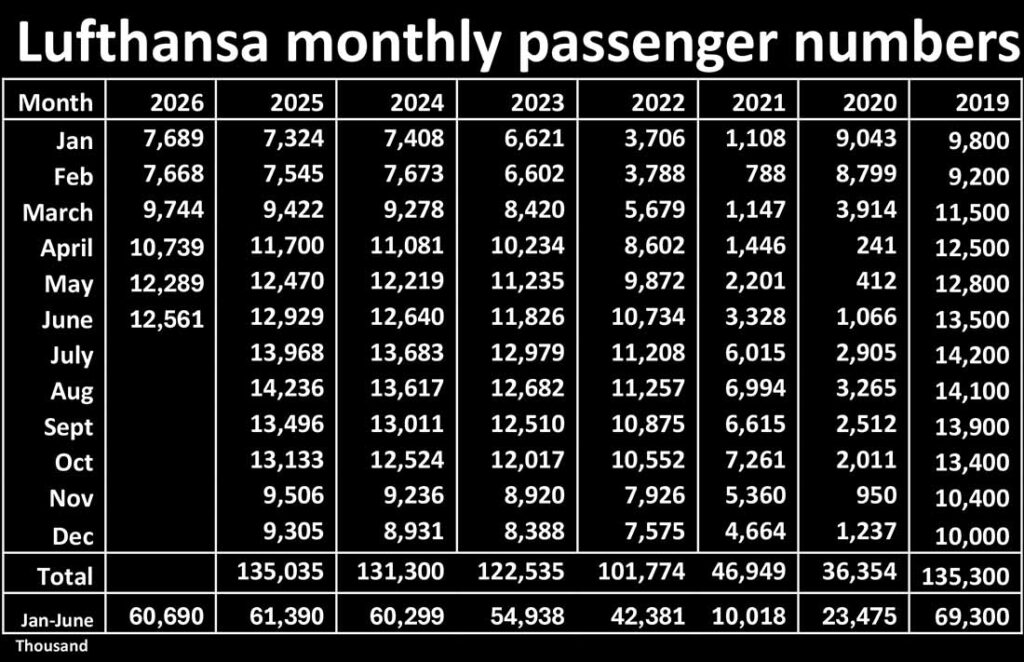
Lufthansa Group faces a more complex set of decisions because it operates both full-service long-haul services and short-haul feeder traffic under several brands. The group can accelerate the retirement of older four-engine aircraft in favour of more efficient twin-engine types already on order.
It can also adjust the balance between passenger and cargo capacity on long-haul routes where belly-hold freight provides a useful revenue offset. On the short-haul side the group retains the option of consolidating frequencies or transferring flying to its lower-cost subsidiaries.
Fuel hedging programmes remain in place and the group continues to negotiate with suppliers for improved terms denominated in euros.
Air France/KLM and SAS together form another major European combination that must navigate the same cost pressures. The alliance partners can coordinate schedule adjustments so that overlapping capacity is reduced while preserving connectivity for connecting passengers. SAS in particular continues to implement its restructuring plan and can use the current environment to accelerate the exit of loss-making routes.
Air France and KLM can prioritise the deployment of their newest generation narrow-body aircraft on the densest short-haul sectors in order to minimise fuel consumption per available seat kilometre. Joint purchasing of fuel and joint negotiation of airport contracts remain available tools for containing expenses measured in euros.
IAG can draw on the relative strength of its British Airways and Iberia brands while also managing the cost base of its lower-cost subsidiaries. The group has the option of shifting capacity between its hubs in London, Madrid and Dublin according to relative demand strength and fuel efficiency.
It can also continue the progressive replacement of older aircraft with newer types that burn less fuel. Commercial initiatives such as dynamic pricing and the expansion of ancillary revenue streams provide additional means of offsetting the higher cost of kerosene without relying solely on base fare increases.
Low cost squeeze
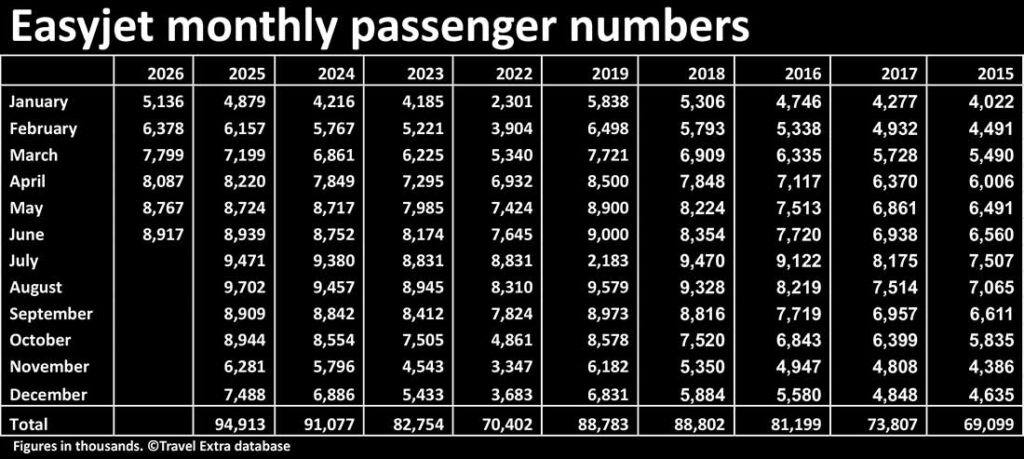
EasyJet operates an exclusively short-haul network and therefore feels the impact of higher fuel prices acutely. The airline can respond by tightening its capacity plans for the winter season withdrawing aircraft from the least profitable bases and concentrating flying on routes that generate the strongest yields.
It can also accelerate the introduction of newer aircraft already on order which offer lower fuel burn. Negotiations with airports over charges and the continued development of ancillary products remain central to protecting the margin. All cost figures continue to be tracked in euros for internal reporting.
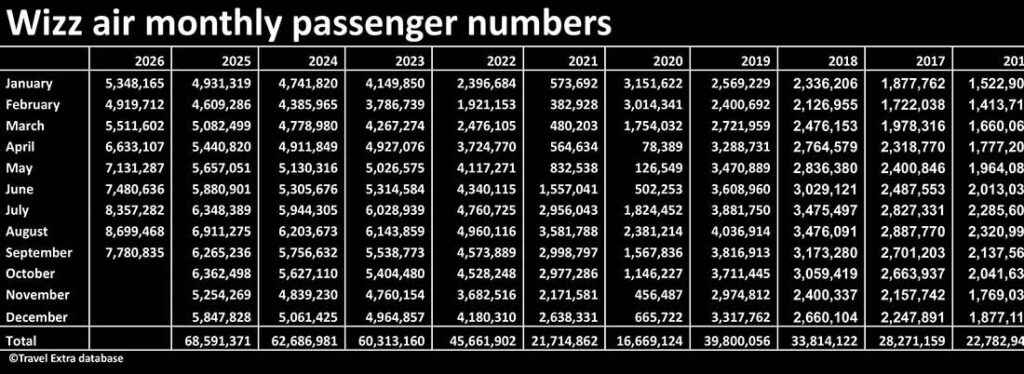
Europe’s fastest growing airline, Wizz Air can leverage its ultra-low-cost model by maintaining strict discipline on aircraft utilisation and by withdrawing capacity from markets that no longer cover the elevated fuel cost. The airline retains the flexibility to move aircraft between bases across Central and Eastern Europe according to relative profitability. Continued focus on ancillary revenue and rigorous control of non-fuel costs denominated in euros will be essential.
Other flags
Turkish Airlines benefits from its geographic position and extensive long-haul network which allows a degree of dilution of short-haul fuel costs. The carrier can adjust the mix of its flying to favour longer sectors where fuel efficiency is higher and can continue to develop cargo activities that provide a natural hedge against passenger yield softness.
Fleet modernisation remains a priority and the progressive introduction of more efficient aircraft types will help contain the rise in fuel expense. Aeroflot operates under a different set of constraints linked to its home market yet still faces the same global oil price environment.
Options include careful management of available capacity on international routes that remain open and the continued optimisation of domestic flying where demand patterns are more predictable. Fuel efficiency programmes and the gradual renewal of the fleet with aircraft that consume less kerosene per seat remain available avenues for cost control.
Finnair faces particular challenges because of the length of its Asian network and the impact of Russian airspace closures which have lengthened many of its routes and increased fuel burn. The carrier can respond by adjusting frequencies on the longest sectors and by accelerating the introduction of more efficient aircraft. Partnerships with other carriers can help protect connecting traffic while the airline works to contain costs measured in euros.
TAP Air Portugal can examine its network for routes that fail to generate adequate contribution after the application of higher fuel prices and can reduce frequencies or suspend services accordingly. The progressive arrival of newer aircraft will improve the average fuel efficiency of the fleet. Codeshare and joint venture arrangements continue to offer a means of filling seats without the need to deploy additional capacity.
Air Baltic can concentrate its flying on the strongest demand corridors within the Baltic region and beyond while carefully monitoring the contribution of each route. The airline’s modern fleet already provides a relatively efficient platform and further gains can be sought through optimised flight planning and continuous monitoring of aircraft performance.
Vertical integration
Cost control at source remains a daily priority. Loganair serves a network of thinner routes many of which are essential for regional connectivity. The carrier can work with local stakeholders and governments to secure support for socially necessary services while reviewing the commercial viability of purely discretionary flying.
Fuel efficiency measures and careful scheduling to maximise aircraft utilisation offer the principal means of containing the impact of higher oil prices. TUI Group operates both airline and tour operating businesses and can therefore adjust the balance between the two. The airline subsidiaries can reduce capacity on routes that no longer meet contribution thresholds after the fuel cost increase while the tour operating side can redesign packages to reflect higher transport costs.
Fleet modernisation and the use of more efficient aircraft types remain central to the longer-term response. Pegasus Airlines can maintain its competitive position by continuing to control non-fuel costs tightly and by adjusting capacity on a route-by-route basis. The carrier’s focus on the Turkish domestic market and selected international routes provides flexibility to redeploy aircraft toward the strongest demand. Progressive fleet renewal will further improve fuel efficiency over time.
Jet2 can respond to the higher fuel environment by refining its winter programme and concentrating flying on the most popular leisure destinations.
The airline’s vertical integration with its tour operating business allows a degree of internal cost recovery. Continued investment in newer aircraft and rigorous attention to operational efficiency measured in euros will support the margin. Aegean Airlines can review its network for opportunities to consolidate frequencies and to deploy its most efficient aircraft on the busiest sectors.
Partnerships with other carriers provide access to additional traffic without the need for further capacity growth. Cost discipline across the organisation remains essential while fuel prices stay elevated. LOT Polish Airlines can adjust its long-haul and short-haul balance according to relative profitability under the new cost structure. The progressive introduction of newer aircraft types will help reduce fuel burn per seat. Codeshare arrangements and careful yield management offer additional tools for protecting revenue.
Volotea can concentrate on its point-to-point leisure network and withdraw capacity from routes that no longer cover variable costs. The airline’s focus on secondary airports can be maintained provided the economics remain sound after the fuel price increase. Continuous attention to cost control in euros is required. Czech Airlines faces the task of stabilising its operations while managing the higher fuel bill. Options include selective capacity reductions and closer cooperation with larger partners that can provide feed or cost-sharing opportunities.
Fleet efficiency programmes remain important. Virgin Atlantic can lean on its joint venture relationships and on the strength of its long-haul product to protect yields. The progressive retirement of older aircraft in favour of more efficient types will reduce the fuel cost per available seat kilometre.
Careful management of premium cabin inventory offers a means of offsetting cost inflation. Icelandair can adjust its schedule to favour the most efficient routings and aircraft types while continuing to develop its hub at Keflavik as a connecting point between North America and Europe. Fuel efficiency remains a daily focus and all internal cost tracking continues in euros where applicable. Wideroe operates an extensive regional network in Norway and can work with public service obligation frameworks to secure support for essential routes. On commercial routes the airline can apply strict contribution analysis and adjust frequencies accordingly. Continuous attention to aircraft performance and fuel planning will help contain the impact of higher oil prices.
Hedges go bare
Across the industry the common threads are capacity discipline fleet efficiency and rigorous cost control. Carriers that possess modern fleets and flexible networks are better placed to adapt while those with older aircraft and thinner margins face more difficult choices. The winter season will test the resilience of balance sheets and the quality of management decision making.
Fuel hedging programmes where they exist provide only partial protection and the ultimate outcome will depend on the duration of elevated oil prices and the ability of each airline to match capacity to demand at the new cost level. Commercial initiatives that grow ancillary revenue and operational programmes that reduce fuel burn per seat will determine which carriers emerge in the strongest position once the winter schedule draws to a close.