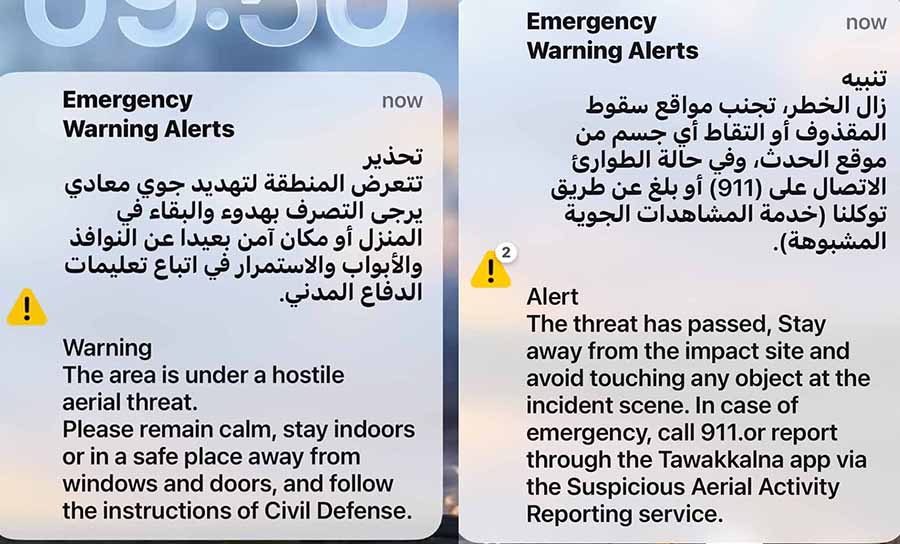
- King Khalid International Airport partially reopened on 25 October 2026.
- Terminal 1 handles domestic flights and Terminal 2 international flights by Saudi carriers.
- Terminal 3 remains closed due to damage.
- Houthi spokesperson warned the airport remains a military target.
- Travellers were advised to check flight status with airlines.
King Khalid International Airport in Riyadh has partially reopened with limited traffic at two terminals following a two-week suspension caused by a deadly Houthi attack on 10 October 2026 that killed 13 people. Terminal 1 handles domestic flights and Terminal 2 serves international services by Saudi carriers such as Saudia and Flynas. Terminal 3 remains entirely closed due to damage sustained during the initial strikes.
Flight tracking data from Flightradar24 confirmed heavily restricted traffic. While select international carriers like Air India and Emirates operated some flights, many international airlines continued to suspend operations to Riyadh. Houthi military spokesperson Yahya Saree issued renewed warnings declaring that the airport remains a military target. The reopening coincided with Saudi air defences intercepting a fresh wave of Houthi ballistic missiles and drones over the Riyadh region.
Travellers were strongly advised to check their flight status directly with their respective airlines before heading to the airport. The partial reopening follows a period of suspended operations. Major international airlines continued to suspend services into November.
The European Union Aviation Safety Agency (EASA) continues to advise EU air operators to avoid operating within a designated high-risk area of Saudi Arabian airspace that explicitly encompasses Riyadh’s King Khalid International Airport.
Yemini spokesman Yahya Saree shared “The airport remains a military target and will never be safe, and we urge travelers and airlines to avoid it.”