Three islands? Most of us grew up in the certainty that little Malta had two islands, one that rhymed, appropriately enough, with Fáilte and the other, Gozo, that sounded like a character from Star Wars.
There is another: Comino. Just visit it. Follow the Comino, if you like.
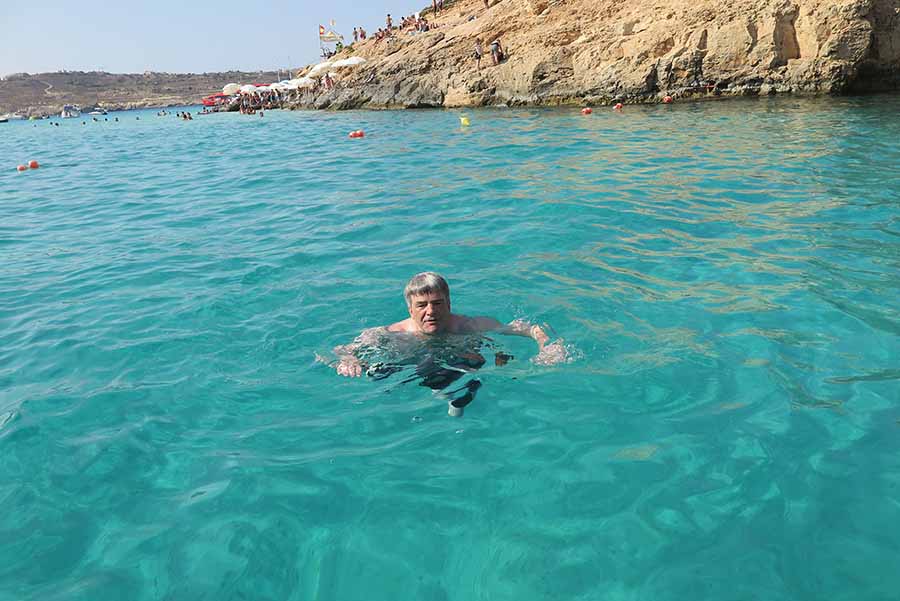
We sailed in to this Comino on a calm day, azure sea and blue sky in their perfect place and God in heaven, all of the Gods that smile on this island (there are many: Greek, African, Roman, and of course the Christian and Muslim angels).
The water was too inviting to avoid; you can slip in and swim and dive and sit back with a bubbling glass on the boat afterward, thinking how odd of Odysseus that he felt he had to move on.
For a small island, three islands with a total size one third that of county Dublin, we have found a lot of reasons to go to Malta. Weddings have a particular appeal in Ireland. There are 359 churches in Malta— not quite, as claimed, one for every day of the year— but even God might need a week off.
Gozo, where there are 46, is prettier, less crowded, and more traditional in every way, including religion. Secular venues include the Verdala Palace (Buskett), Castello Zamittello (Zabbar), and Fort Saint Angelo (Birgu), which provides a unique backdrop with stunning views of the Grand Harbour.
All of history stopped here, no doubt for lunch. The ubiquitous fortresses reflect the story of past battles between the Europeans and the Ottomans, in that peculiar yellow hue that gives a period movie effect to the landscape.
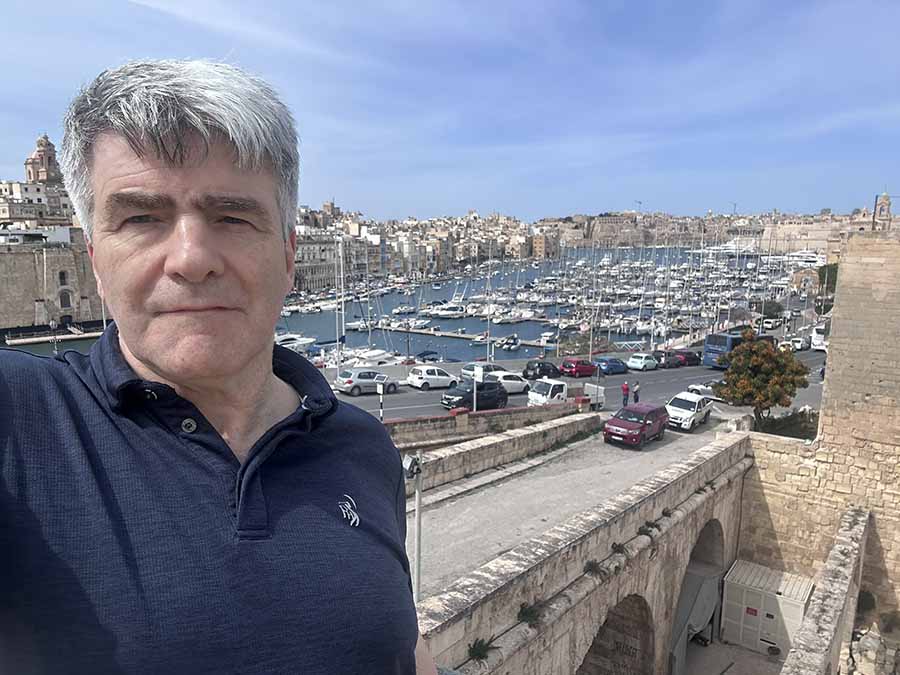
Valletta, the capital, is a UNESCO World Heritage site choc-ful of historical landmarks, including St. John’s Co-Cathedral, the Inquisitor’s Palace (Vittoriosa), and Caravaggio’s painting. First stop for every tourist is the waterfront and Barrakka Gardens. It gets crowded on cruise ship day, but no matter how often I do it, it feels like the first time.
This is followed, if you are lucky, by a dghajsa ride to the Three Cities: Birgu, Senglea, and Cospicua, rich in history, offering quaint streets and a storied waterfront. We toured in a beach buggy, offered by an operator called Rolling Geeks. Sit down and enjoy the ride. Further inland, the Mdina, known as the “Silent City,” offers the eponymous view of the landscape. Below is the soccer stadium where Ireland qualified for Italia ’90. Our Maltese guide was on the Irish team bus that day and remembers it well. “The day after the match, we wanted to cry into our beer, but there was none left after the Irish supporters had celebrated all night long.”
On Gozo the ancient megalithic temples at Ħaġar Qim and Mnajdra date back to 3600-2500 BC and come with an altar (we think; those that built it did not post online).
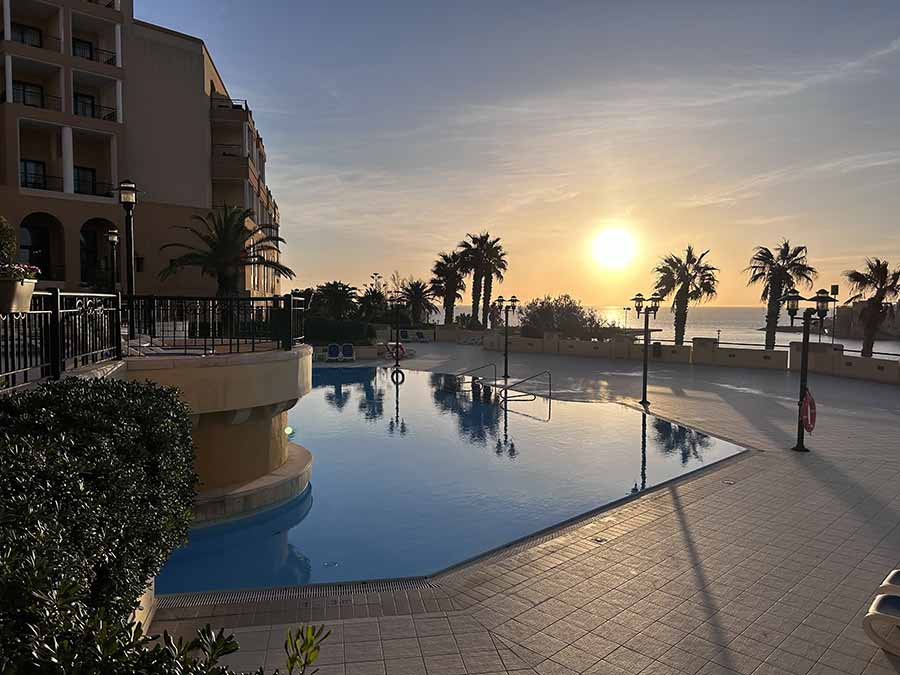
A day in Malta feels like a trip around the entire Mediterranean, Gibraltar to Istanbul to Alexandria to Carthage And back in time for dinner.
Familiar? Of course it is. You have seen it in movie after movie. Gladiator II and Napoleon are the latest blockbusters to hit our screens filled with Malta imagery. As you drive to the Gozo ferry, the Popeye building, in red, sits on one of the coastal hills. The whole place feels like a movie location, with Paul Mescal sitting at the next table, pulling a rabbit out of a hat.
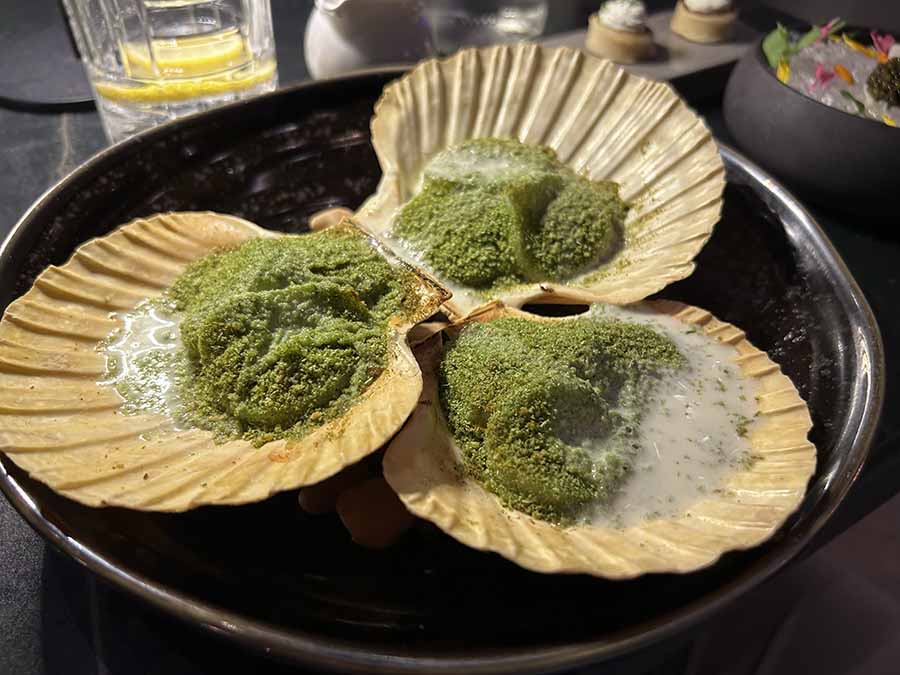
Surprisingly, rabbit is the national dish. Taste it with local herbs, broccoli with peanuts, and roast potatoes. The culinary adventure is not just another bunny hunt; try beef at Don Berto Restaurant, fish at Sole by Tarragon, soups, salads and creative light dishes at Il-Kartell, the taste-soaked view from Chophouse Restaurant on Tigné Point in Siklema, the ancient Medina Restaurant, and the traditional Mediterranean Wigi’s Kitchen Balluta Bay. Rosanne Sciberras explains: “We learned breakfast from the British, dinner from the French, and lunch from the Italians.”
The aftertaste, we found, is all Maltese.