Spain’s culinary scene in 2025 is a vibrant blend of tradition, innovation, and regional diversity, offering visitors a rich gastronomic experience. In 2025, Spain’s culinary scene offers visitors a dynamic mix of traditional flavors, Michelin-starred innovation, and sustainable dining, with Catalonia’s World Region of Gastronomy status and Madrid’s culinary capital title leading the charge.
New festivals, restaurants, and tech-driven experiences cater to food enthusiasts, while regional diversity ensures every palate is satisfied. By planning ahead and embracing lesser-known destinations, visitors can enjoy an unforgettable gastronomic journey while supporting Spain’s sustainable tourism efforts.
For the year 2025, both Madrid and Catalonia are vying for the title of Europe’s Culinary Capital. While Madrid has been voted the European gastronomic capital by Time Out, the International Institute of Gastronomy, Culture, Arts and Tourism (IGCAT) is promoting Catalonia as the World Region capital of Gastronomy.
Regional Culinary Diversity:
- Andalusia: Savor gazpacho, jamón ibérico, and fresh seafood in Cádiz or Jerez, paired with sherry from local bodegas. Seville’s tapas bars and traditional eateries in the Santa Cruz quarter offer authentic flavors.
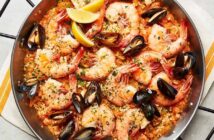
- Catalonia: Expect Mediterranean-inspired dishes like paella, calçots with romesco sauce, and innovative cuisine at Barcelona’s tapas bars. Catalonia’s designation as the World Region of Gastronomy 2025 highlights its culinary excellence.
- Basque Country: San Sebastián and Bilbao are renowned for pintxos (mini tapas) and experimental cuisine. Michelin-starred restaurants and traditional family-run eateries coexist, offering dishes like hake or txuleta steak.
- Madrid: The capital, named Europe’s Culinary Capital for 2025 by Time Out, blends historic taverns with cutting-edge dining. Expect diverse, experimental menus, from traditional cocido madrileño to avant-garde tapas.
- La Rioja: Explore centuries-old winemaking traditions with vineyard tours and tastings, complemented by local cheeses and hearty stews.
- Oviedo: As the Spanish Capital of Gastronomy 2024, Oviedo continues to shine in 2025 with cider culture and dishes like fabada (bean stew).
- Immersive Culinary Experiences:
- Tapas and Pintxos Tours: Guided tours in Madrid, Barcelona, and San Sebastián offer hands-on experiences, from market visits to tapas bar crawls.
- Cooking Classes: Learn to make paella, Iberian ham tastings, or regional specialties in cities like Pamplona or Seville.
- Wine and Sherry Tastings: Jerez’s bodegas (e.g., Osborne) and La Rioja’s wineries provide immersive tastings paired with tapas.
- Food Festivals: Events like the Seville Fair (May) feature local drinks like rebujito, while gastronomic festivals in Alicante showcase rice dishes and wines.
- Markets: Triana Mercado in Seville and La Boqueria in Barcelona offer vibrant settings to explore fresh produce, cheeses, and cured meats with local chefs.
Michelin-Starred Dining:
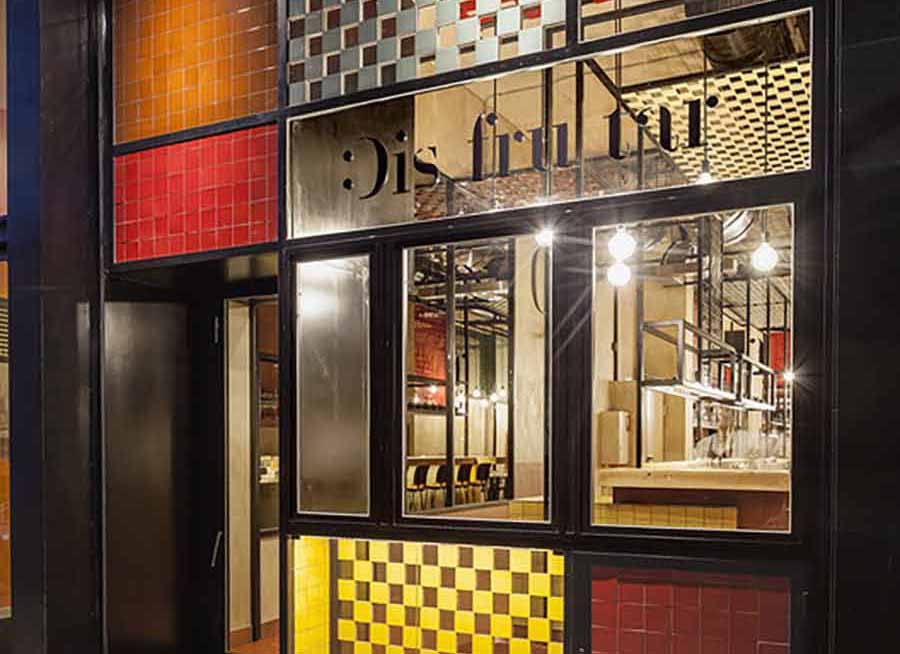
- Spain ranks among the top globally for Michelin-starred restaurants, with 15 establishments holding three stars in 2024. Standouts include Disfrutar in Barcelona for innovative Mediterranean cuisine and Noor in Córdoba for historical Andalusian flavors.
- New restaurants in Oviedo, Madrid, and San Sebastián have been recognized as top European newcomers in 2025, blending traditional and global influences like Japanese cuisine.
Sustainable and Local Focus:
- Spanish consumers prioritize freshness, taste, and local sourcing, with restaurants highlighting traditional production methods and eco-conscious practices.
- Farm-to-table dining and “better-for-you” options reflect growing health consciousness, with reduced fat and sugar in dishes without compromising flavor.
Culinary Tourism Boom:
- The foodservice market is projected to reach $166.79 billion in 2025, driven by tourism and demand for diverse cuisines, including Asian influences from growing visitor numbers from Japan, the Philippines, and South Korea.
- Standalone fine-dining restaurants in Madrid, Barcelona, and Marbella attract international visitors for their quality and ambiance.
NEW for 2025 Catalonia as World Region of Gastronomy:
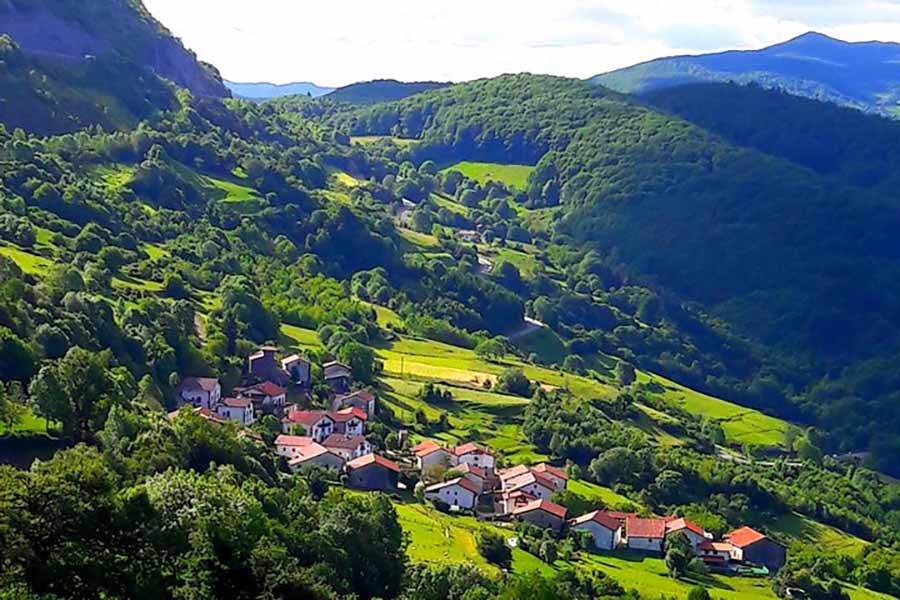
- Catalonia’s 2025 designation brings new culinary initiatives, including “A Stroll in the Pyrenees,” combining hiking with traditional Catalan cuisine like local meats, cheeses, and wines. Stays in rural boutique hotels enhance the slow tourism experience.
- Expect more curated trips blending outdoor activities with gastronomic tastings, emphasizing sustainability.
NEW for 2025: Michelin Stars and Restaurant Openings:
- The 2024 Michelin Guide highlighted new three-star restaurants, with trends continuing into 2025. Spanish restaurants, including those with Japanese influences, ranking among Europe’s best new openings. Madrid’s experimental dining scene is expanding, with new venues earning high praise for diversity. AI-driven analytics and mobile apps are enhancing dining experiences, from personalised restaurant recommendations to streamlined bookings.
- Vegan and plant-based innovations, like Calabizo’s pumpkin-based chorizo, are gaining traction, offering sustainable alternatives to traditional dishes.
- New food-focused events in Oviedo, Madrid, and San Sebastián highlight cider, Michelin-starred menus, and pintxos culture.
- Restaurants are adopting carbon-neutral practices and waste reduction efforts, aligning with Spain’s push for eco-friendly tourism.
- Local businesses emphasize farm-to-table dining, with menus showcasing regional ingredients to meet consumer demand for authenticity.
Tips for Visitors
- Reservations: Popular cities like Barcelona and Madrid are crowded, so book restaurants in advance, especially for Michelin-starred venues.
- Tipping: Tipping is not customary, but a 5-10% tip is appreciated if no service charge is included. Be aware of potential “terraza fees” for outdoor seating.
- Timing: Spring (April-May) and fall (September-October) are ideal for culinary tours due to mild weather and fewer crowds.
- Sustainability: Opt for eco-conscious dining experiences, such as farm-to-table restaurants or tours emphasizing local sourcing.
- Crowd Management: Consider day trips to lesser-known gastronomic hubs for a relaxed experience with fewer tourists.
See https://www.spain.info/en/ for more information.