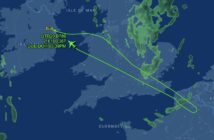
As in major disruptions to travel, airlines have responsibility to get passengers to where they are supposed to go as expediently as possibly as the Middle East conflict closes the major airports of Abu Dhabi, Doha and Dubai for the first time.
Anything more complicated, covering hotel or car hire expenses, requires insurance with flight disruption cover, which is an extra, BUT there is a big get-out clause for insurance companies if it is deemed an act of war.
Most travel insurance policies explicitly list “war” (declared or undeclared), “hostilities,” and “insurrection” as events they will never cover.
An “act of war” clause in travel insurance is a standard exclusion that allows insurers to deny claims for losses caused by armed conflict, invasion, or military power.
It typically applies to trip cancellations, interruptions, and property damage. Some policies also exclude medical claims if the injury resulted from an act of war.
Insurers often deny claims if you travel to a region where a conflict was already “foreseeable” or a “known peril” before you purchased the policy.
Many policies distinguish between the two. While war is almost always excluded, some policies offer limited coverage for acts of terrorism, provided the event meets specific government-defined criteria.
- Common excluded events include:
- Invasion or act of foreign enemy.
- Civil war, rebellion, or revolution.
- Military or usurped power.
An optional upgrade to Cancel For Any Reason (CFAR) insurance is often the only way to get reimbursed (usually 50pc–75pc) if you want to cancel due to fear of war or a new conflict. ypically increases the base travel insurance premium by 40pc to 50pc.