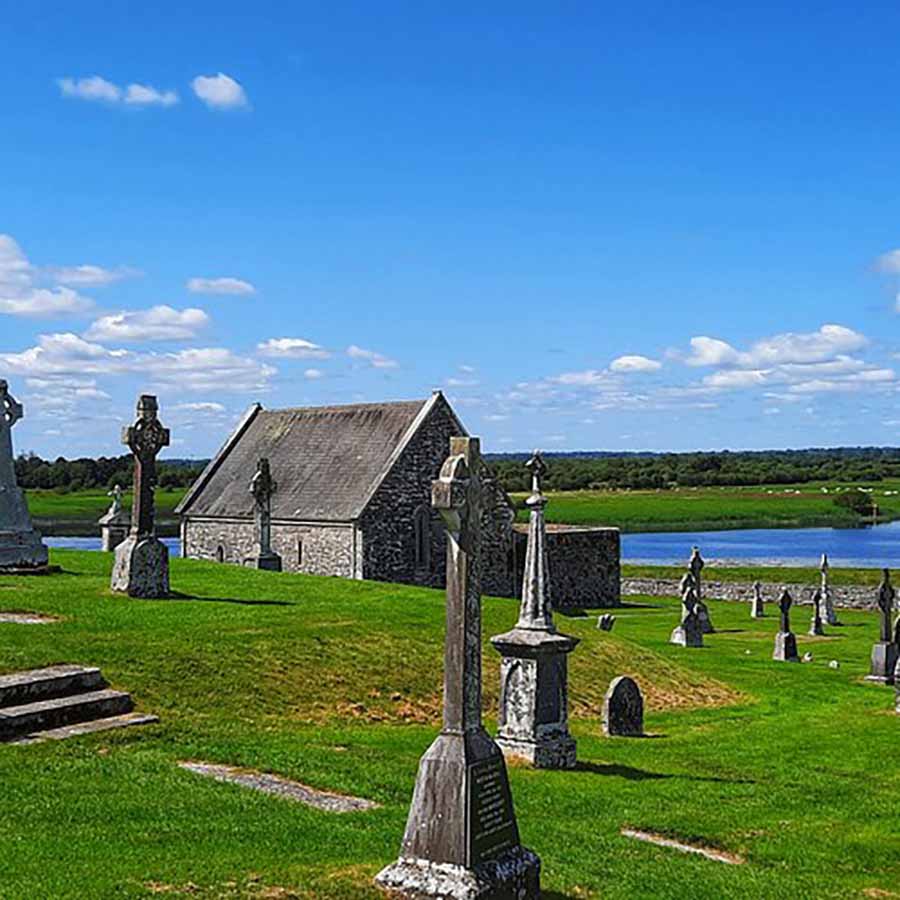
- River Shannon (Banagher): The River Shannon, Ireland’s longest river, flows through Banagher, where local swimmers use accessible spots near the marina or grassy banks for wild swimming. It’s a popular area for water activities, including boating and fishing, but also attracts swimmers seeking a freshwater dip. A wide, serene river with lush banks, views of Banagher’s historic bridge, and surrounding countryside, offering a tranquil, natural setting. Gentle currents in shallow areas (10–15°C) suit cautious swimmers, while deeper sections near the marina are better for experienced swimmers. Entry is via grassy banks or small jetties, but swim shoes are recommended for muddy or rocky riverbeds. Parking near Banagher Marina, but no lifeguards or changing rooms. Banagher town offers cafés like The Vine House for post-swim refreshments. Water quality is rated moderate (EPA, 2024), not tested for bathing. Avoid swimming after heavy rain due to runoff risks. Swim with a companion, use a tow float for visibility, and stay clear of boat traffic.
- Grand Canal (Tullamore): The Grand Canal near Tullamore provides a calm, slow-moving waterway for wild swimming, particularly around the lock areas or quieter stretches with grassy banks. It’s less known but used by locals for its accessibility and peaceful setting. A tree-lined canal with flat, green surroundings and occasional lock houses, creating a serene, almost secluded atmosphere ideal for a quiet swim. Shallow, still waters (10–15°C) are beginner-friendly, with easy entry via grassy banks or steps near locks. The canal’s narrow width suits short swims, but weeds may be present, so check conditions. Parking in Tullamore town, but no lifeguards or dedicated amenities. Nearby cafés like The Brew House offer post-swim warmth. The canal is accessible by foot or bike from Tullamore. Water quality is not tested for swimming (EPA rates canals as moderate). Avoid boat traffic, swim with a companion, and use a tow float. Check for debris or algae.
- Lough Boora (Boora Discovery Park): Lough Boora, within Boora Discovery Park near Kilcormac, is a small lake in a reclaimed bogland, known for its ecological significance and recreational use. While primarily used for walking and cycling, locals occasionally swim in quieter corners of the lake. A unique, open landscape with bogland views, sculptures, and wildlife like birds and dragonflies, offering a peaceful, offbeat swimming experience. Cold, clear waters (10–15°C) with peaty undertones, best for cautious swimmers in shallow areas near the shore. Deeper sections suit confident swimmers. Entry is via grassy or pebbly edges, requiring swim shoes. Parking, toilets, and a café at Boora Discovery Park, but no lifeguards. Kilcormac town, a short drive away, has pubs like The Village Tavern. Water quality is not tested for swimming (EPA, 2024). Swim with a companion, use a tow float, and check for algae or soft lakebeds. Avoid disturbing the park’s sensitive ecosystem.
Offaly’s wild swimming spots are not designated bathing areas, so water quality isn’t monitored for swimming. Check EPA updates (www.beaches.ie) (www.beaches.ie) and avoid swimming after heavy rain due to runoff risks. Never swim alone, check for currents (especially in the Shannon), and be aware of cold-water risks (hypothermia). Wetsuits, swim shoes, and warm post-swim clothing are essential. Follow Water Safety Ireland guidelines.
As a landlocked county, Offaly’s swimming is limited to rivers, canals, and small lakes. The River Shannon and Grand Canal are the most accessible, while Lough Boora is a niche option. No major lakes rival those in Leitrim or Fermanagh, and rivers like the Brosna are less noted for swimming due to currents or access issues. Bring a tow float for visibility, particularly in the Shannon’s busier waters. Towns like Banagher, Tullamore, and Kilcormac offer cafés and pubs for post-swim comfort. Check wildswim.ie for local tips or group swims. Offaly’s wild swimming community is small, with no major events like those in Fermanagh (e.g., Lough Erne Swim). Local triathlon clubs, such as Midland Triathlon Club in Tullamore, may organise swims. Check X or wildswim.ie for community updates. Offaly’s waterways, especially Lough Boora, are ecologically sensitive. Follow Leave No Trace principles to protect wildlife (e.g., birds, otters) and avoid littering.
County Offaly:
Ireland’s county Offaly is a county of historic depth and natural beauty, with the Clonmacnoise monastic site featuring ancient high crosses and a riverside setting along the Shannon. Tullamore’s historic distillery provides insights into Irish whiskey production, while the Bog of Allen Nature Centre explores the county’s unique peatlands. Other attractions include the Slieve Bloom Mountains’ hiking trails. Offaly is Ireland’s 18th largest county by size (1,998 square km) and ninth smallest by population (83,150). Population peaked at 146,857 in 1841 and reached its lowest point, 51,533 in 1961. In terms of hospitality, Offaly is Ireland’s 30th most visited (and third least visited) tourist county with around 37,000 international visitors per year.
Introduction – Adventure – Anthem – Archaeology – Attractions – Awards – Birdwatching – Camping – Castles – Churches – Contact list – Cycling – Dining – Equestrian – Festivals – Fishing – Folklore – Gardens – Golf – Graveyards – Happening – Haunted – Highest – Hiking – History – Holy Wells – Hotels – Hotels8 – Instagrammable – Itineraries – Largest town – Luxury – MICE – Movies – Musicians – Name – New – Novelists – Off the beaten track – Poets – Pubs – Quotes – Random Facts – Restaurant Awards – Sacred Places – Saints – Spas – Sports – Sunsets– Sustainable – Things to do – Towns – Video – Villages – Walking – Wanderlist – Weddings – Wild swimming – Writers – 1837 – 1846 – 1852 – 1909 – 1955 – 1980 –
Wild swimming
Antrim – Armagh – Carlow – Cavan – Clare – Cork – Derry – Donegal – Down – Dublin – Fermanagh – Galway – Kerry – Kildare – Kilkenny – Laois – Leitrim – Limerick – Longford – Louth – Mayo – Meath – Monaghan – Offaly – Roscommon – Sligo – Tipperary – Tyrone – Waterford – Westmeath – Wexford – Wicklow