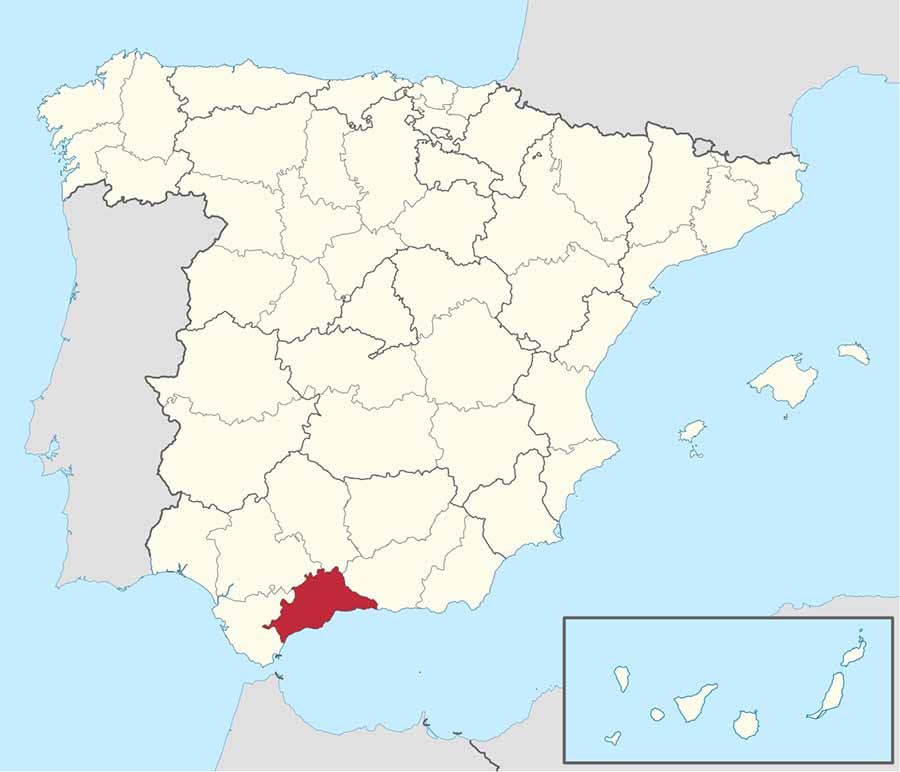
Conservation efforts in Málaga’s natural spaces offer engaging experiences. The Sierra de las Nieves, a UNESCO Biosphere Reserve, provides guided walking tours and wildlife spotting opportunities. Local guides share knowledge about the area’s ecosystems, promoting respect for its biodiversity.
Cultural exploration is sustainable through community-led walking tours in Málaga’s historic centre. These tours focus on local history and art, supporting small businesses and preserving the region’s identity. Visitors can wander through streets lined with Moorish architecture with minimal environmental impact.
Dining sustainably is a delight in Málaga, with restaurants embracing farm-to-table principles. Eateries in Marbella serve dishes made with local fish and organic produce, keeping food miles low. Markets like Atarazanas allow travellers to buy directly from producers, strengthening community ties.
Eco-friendly water activities, such as kayaking along the Costa del Sol, offer low-impact ways to enjoy Málaga’s coastline. Operators like Málaga Adventures use non-motorised equipment to protect marine ecosystems, allowing visitors to explore coves and spot marine life.
Cycling is a favoured way to experience Málaga’s landscapes. Guided bike tours, such as those run by local operators like Bike Tours Málaga, take travellers through coastal paths and rural trails near Ronda. These low-carbon routes support local businesses and showcase the region’s scenic charm.
Sustainable accommodation options flourish in Málaga. Eco-friendly hotels and rural guesthouses, certified by programmes like Green Key, use solar power and water-saving technologies. Properties like La Viñuela Hotel incorporate renewable energy and serve organic meals sourced from nearby farms, boosting the local economy.
Organic farming experiences connect visitors with Málaga’s agricultural roots. Through initiatives like WWOOF Spain, travellers can volunteer at farms growing olives or avocados, learning about sustainable practices. These hands-on activities foster ties to the region’s rural traditions.
Málaga’s commitment to renewable energy is evident in its solar farms around Antequera. Educational tours at these facilities explain how clean energy supports the region. Visitors gain insights into Spain’s renewable energy efforts while enjoying views of the surrounding countryside.
Public transport makes exploring Málaga eco-friendly. The region’s train and bus networks connect Málaga city with towns like Nerja, reducing car use. Electric bike hire schemes in Málaga city encourage green exploration of urban areas and coastal promenades.
Spain region by region
Almería – Andalusia – Aragón – Asturias – Basque Country – Cádiz – Cantabria – Catalonia – Córdoba – Extremadura – Fuerteventura – Galicia – Gran Canaria – Granada – Huelva – Ibiza – Jaén – La Mancha – La Rioja – Lanzarote – León – Madrid – Majorca – Málaga – Menorca – Murcia – Navarra – Seville – Tenerife – Valencia –