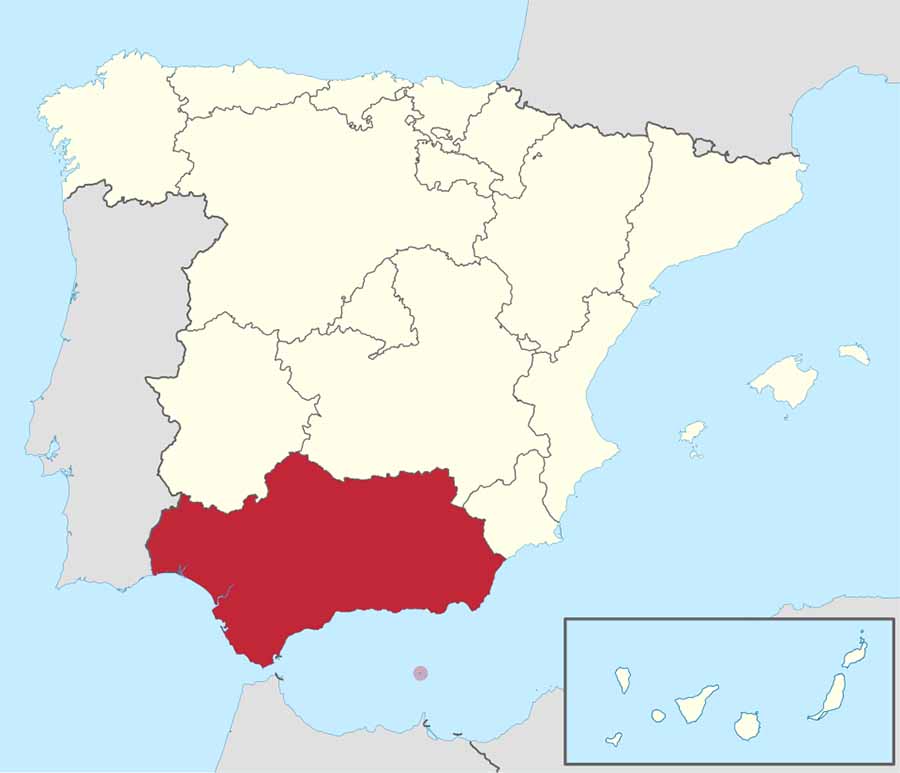
In the region of Andalusia, Spain, gastronomy tourism flourishes, offering visitors a chance to savour authentic flavours and explore inviting facilities. This southern region, with its rich history and diverse landscapes, provides a warm backdrop for food lovers seeking to experience its culinary traditions and cultural attractions.
Andalusia’s cuisine is a celebration of fresh ingredients and time-honoured recipes. Coastal areas like Málaga and Cádiz serve up seafood, with dishes such as espeto, sardines skewered and grilled over open fires on the beach. Inland, the fertile plains of Seville and Córdoba produce olive oils, used generously in local cooking. Visitors can enjoy tapas in traditional bars, where small plates of patatas bravas, croquetas, or jamón ibérico are paired with a glass of sherry from Jerez. These sharing dishes, often served in lively tavernas, offer a taste of Andalusian hospitality.
The region’s markets are a draw for those keen to explore local produce. Granada’s Alcaicería, once a silk bazaar, now hosts stalls brimming with spices, cheeses, and cured meats. In Seville, the Mercado de Triana offers fresh fruits, olives, and artisan breads, reflecting the region’s agricultural heritage. For a hands-on experience, cooking classes in towns like Ronda teach visitors to prepare dishes such as gazpacho or oxtail stew, blending Moorish and Spanish influences.
Wine tourism is another attraction, with Andalusia’s vineyards producing distinctive sherries, malagas, and robust reds. Wineries in the Montilla-Moriles region welcome guests for tours, tastings, and pairings with local almonds or cheeses. The rolling hills of the Sierra de Grazalema provide a scenic setting for these visits, often combined with walks through whitewashed villages like Arcos de la Frontera, where traditional bakeries offer pestiños, honey-dipped pastries.
Andalusia’s cultural sites complement its culinary offerings. Granada’s Alhambra, a stunning Moorish palace, reflects the region’s Arab past, which influences dishes like lamb tagine. In Córdoba, the Mezquita’s arches inspire awe, while nearby restaurants serve salmorejo, a chilled tomato soup. Seville’s cathedral and Alcázar are matched by bustling plazas where visitors can enjoy flamenquín, a breaded pork roll. These landmarks provide a historical context for the region’s food culture.
Accommodation options cater to all tastes, from boutique hotels in Málaga’s historic centre to rural casas in the Alpujarras. Many offer gastronomic packages, including vineyard tours or visits to olive groves. Coastal resorts along the Costa del Sol provide beachfront dining, with menus featuring fresh anchovies or monkfish. For a quieter experience, the villages of Jaén offer rustic guesthouses and meals showcasing the province’s olive oil production.
Andalusia’s commitment to sustainable tourism shines through in its farm-to-table restaurants and organic markets. Producers work to preserve traditional methods while embracing modern techniques, ensuring authentic experiences for visitors.
Spain region by region
Almería – Andalusia – Aragón – Asturias – Basque Country – Cádiz – Cantabria – Catalonia – Córdoba – Extremadura – Fuerteventura – Galicia – Gran Canaria – Granada – Huelva – Ibiza – Jaén – La Mancha – La Rioja – Lanzarote – León – Madrid – Majorca – Málaga – Menorca – Murcia – Navarra – Seville – Tenerife – Valencia –