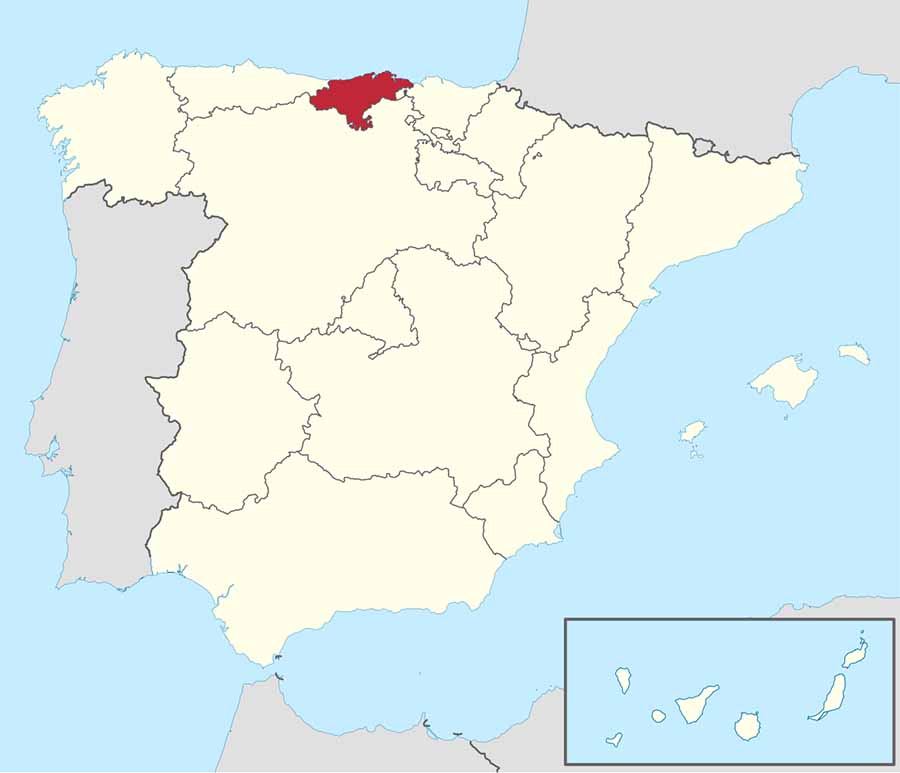
In the lush, coastal region of Cantabria, Spain, gastronomy tourism offers a delightful blend of hearty cuisine and inviting facilities. This northern gem, with its green mountains and sandy beaches, welcomes visitors to explore its rich food culture and cultural attractions in a warm, approachable setting.
Cantabria’s cuisine draws from its fertile lands and Cantabrian Sea. Coastal towns like Santander and San Vicente de la Barquera serve fresh seafood, with dishes featuring anchovies, hake, and spider crab. Inland, the region’s valleys produce cocido montañés, a robust stew of white beans, pork, and cabbage, often enjoyed in rustic eateries. Tapas bars in Santander’s historic centre offer small plates of rabas, crispy fried squid, paired with a glass of local cider. These shared bites create a friendly, communal dining experience.
Local markets showcase Cantabria’s fresh produce. Santander’s Mercado de la Esperanza brims with cheeses like queso de nata, a creamy local variety, alongside cured sausages and honey. In Potes, markets in the Liébana Valley feature orujo, a potent grape spirit, and sobaos pasiegos, buttery sponge cakes. Cooking classes in villages like Comillas teach visitors to prepare sorropotún, a tuna stew, blending coastal traditions with hands-on learning.
Cider and wine add to Cantabria’s gastronomic appeal. Cider houses in towns like Villacarriedo pour crisp, slightly tart sidra, often served with local cheeses or grilled chorizo. The region’s small but growing wine scene, particularly in the Costa de Cantabria, offers light reds and whites, with vineyards welcoming guests for tastings set against scenic hills. The Picos de Europa mountains provide a stunning backdrop for picnics featuring regional specialities like venison or wild boar.
Cantabria’s cultural landmarks enrich its culinary offerings. Santander’s Magdalena Palace, with its seaside views, complements nearby restaurants serving marmita, a fish and potato stew. In Santillana del Mar, a well-preserved medieval village, eateries offer quesucos, small cheeses from the Liébana region. The Altamira Museum, showcasing prehistoric art, pairs with dining spots featuring game meats, reflecting the region’s ancient ties to the land. These sites weave history into the food culture.
Accommodation ranges from cosy guesthouses in mountain villages like Bárcena Mayor to modern hotels along Santander’s waterfront. Many offer gastronomic packages, including cider tastings or visits to dairy farms. Coastal chiringuitos in Laredo serve grilled sardines and clams, perfect for beachside dining. Cantabria’s focus on sustainability shines through in its organic markets and farm-to-table restaurants, ensuring authentic flavours for visitors.
Spain region by region
Almería – Andalusia – Aragón – Asturias – Basque Country – Cádiz – Cantabria – Catalonia – Córdoba – Extremadura – Fuerteventura – Galicia – Gran Canaria – Granada – Huelva – Ibiza – Jaén – La Mancha – La Rioja – Lanzarote – León – Madrid – Majorca – Málaga – Menorca – Murcia – Navarra – Seville – Tenerife – Valencia –