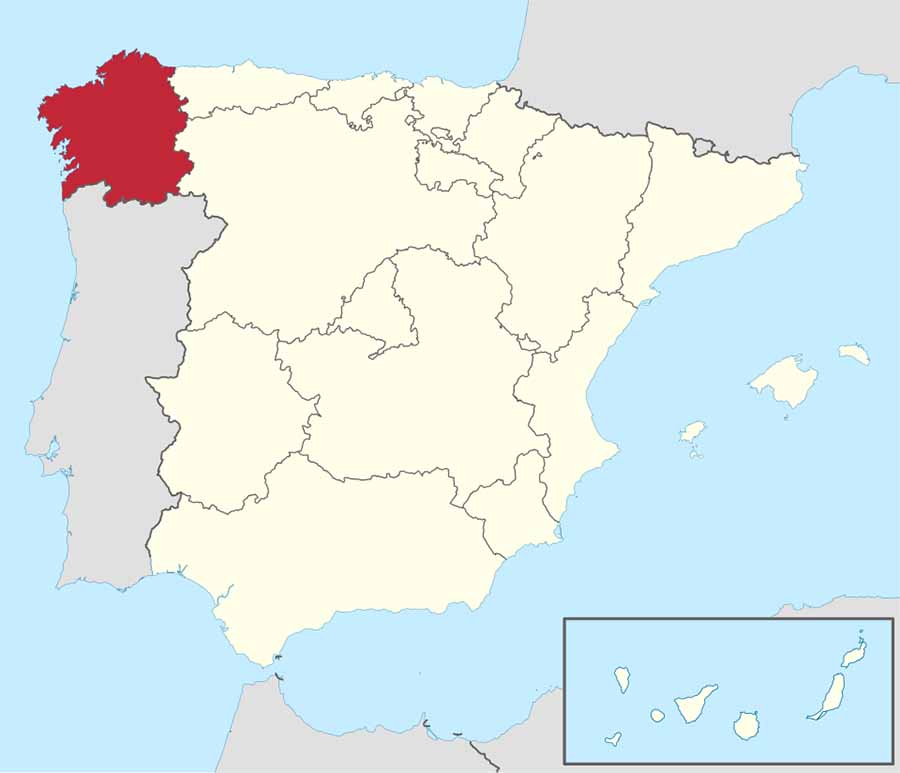
Galicia’s Culinary Charm Invites Food Lovers In the lush northwest corner of Spain, Galicia offers a delightful array of gastronomy tourism opportunities, drawing visitors with its fresh seafood, hearty dishes, and rich culinary traditions. The region’s cuisine, shaped by its Atlantic coastline and fertile lands, celebrates high-quality ingredients prepared with simplicity and care.
From bustling food markets to charming restaurants, Galicia provides a welcoming setting for travellers eager to explore its authentic flavours. Seafood is the heart of Galician cuisine, with dishes like pulpo a la gallega, tender octopus sliced and seasoned with paprika, olive oil, and sea salt, served atop boiled potatoes.
Coastal towns such as Vigo and A Coruña boast marisquerías offering mariscadas, generous platters of lobster, crab, mussels, and goose barnacles, showcasing the region’s bountiful waters. Pimientos de Padrón, small green peppers fried and sprinkled with sea salt, add a playful element to meals, with some packing an unexpected kick.
For meat lovers, Ternera Gallega, tender veal from local Rubia Gallega cattle, is grilled to perfection, while empanadas, filled with tuna, cod, or chorizo, offer a portable taste of Galicia’s culinary heritage. Desserts like Tarta de Santiago, a moist almond cake dusted with powdered sugar and marked with the cross of St. James, provide a sweet finish, especially in Santiago de Compostela’s historic bakeries.
Food enthusiasts can engage with Galicia’s culinary scene through hands-on experiences. Cooking classes in cities like Pontevedra and Ourense teach visitors how to prepare traditional dishes, from octopus to filloas, delicate crepes enjoyed with sweet fillings. The Mercado de Abastos in Santiago de Compostela is a lively hub where travellers can purchase fresh produce and have it cooked on-site, offering a direct connection to local ingredients.
A Coruña’s food markets, such as Praza de Lugo, brim with regional cheeses like Tetilla and Arzúa-Ulloa, alongside seasonal vegetables and artisanal breads like Pan Gallego, known for its crusty exterior and soft crumb. For those seeking unique experiences, shellfish harvesting classes in places like A Toxa island or mussel-tasting catamaran trips in O Grove provide a chance to connect with Galicia’s maritime traditions.
Galicia’s tourism infrastructure makes exploring its food culture seamless. The region’s three international airports, Santiago de Compostela, A Coruña, and Vigo, offer easy access, with Santiago serving as the primary hub. A range of accommodations, from family-run guesthouses to larger hotels like those operated by Eurostars and NH Collection, cater to different budgets, with many offering all-inclusive options.
Public transport, including buses and trains, connects key culinary destinations, while car rentals allow flexibility to visit rural eateries or coastal taverns. In Vigo, the oyster bars of A Pedra are a must-visit, serving fresh shellfish alongside crisp Albariño wine, a regional speciality. Restaurants in Santiago de Compostela, such as Casa Marcelo or A Tafona, blend traditional recipes with modern flair, while Pontevedra’s Casa Solla offers refined dining rooted in local ingredients.
The region’s natural beauty enhances its culinary appeal, with dining often set against a backdrop of rugged cliffs or green hills.
Spain region by region
Almería – Andalusia – Aragón – Asturias – Basque Country – Cádiz – Cantabria – Catalonia – Córdoba – Extremadura – Fuerteventura – Galicia – Gran Canaria – Granada – Huelva – Ibiza – Jaén – La Mancha – La Rioja – Lanzarote – León – Madrid – Majorca – Málaga – Menorca – Murcia – Navarra – Seville – Tenerife – Valencia –