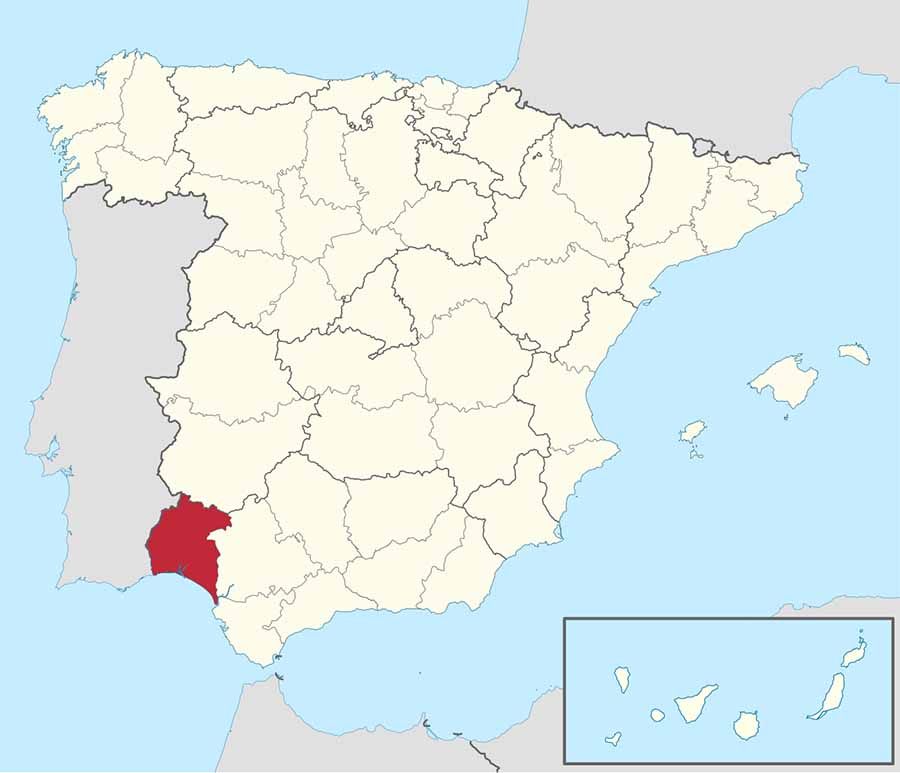
In the sunny southwest of Spain, Huelva offers a delightful range of gastronomy tourism opportunities, blending the rich flavours of Andalusia with the bounty of its Atlantic coast. The region’s cuisine, shaped by its fertile lands and thriving fishing ports, celebrates fresh ingredients and traditional recipes.
From bustling tapas bars to coastal eateries, Huelva provides a warm invitation for food lovers to explore its authentic tastes. Huelva’s culinary identity is anchored in its seafood, with dishes like gambas blancas, sweet white prawns from the Gulf of Cádiz, served grilled or boiled with a sprinkle of sea salt. Coquinas, tiny clams cooked in garlic and white wine, are a favourite in beachside restaurants in Punta Umbría.
The region’s jamón ibérico, particularly from Jabugo in the Sierra de Aracena, is renowned for its rich, nutty flavour, often enjoyed thinly sliced with a glass of local Condado de Huelva wine. Hearty dishes like habichuelas con poleo, a mint-infused bean stew, reflect the rustic charm of Huelva’s inland villages. For dessert, poleás, a creamy pudding made with anise and lemon zest, offers a sweet taste of tradition, especially in family-run establishments in Huelva city.
Food enthusiasts can connect with Huelva’s culinary heritage through hands-on experiences. Cooking classes in places like Almonte teach visitors to prepare regional dishes, from choco frito (fried cuttlefish) to mojama, salt-cured tuna. The Mercado del Carmen in Huelva city brims with fresh produce, local cheeses, and cured meats, providing a chance to engage with vendors and sample regional specialties.
Tours of ham-curing facilities in Jabugo or strawberry farms in Palos de la Frontera offer insight into Huelva’s artisanal production, often paired with tastings of acorn-fed ham or sweet fresón strawberries. Coastal towns like Isla Cristina provide opportunities to join fishing excursions, where travellers can learn about the region’s seafood traditions. Huelva’s tourism infrastructure makes exploring its food culture straightforward.
The region is accessible via Seville’s international airport, a short drive away, or by train to Huelva’s central station. Accommodations range from charming rural guesthouses in the Sierra de Aracena to beachfront hotels in Mazagón, with many offering all-inclusive options.
Reliable bus services and car rentals allow easy access to culinary hotspots, from the seafood restaurants of El Rompido to the tapas bars of Huelva’s Calle Vázquez López. In the Doñana area, small eateries serve game dishes like venison stew, showcasing the region’s natural larder. The diverse landscapes of Huelva, from sandy beaches to rolling hills, create inviting dining settings.
Spain region by region
Almería – Andalusia – Aragón – Asturias – Basque Country – Cádiz – Cantabria – Catalonia – Córdoba – Extremadura – Fuerteventura – Galicia – Gran Canaria – Granada – Huelva – Ibiza – Jaén – La Mancha – La Rioja – Lanzarote – León – Madrid – Majorca – Málaga – Menorca – Murcia – Navarra – Seville – Tenerife – Valencia –