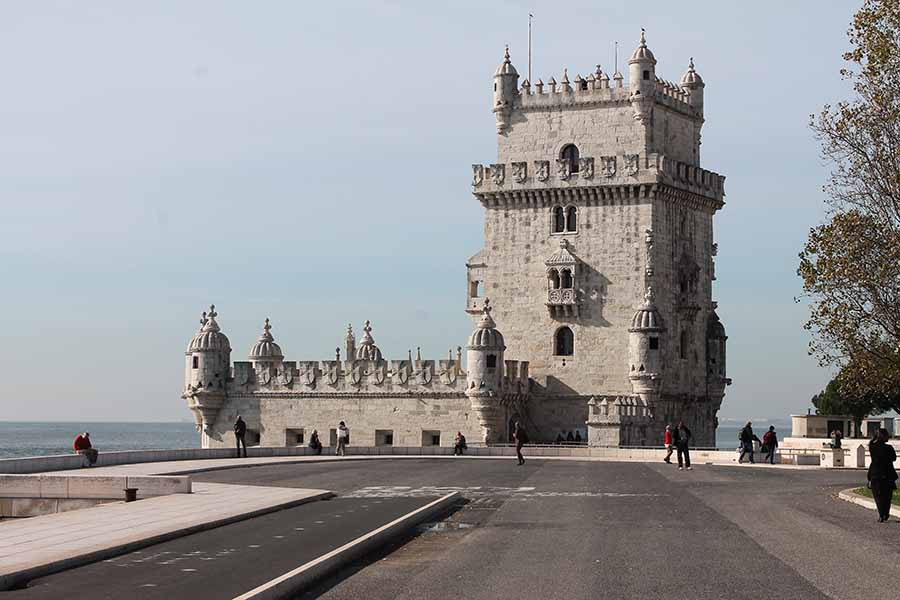
Portugal’s capital region, Lisboa, offers travellers a chance to explore its rich history, stunning landscapes, and cultural treasures while prioritising sustainability. From eco-friendly accommodations to low-carbon transport and locally focused experiences, Lisboa provides a model for responsible tourism that respects both the environment and local communities.
Getting around Lisboa sustainably is straightforward. The city’s efficient public transport system, including the metro, buses, and iconic Tram 28, makes car-free exploration accessible. For those who prefer an active approach, Lisboa Autentずつica offers e-bike rentals for navigating the city’s seven hills or venturing to nearby areas like Sintra and Cascais. These electric bikes reduce emissions while allowing visitors to enjoy scenic routes along the Tejo River or coastal paths.
Accommodations in Lisboa cater to eco-conscious travellers. Impact House, a Green Key-certified eco-hostel, accommodates up to 41 guests and focuses on circular economy principles. It features solar-heated water, composting initiatives, and locally sourced meals at its restaurant. Similarly, Neya Lisboa Eco Hotel, located near Marques de Pombal Square, promotes sustainability with energy-efficient appliances, plastic-free policies, and complimentary bicycles for guests. These properties ensure a comfortable stay while minimising environmental impact.
For dining, Lisboa’s culinary scene supports sustainable practices. Restaurants like The Food Temple, the city’s oldest vegan eatery, offer daily-changing menus using organic, local ingredients. At 1300 Taberna in the creative LX Factory district, chefs prioritise seasonal produce from small farmers, delivering contemporary Portuguese dishes with a low carbon footprint. Visitors can also explore local markets like Feira da Ladra, a flea market where second-hand goods and artisanal products support circular economies.
Activities in Lisboa blend sustainability with cultural engagement. Lisbon Sustainable Tourism, a non-profit, offers walking tours that showcase lesser-known neighbourhoods like Mouraria and Alfama. These tours, led by local guides, support community projects and provide insights into Lisboa’s heritage. For nature lovers, kayaking on the Tejo River with eco-certified operators allows exploration of the city’s waterfront without environmental harm. Nearby, the Sintra-Cascais Natural Park offers hiking trails where guided tours by Portugal Walk Hike ensure respect for protected ecosystems.
Travellers seeking unique experiences can engage with initiatives like ImpacTrip, which combines tourism with volunteering opportunities, such as beach clean-ups with Brigada do Mar. These activities promote conservation while fostering connections with local communities. Additionally, staying in locally owned guesthouses or Airbnb properties in less tourist-heavy areas like Estrela or Principe Real supports residents and reduces the strain of overtourism.
Lisboa’s commitment to sustainability extends to its infrastructure. Many accommodations provide filtered water stations, encouraging the use of reusable bottles, as the region’s tap water is safe and high-quality. Recycling facilities are widely available, and visitors are encouraged to stay on marked trails in natural areas to protect local wildlife.
By choosing eco-friendly transport, accommodations, and activities, travellers can enjoy Lisboa’s charm while contributing to its preservation. Whether wandering historic streets, savouring local cuisine, or exploring natural wonders, Lisboa offers a sustainable tourism experience that leaves a positive mark.
Portugal region by region
Açores – Alentejo – Algarve – Centro de Portugal – Lisboa – Madeira – Oeste e Vale do Tejo – Península de Setúbal – Porto e Norte
Spain region by region
Almería – Andalusia – Aragón – Asturias – Basque Country – Cádiz – Cantabria – Catalonia – Córdoba – Extremadura – Fuerteventura – Galicia – Gran Canaria – Granada – Huelva – Ibiza – Jaén – La Mancha – La Rioja – Lanzarote – León – Madrid – Majorca – Málaga – Menorca – Murcia – Navarra – Seville – Tenerife – Valencia –