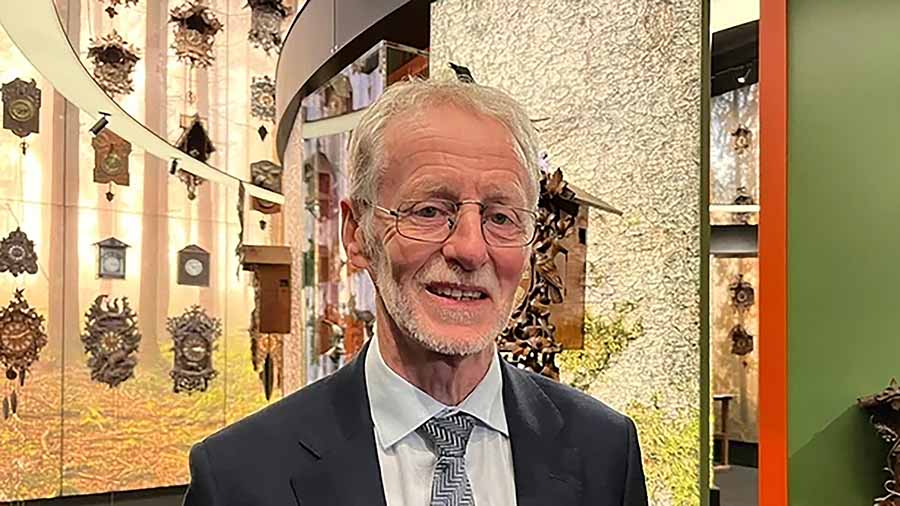
- The Irish Museum of Time has opened a new permanent exhibition of 400 cuckoo clocks.
- David Boles acquired the collection from Maz and Roman Piekarski after they closed their private museum near Manchester.
- Project teams spent two and a half years preparing the clocks for display in a restored nineteenth century building.
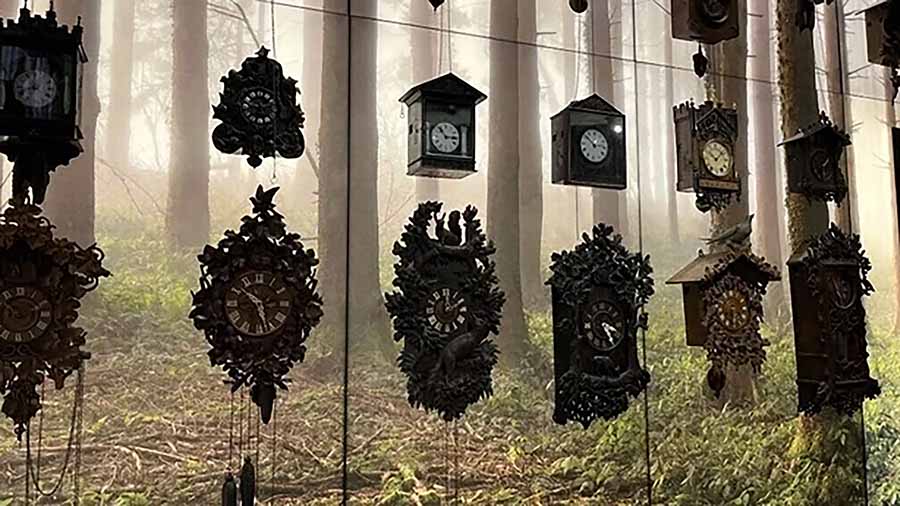
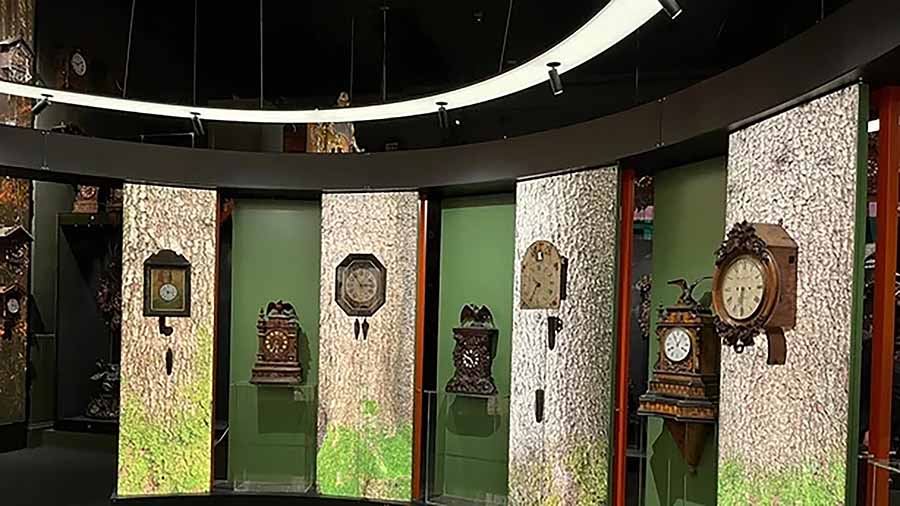
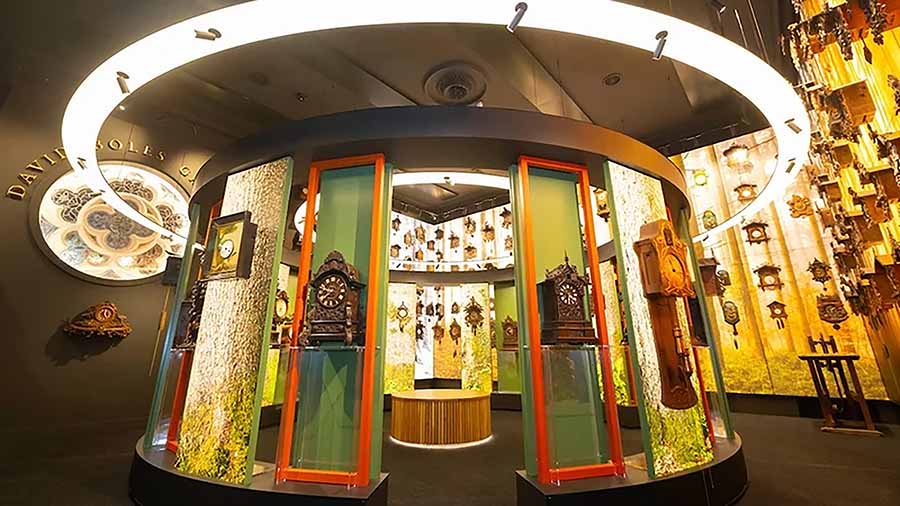
- The exhibition wing recreates the Black Forest environment with backlit walls and sound effects.
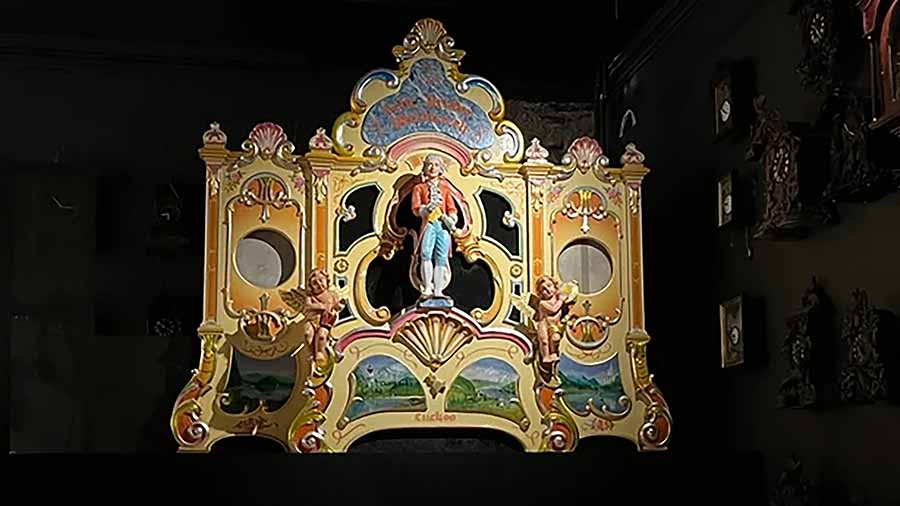
- Selected clocks chime on the hour and quarter hour while a restored fairground organ forms part of the collection.
The Irish Museum of Time has added a new gallery dedicated to cuckoo clocks as part of its expansion in Waterford. The collection of more than four hundred timepieces arrived after two and a half years of preparation by David Boles, Colman Curran and Eamonn McEneaney. The clocks originated from the Black Forest region in Germany where clockmaking developed in the eighteenth century among farming families during winter months.
The exhibition includes restored pieces such as a fairground organ cuckoo clock along with one day two day and eight day models and various striking mechanisms. The new wing features backlit walls designed to evoke the Black Forest environment with sensory elements including leaf rustle sounds and cuckoo calls. Colman Curran who has collected clocks for forty five years described the approach as a deliberate shift from the more formal style of the main museum.
The Irish Museum of Time first opened in June 2021 within the Viking Triangle as part of the Waterford Treasures group. Minister of State John Cummins officially opened the cuckoo clock exhibition yesterday on the wekenkdn, appropriately, that the clocks go forward. The addition strengthens the museum s position as a cultural attraction that covers Irish clocks and watches including those from the six counties of the North.
The display occupies a specially designed wing in a restored nineteenth century building known as Central Hall in Waterford City. Many of the timepieces date from the nineteenth century and include one day two day and eight day models along with wall clocks table clocks automaton pieces quarter striking clocks showpieces and miniatures.
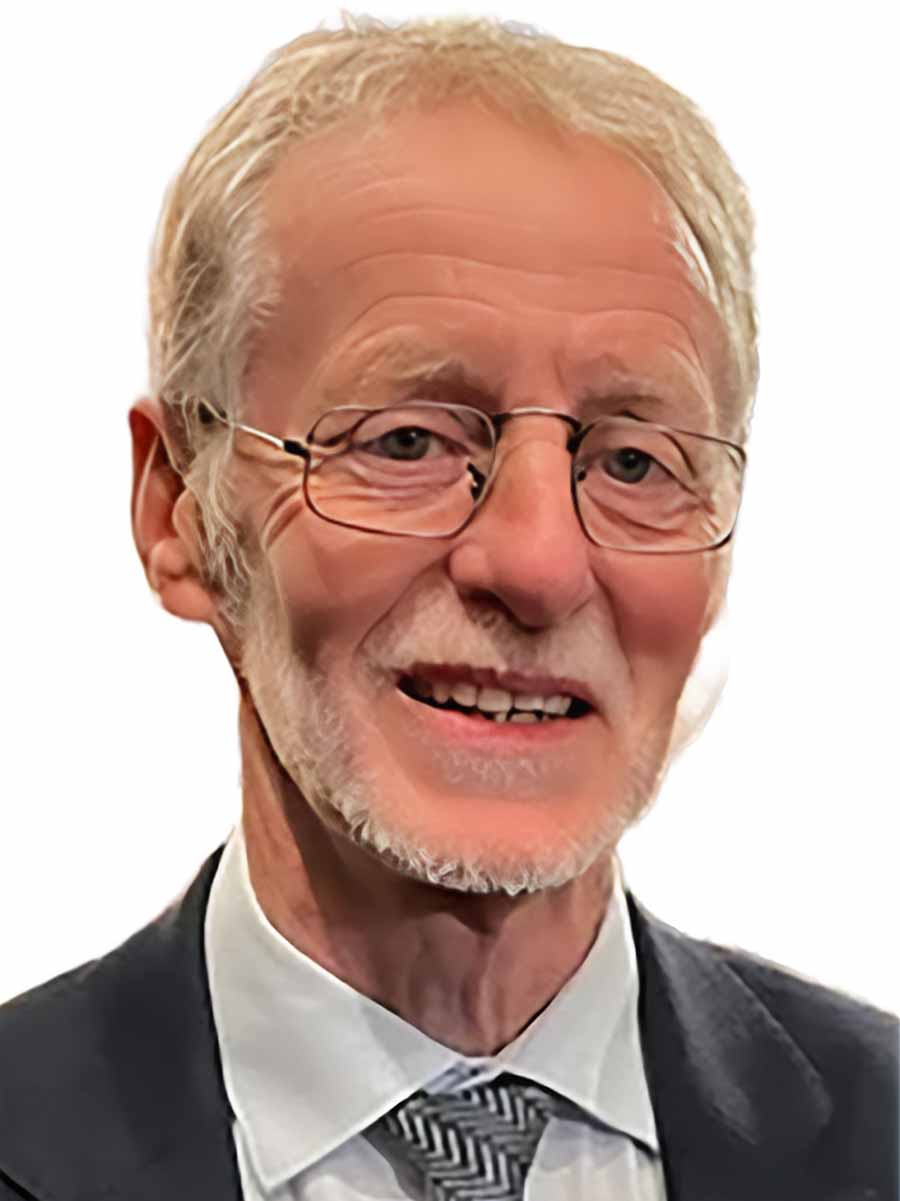
Mr David Boles acquired the collection from two Polish brothers Maz and Roman Piekarski who operated a private museum near Manchester in England for over fifty years. He worked alongside Colman Curran and project manager Eamonn McEneaney for two and a half years to prepare the clocks for public viewing. Expert conservators cleaned and treated the pieces including a century old fairground organ cuckoo clock that has been restored.The new wing recreates the atmosphere of the Black Forest valleys where cuckoo clockmaking began in the eighteenth century. Backlit walls produce sensory effects with sounds of rustling leaves and occasional cuckoo calls while selected clocks chime on the hour or quarter hour.
David Boles shared “You can buy cuckoo clocks they turn up ordinary ones no problem at all. But the earlier ones are very special. They do not survive well because they are prone to woodworm rot and so on. Any of the earlier ones that survive are by definition rare and some of them were made for very wealthy people in their day. Some were cheap but most were very expensive. It is just amazing that they have survived as well as they have.”
Eamonn McEneaney shared “All of these clocks were made in the Black Forest in Germany. There is a fallacy that cuckoo clocks come from Switzerland. They do not. They are all made in the Black Forest. We are trying to invite you into the Black Forest to the sights and the sounds of the Black Forest. When you walk in here you will hear the rustle of leaves and you will hear the odd sound of a cuckoo and then you go around and obviously not all four hundred clocks can be working because it would literally drive you cuckoo if they were. On the hour you will get the sound of the cuckoo. Some clocks on the quarter hour you will get the sound of a quail. Some of them have got both a cuckoo and a quail sound in them. So they are really rare and unusual clocks.”
Colman Curran shared “We wanted to change the mood. When you come in here there is a sensory element that is not in the main museum. You have different lighting you have different types of sounds. We have a wonderful fairground organ. So it is a sensory thing and it is also a good family friendly space. We are very proud of the museum. It is very much an Irish national museum of Irish clocks and watches and that includes the six counties of the North. Now that we have added this extra gallery on with the help of David Boles we are really proud of what has been achieved. This will hold its own with any museum in Europe.”