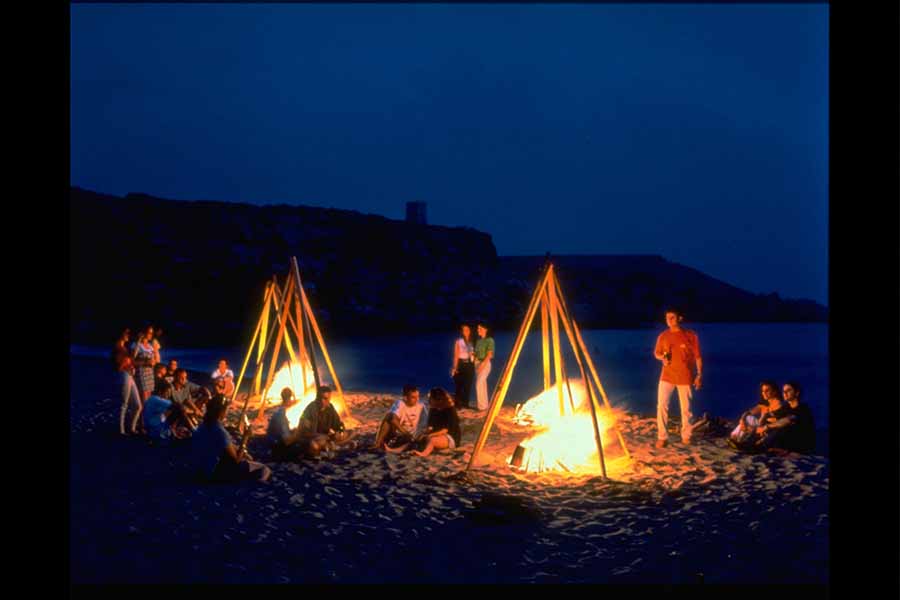
- Bonfires formed the centrepiece of celebrations on 23 June
- Spain hosted Noche de San Juan beach and town fires
- Denmark celebrated Sankt Hans Aften with songs and witch effigies
- Processions, dancing and feasts took place in multiple countries
- The vigil on 23 June preceded the feast day on 24 June
Saint John’s Eve and Midsummer celebrations have unfolded across Europe on 23 and 24 June 2026.
In Spain, Noche de San Juan featured large bonfires on beaches and in towns, with people jumping over flames for good luck. In Scandinavia, particularly Denmark (Sankt Hans Aften), communities lit bonfires topped with witch figures, sang traditional songs and gathered by lakes and coasts. Sweden held midsummer pole dances and flower crown festivities around the same dates.
France celebrated with Fête de la Saint-Jean bonfires, while other countries including Germany, Portugal and Italy hosted regional fires, processions, music and feasts. The night of 23 June marked the vigil with the main feast day on 24 June, closely tied to the summer solstice. Many events combined pagan roots with Christian observance of St John the Baptist.
The custom blends Christian observance of the feast of St John the Baptist with older midsummer solstice traditions. In rural areas, particularly in the north-west and counties such as Mayo, Cork and Donegal, people gathered for music, dancing and folklore rituals, with some carrying embers from the fires to bless fields for the coming year.
Events included organised bonfire nights with storytelling and community gatherings, such as at Céide Glamping in North Mayo. The fires served as focal points for protection, good fortune and marking the longest days of the year. While urban celebrations have diminished, the tradition remains strong in many rural and coastal locations.