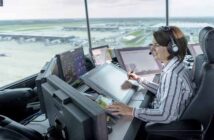

The Federal Aviation Administration has lifted all flight restrictions at 40 major US airports, which allowed airlines to resume normal schedules across the National Airspace System. The decision followed a review that showed a decline in staffing-related safety events after the end of the 43-day government shutdown on 13 November.
Air traffic controller staffing levels continued to improve over the weekend, with one staffing trigger recorded on 16 November compared to 81 on 8 November. The restrictions, which began at 4pc cuts on 7 November and reached 6pc by mid-November, aimed to address absences among the 13,000 controllers who worked without pay during the shutdown.
Those absences peaked due to stress and financial pressure but fell sharply after President Donald Trump signed the funding bill. The FAA reported that absences accounted for 1pc of delays on 12 November, down from 5pc before the shutdown. Airlines cancelled tens of thousands of flights during the period, with reductions set to hit 10pc at airports including Atlanta Hartsfield-Jackson, New York LaGuardia and Chicago O’Hare if the shutdown extended further. Transportation Secretary Sean Duffy and FAA Administrator Bryan Bedford stated that the system could handle full operations as controller callouts dropped to four on 14 November and eleven on 11 November.
The agency remained about 3,500 controllers short of targets, which prompted mandatory overtime and six-day weeks even before October. Controllers received guarantees of back pay through the bill, though processing times varied by agency payroll providers with most deposits expected within days. Homeland Security Secretary Kristi Noem announced 10,000 euro bonuses for Transportation Security Administration officers who worked through the shutdown, funded from 2025 cost savings.
The shutdown, the longest in US history, began on 1 October over budget disputes and forced essential workers including 50,000 TSA officers to continue duties unpaid. Aviation experts noted that while disruptions stabilised, full recovery could take weeks as airlines rebuilt schedules for the holiday season.
The FAA monitored facilities nationwide and planned no additional restrictions unless new issues arose. Controllers filed safety reports during the period and pursued lawsuits from the 2019 shutdown over delayed overtime compensation. The National Air Line Pilots Association welcomed the end of cuts but called for urgent hiring to address chronic shortages. Passengers at Ronald Reagan Washington National Airport and Newark Liberty International reported fewer delays by 17 November as flights returned to pre-shutdown volumes.
The Department of Transportation confirmed that the positive trend in staffing persisted into 18 November with no triggers reported early in the day. Congress included provisions in the bill to prevent further layoffs through January and reverse attempted staffing reductions. The event echoed the 2019 shutdown when controller absences helped prompt its closure after 35 days. Major carriers such as Delta Air Lines thanked staff for efforts during the crisis and committed to reimbursing affected customers.
The FAA aimed to hire more controllers through accelerated training programmes funded by the reopened budget. Travel through the busiest corridors including the East Coast saw the most impact, with compound delays from understaffed towers at 35 facilities on 31 October. The shutdown stemmed from partisan divides on spending, with Democrats pushing health insurance subsidies and Republicans seeking a clean resolution.
As operations normalised, the focus shifted to long-term investments in air traffic modernisation estimated at several billion euro. Controllers expressed relief but cautioned that unpaid work strained morale and retention. The FAA urged passengers to check flight statuses through 20 November in case of lingering effects from rescheduling. The episode underscored vulnerabilities in the aviation workforce amid ongoing federal budget battles.
Nick Daniels, president of the National Air Traffic Controllers Association, shared “No American should ever be forced to work without pay. To not pay someone for the work that they have performed is un-American, and failing to pay that workforce that keeps our sky safe is not acceptable.”