- ”They came from the North and they came from the East
- From the West and the South ‘twas a thriller to see
- With fiddles and bagpipes and piccolos too
- And drum sticks to keep them in order’
When Fleadh Cheoil na hÉireann came to Ennis seventy years ago, an iconic ballad was written commemorating the event that is still sung today. As the pipers and fiddlers will play the final notes of a fabulous Fleadh this evening, a new ballad is being written into the excel spread sheets of Belfast’s economic data, and it is sweet music indeed.
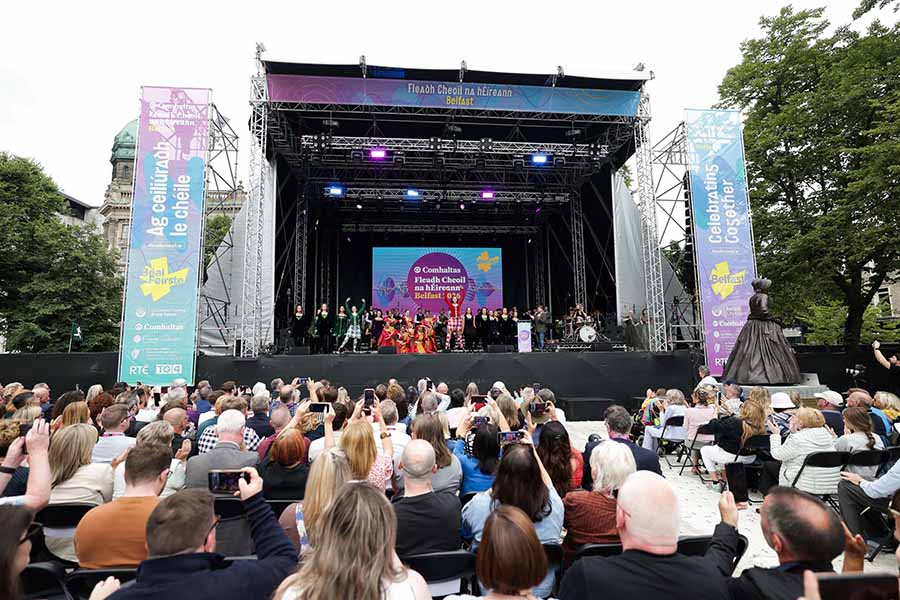
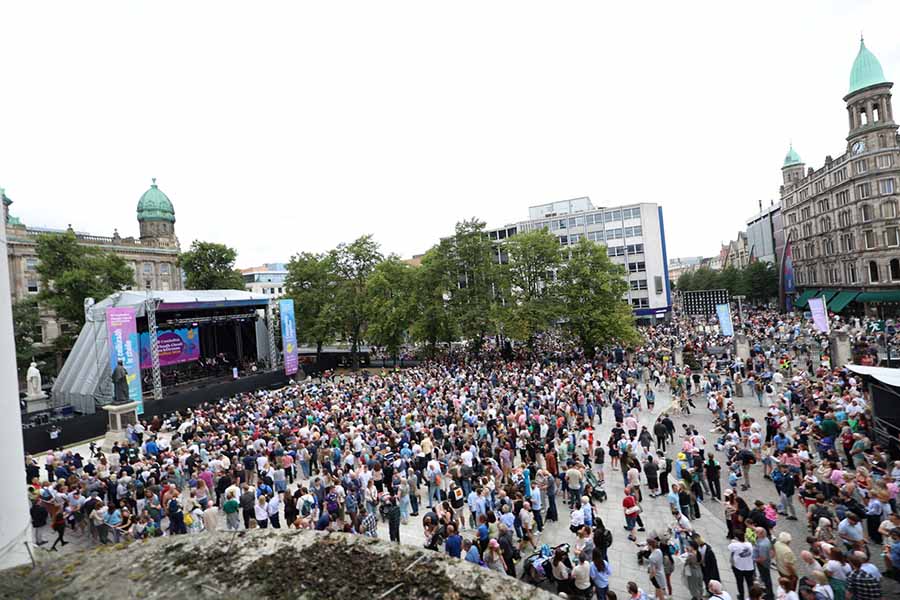
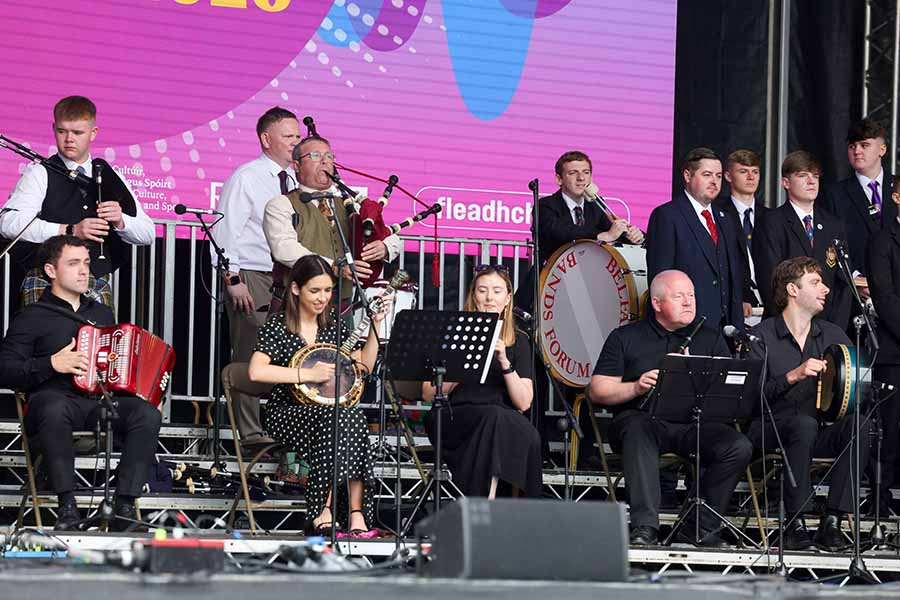
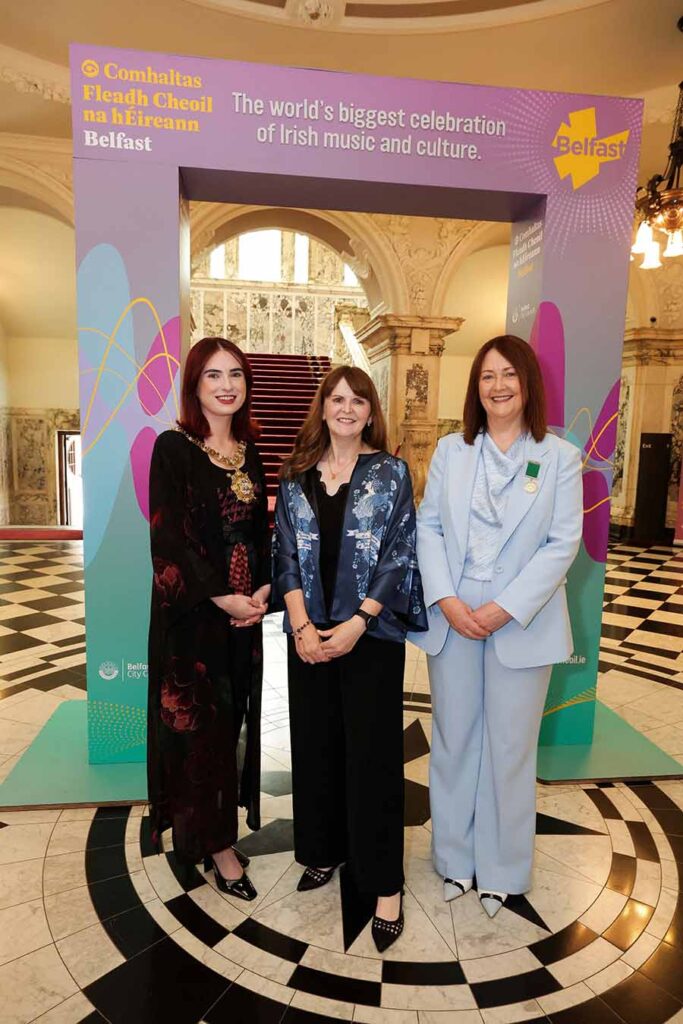
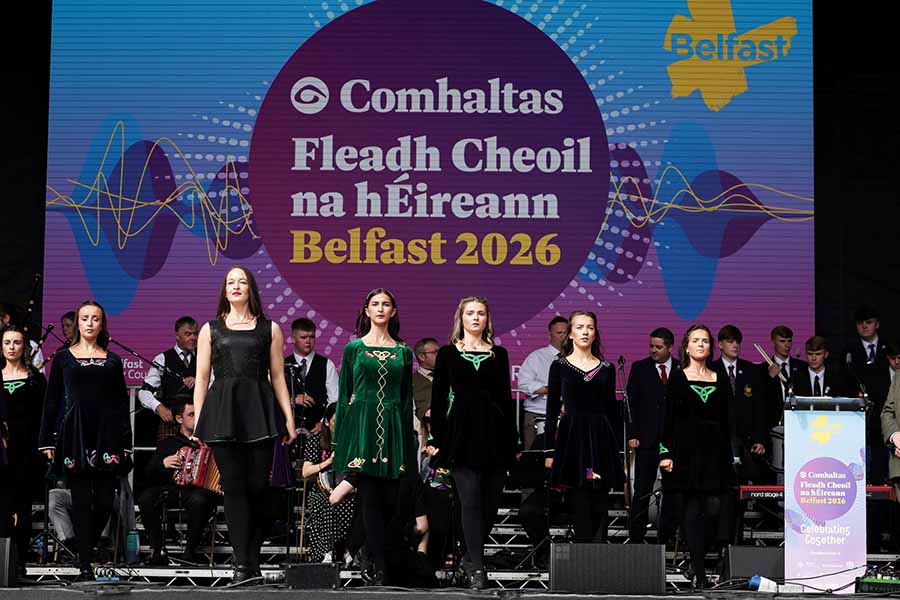
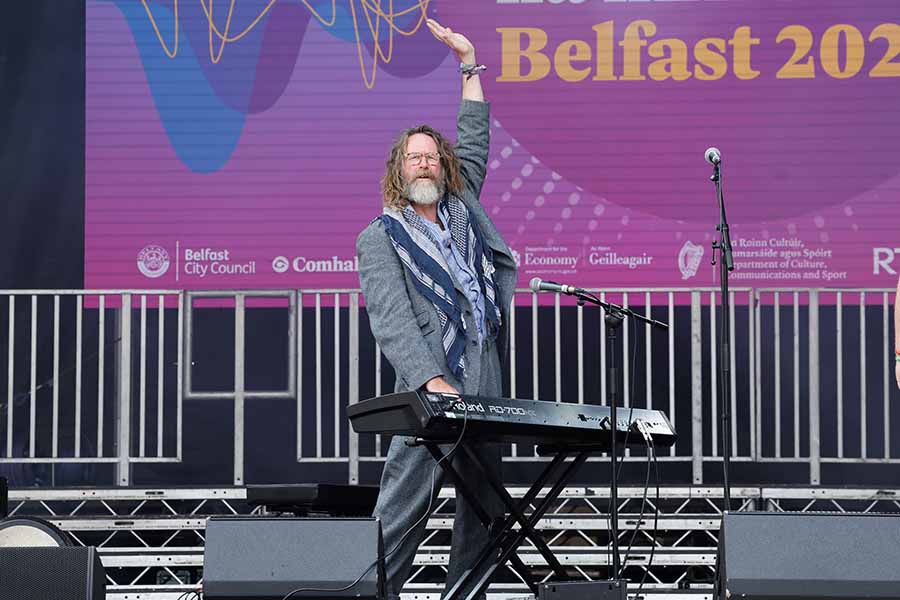
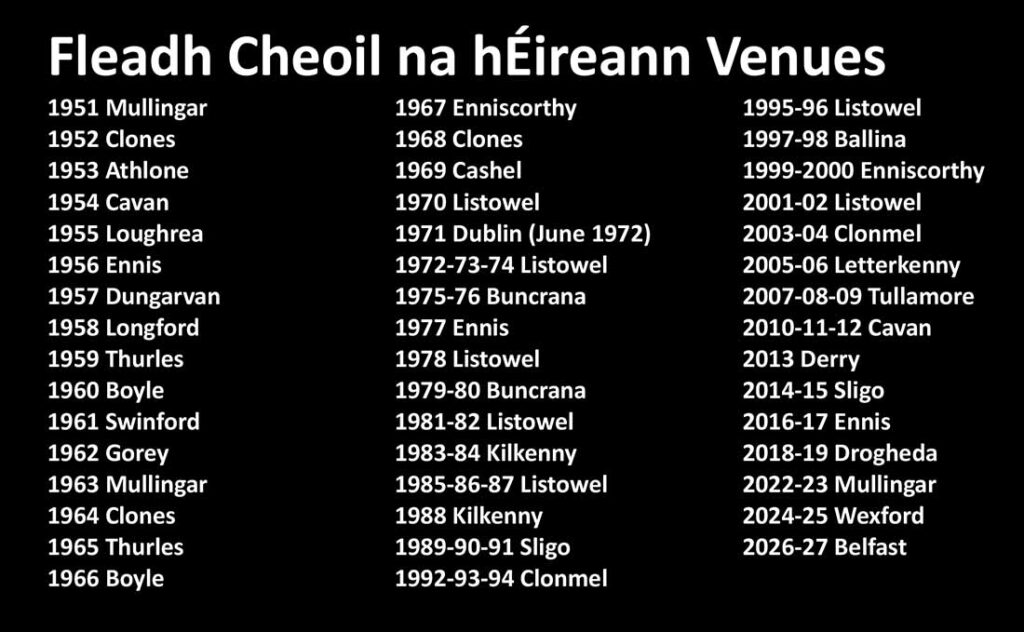
The arrival of Fleadh Cheoil na hÉireann in Belfast from 2 August to 9 August 2026 marks the first occasion on which the world’s largest celebration of Irish traditional music, song, dance and language has been staged in the city. Organised by Comhaltas Ceoltóirí Éireann with Ards Comhaltas as the host branch, the eight day festival has drawn competitors and spectators from across the island of Ireland and from further afield. More than 5,000 musicians and dancers from 22 countries took part in the All Ireland competitions, while street sessions, stage concerts and fringe events have filled the Cathedral Quarter, the area around City Hall and venues throughout the city centre.
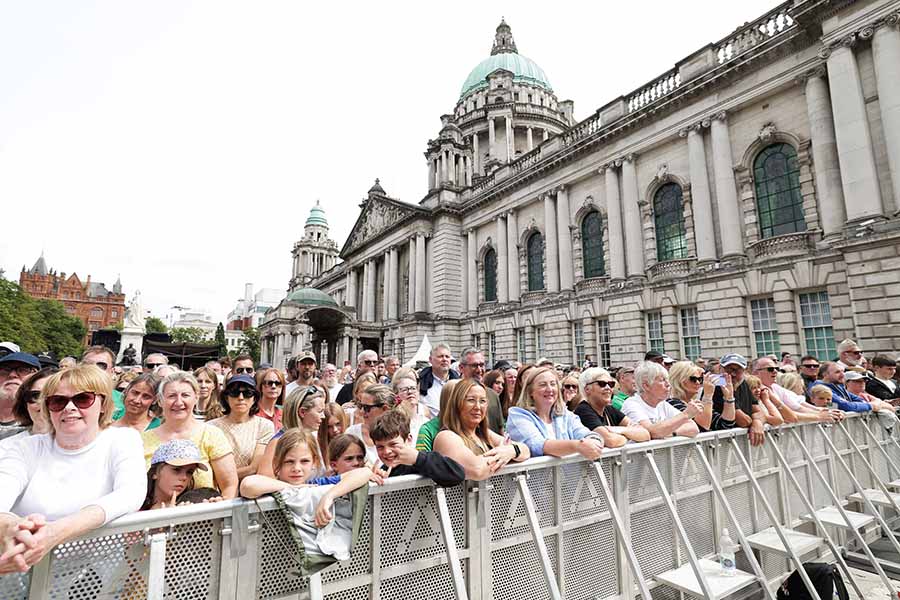
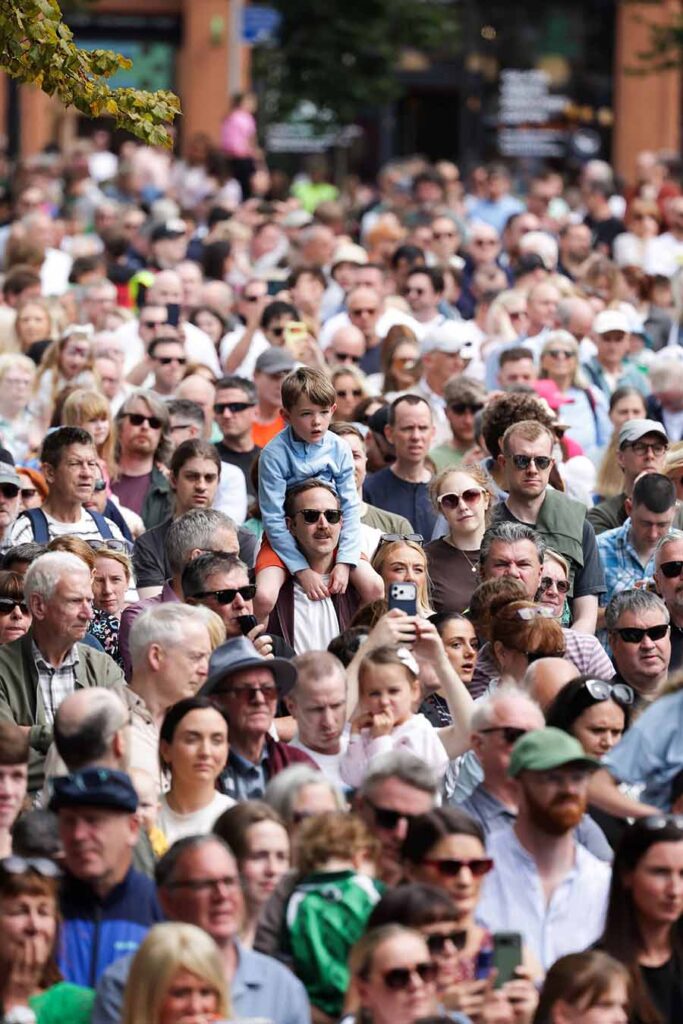
Footfall figures recorded by Belfast One Business Improvement District cameras show that more than 900,000 visitors passed through the monitored city centre zones between Sunday 2 August and Thursday 6 August. Daily counts rose from 176,462 on the opening day to 227,170 on the Thursday, placing the total well above the original estimate of between 700,000 and 800,000 for the full period and on course to surpass onem by the close of the event.
Layers of impact
The economic contribution of such an influx is best understood through the successive layers of impact that tourism and event analysis employ. Direct economic impact arises from the initial round of spending by visitors, organisers and participants on local goods and services. Hotel rooms, bed and breakfast establishments, restaurants, pubs, taxi services, public transport tickets and retail purchases form the primary channels. Commercial bednights, the number of paid overnight stays generated by non local attendees, have risen sharply. Hotels and guesthouses across central Belfast reported occupancy rates approaching full capacity in the days leading into the festival, with average daily rates for rooms climbing in response to demand. Visitors from the 26 counties, England, Scotland, continental Europe, North America and further destinations have booked accommodation ranging from five star properties to student residences and temporary campsites at Titanic Quarter, Ormeau Park and Falls Park. Expenditure on food and drink in the city’s hospitality premises has followed the same pattern, with many establishments extending opening hours and increasing staffing levels to meet the volume of trade.
Indirect economic impact follows as local businesses purchase the goods and services required to meet that demand. A caterer supplying food to outdoor stages or hospitality venues buys produce from regional farms and wholesalers. Hotels restock linen, cleaning materials and kitchen supplies from local suppliers. Transport operators increase fuel purchases and maintenance services. These business to business transactions circulate money through the regional supply chain and support employment beyond the immediate front line of tourism. The multiplier effect then amplifies the original visitor spending. Economists apply a mathematical factor to estimate how each euro of direct expenditure generates further income as it moves through successive rounds of local transactions. In the case of a large cultural festival the multiplier captures the additional activity created when wages paid to temporary staff are spent in local shops and when suppliers themselves place further orders.
Increased spend
Induced economic impact appears when households that earn wages from the event increase their own spending. Temporary bar staff, stewards, security personnel, cleaners and transport workers receive income that they then use for everyday purchases of food, clothing, entertainment and household goods. The result is a further stimulus to local retail and service sectors. Gross economic impact measures the total raw revenue drawn into the area by the event before any subtraction of costs or displacement of ordinary activity. Early projections placed the figure for Belfast at approximately €62m, a conversion of the £53m estimate issued by the Department for the Economy. Later assessments, informed by higher than expected footfall, have suggested that the final gross figure may rise towards €117m. Net economic impact adjusts that total by subtracting leakage, the portion of spending that leaves the local economy to pay external suppliers, non local staff or corporate chains headquartered outside Ireland, and by accounting for any displacement of regular visitors who might have stayed away because of crowds or higher prices. The net figure represents the actual new money retained within the region.
Return on investment provides a further measure of efficiency. Belfast City Council and the Department for the Economy allocated public funds in the region of €6m to €7m to support the staging of the festival. When set against the projected net economic return the ratio indicates a substantial surplus for the public purse and for private businesses alike. The presence of competitors and spectators from 22 countries has widened the geographic reach of that return. International visitors tend to stay longer and to spend more per day than day trippers from within the island. Their expenditure on accommodation, meals, transport and retail contributes a higher proportion of net impact because a larger share of their spending originates outside the local economy.
UNESCO City of Music
Cultural impact extends beyond the balance sheets. Fleadh Cheoil na hÉireann has long functioned as a gathering point for the transmission of traditional repertoire, technique and style. In Belfast the presence of musicians from every county of Ireland alongside ensembles from Britain, North America, Australia and continental Europe has created a dense network of informal exchange.
Pub sessions and street performances allow younger players to hear older masters and to absorb stylistic nuances that cannot be fully captured in competition settings. The Irish language has been audible in conversations, in song and in the announcements of competition results, reinforcing its place within the living culture of the festival. Dance, both competitive and social, has filled open spaces and halls, drawing participants of all ages into shared movement. The designation of Belfast as a UNESCO City of Music has provided an institutional frame for these activities, positioning the Fleadh as a demonstration of the city’s capacity to host large scale cultural programming.
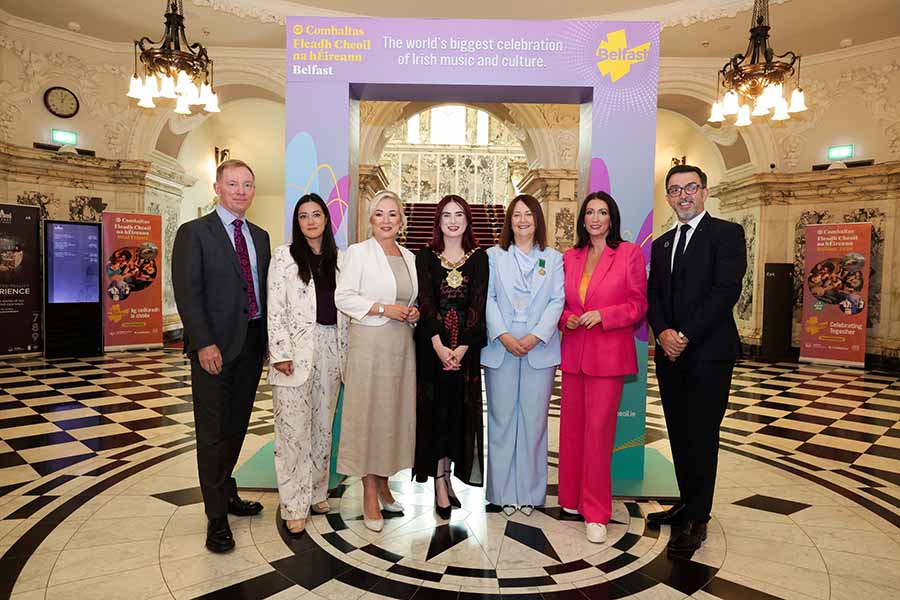
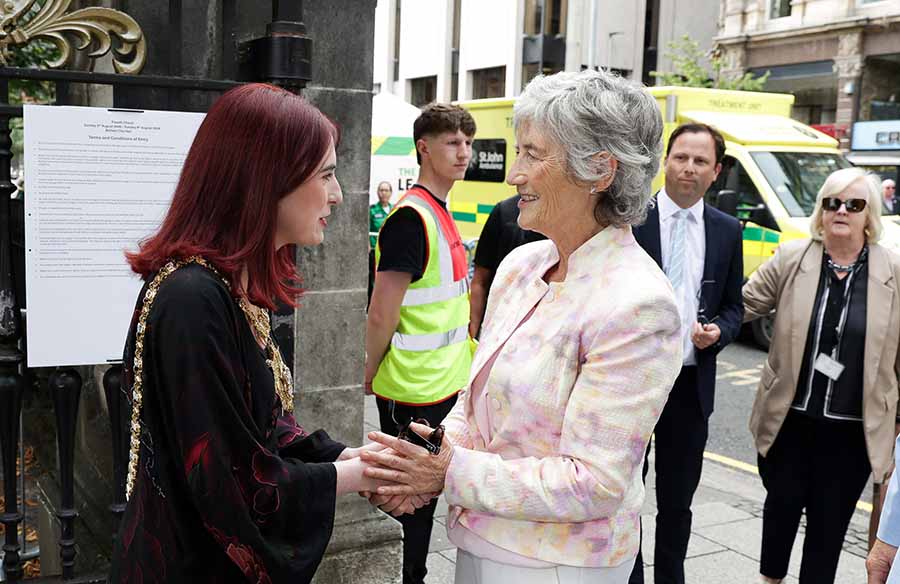
The cross cultural dimension of the 2026 Fleadh is especially pronounced. Competitors and visitors from outside the traditional heartlands of Irish music have brought their own interpretations and their own audiences. North American branches of Comhaltas have sent large contingents, as have groups from Britain and from further afield. The resulting mixture of accents, repertoires and performance practices has produced conversations that cross political and geographic borders. In a city that has experienced decades of division, the shared language of traditional music has offered a common ground. Sessions in venues on both sides of historical community lines have drawn mixed audiences. Organisers and civic leaders have pointed to the atmosphere of mutual welcome as evidence that cultural events can foster social cohesion. The presence of senior political figures from both jurisdictions and from the British government at opening and closing ceremonies has given formal recognition to that dimension without converting the festival into a political platform.
Volunteers mobilised
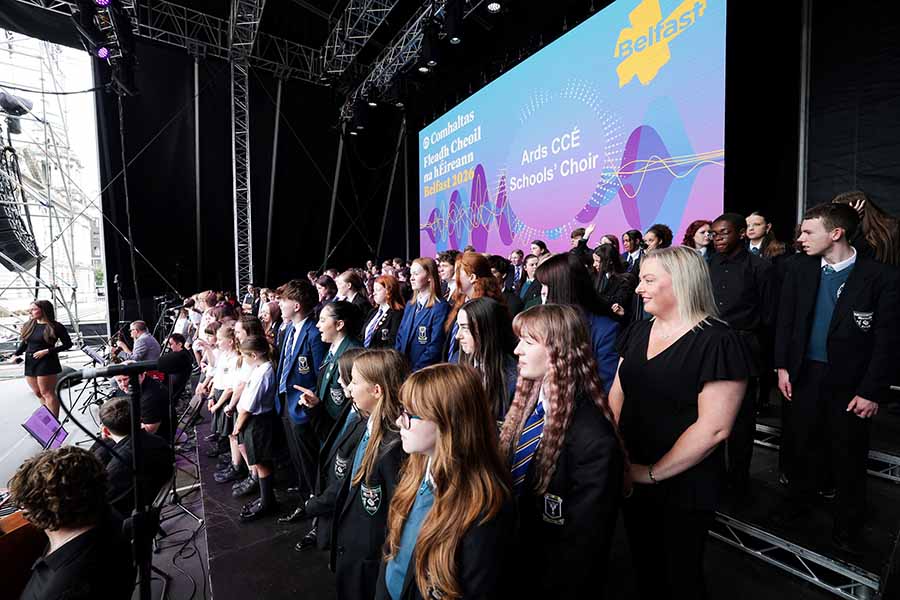
Social impact is visible in the mobilisation of volunteers, the engagement of schools and community groups, and the temporary expansion of public services. Translink has reported more than one million passenger journeys on its network during the first five days of the festival, supported by enhanced timetables, late night services and park and ride facilities. Local residents have opened private homes for guest accommodation or have simply joined the crowds in the streets. T
he scale of attendance has tested the capacity of the city centre and has required careful management of pedestrian flows, waste collection and security. At the same time the concentration of activity has generated a sense of collective participation that extends beyond those who identify primarily as traditional music enthusiasts. Families, tourists drawn by the wider reputation of the event, and residents curious about the spectacle have all contributed to the atmosphere.
The Fleadh up in Belfast
The Fleadh Down in Ennis, Robbie McMahon’s ballad, does not have a spreadsheet verse, but it demonstrated in the most powerful way possible that traditional music could attract large crowds and generate economic activity in a provincial town. The 2026 Fleadh in Belfast has repeated that demonstration on a metropolitan scale and in a politically complex urban setting. The excel spreadsheets that record bednights, average daily rates, direct and indirect expenditure, multiplier effects and net retained income will supply the quantitative record. T
he qualitative record will reside in the memories of musicians who competed or simply played, in the conversations that took place across cultural and community boundaries, and in the evidence that a city can host an event of this magnitude while maintaining a sense of shared purpose. As the final notes sound this evening the data and the lived experience together confirm that the economic, cultural and social returns have been substantial and that the ballad of the Belfast Fleadh will continue to be written in both the accounts of the city and the repertoires of its musicians for years to come. Sweet music indeed.
External links
- fleadhcheoil.ie/whats-on
- discovernorthernireland.com Fleadh What’s On Guide
- Live guide at belfastfleadh.com