As the price of oil bounces along the financial service screens, different airline are responding in different ways. the good news for Irish consumers is that both of our airlines are heavily hedged against fuel price rises. Ryanair stands among the best protected in the world, with 80pc of its fuel hedges at $68 for 2026, and has confirmed that this position allows it to shield much of its short haul network from immediate cost pressures. IAG the parent of Aer Lingus British Airways and Iberia has confirmed it is hedged for 75pc in the first quarter of 2026 stepping down to 50pc by the final quarter at rates.
This postpones the problem of fuel price for at least the early part of the summer and shields the airlines from immediate spikes in the open market and keeps costs in line for operations out of Dublin and other Irish bases.
International Airlines Group put hedges in place across its brands with coverage that starts high in the first quarter of 2026 and steps down through the year. The effective rate sits below the Ryanair figure but covers a solid share of fuel for Aer Lingus flights and supports stability on routes to and from Ireland. The result is that ticket prices for Irish travellers can hold steady in the period ahead without the full force of the increase passing through right away.
Ryanair also confirmed strong cash reserves and a fleet strategy that pairs with the fuel protection to keep unit costs competitive. The airline added routes and capacity in line with its growth targets while the hedge holds. Aer Lingus through International Airlines Group revealed investments in modern aircraft that use less fuel per passenger and add to the savings from the locked in prices. These steps together position the Irish based operations ahead of peers who carry more open exposure.
Carriers outside Ireland face full exposure to these movements once their own protections run out. Carriers in the United States which have largely abandoned hedging programmes in recent years have revealed plans for rapid fare adjustments as they face full exposure to the increases. United Airlines confirmed that airfare rises would probably start quickly while Delta Air Lines and American Airlines have adjusted pricing on routes where fuel forms a substantial part of expenses.
In Europe most major airline groups maintain partial protection through forward contracts but executives have confirmed that coverage will unwind over the coming months and fares may need to rise if prices stay elevated.
EasyJet is hedged 84pc protection through the first half. Lufthansa Group confirmed 82pc cover for the opening quarter and 77pc for the full year of 2026 while Air France KLM is hedged at 70pc in the first quarter declining to 47pc in the fourth. Even with these arrangements some impact has emerged because contracts focus on crude oil rather than the full jet fuel refining margin which has surged beyond crude gains. Wizz Air confirmed 83pc cover in the near term but only 55pc into 2027 and the Hungarian carrier has already flagged a potential profit reduction if the situation persists.
Across Asia Pacific carriers have moved faster to pass costs on to passengers. Thai Airways confirmed ticket price rises of up to 15pc while Qantas Airways and Air New Zealand revealed fare increases and capacity reductions including the cancellation of more than one thousand flights by the New Zealand carrier. Cathay Pacific confirmed that its crude oil hedges offer only partial relief against the jet fuel spike and the Hong Kong based airline has raised prices on international routes. Canadian operators show mixed positions with Air Canada hedged at just 17pc for the first half of 2026 while Transat holds more than half its needs covered through March.
Some airlines have revealed operational changes to ease the burden. Capacity cuts on less profitable routes have appeared alongside fuel efficiency measures such as optimised flight paths and lighter cabin configurations. At the same time passenger demand has strengthened in certain markets as travellers book ahead of expected fare adjustments with bookings rising for summer services in Europe and North America. The contrast between hedged and unhedged carriers has become clear in recent weeks with those holding strong forward contracts able to maintain more stable pricing in the short term while others adjust schedules and charges immediately.
European carriers in particular have confirmed that the current protections buy time but will not last indefinitely into the later part of 2026. In the United States consumers will see the effects immediately through higher ticket prices on domestic and international services. Asian and Oceania operators have combined surcharges with route rationalisation to balance their books under the new cost environment.
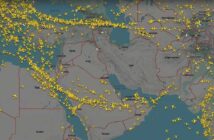
For the time being, consumers in Ireland can plan trips knowing the two main airlines have taken steps to manage the rise. Passengers on routes to Spain, Portugal, Italy and other spots can book without worry about sudden lifts tied to fuel but another factor comes to play: the arrival of long haul travellers, unable or unwilling to transfer through the Gulf region, on to the short haul routes..
The two airlines operate fleets that benefit from the fuel security in different ways. Ryanair uses its hedge to hold down expenses on high volume short haul services. Aer Lingus gains similar relief on its mix of routes that include longer sectors.