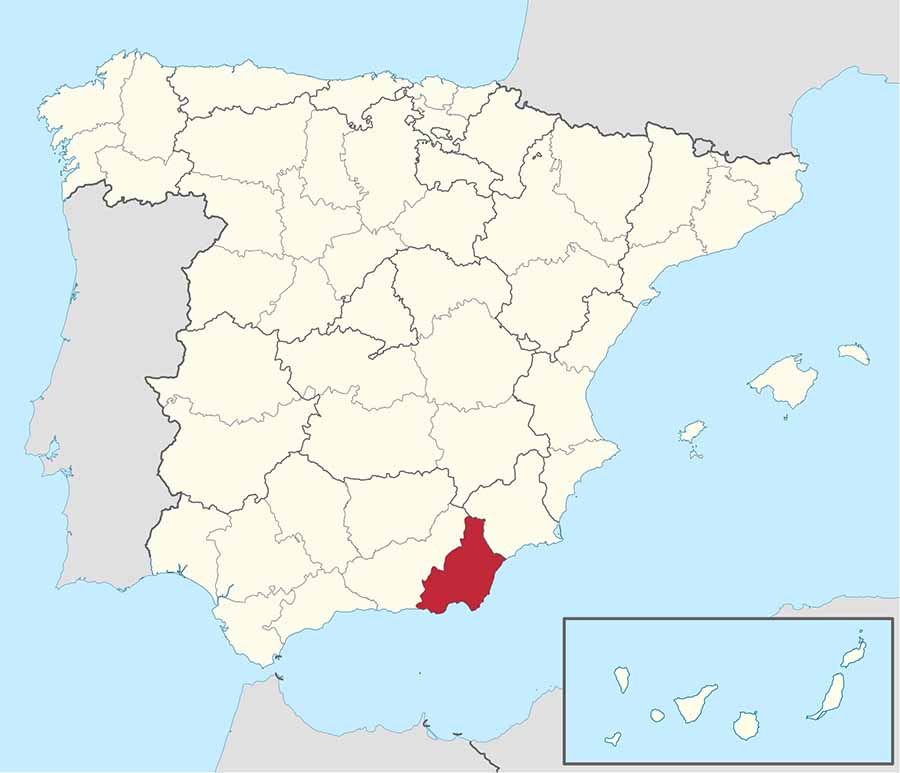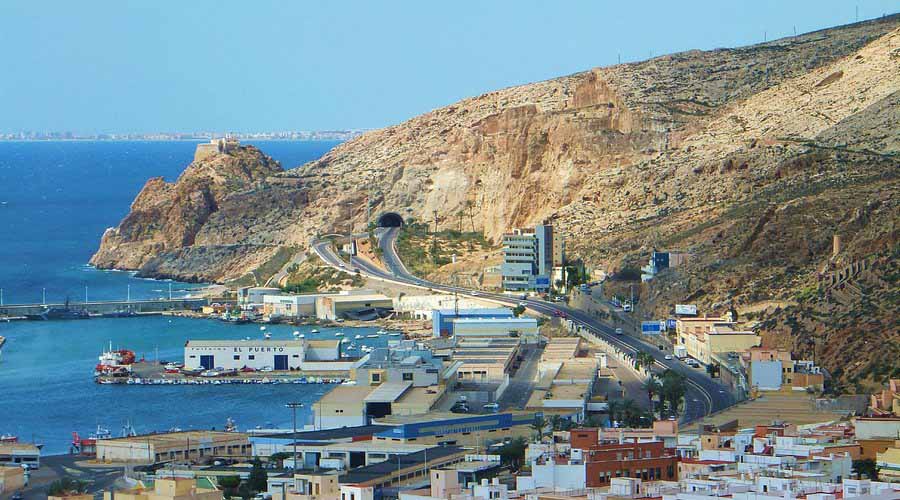
In the region of Almería, Spain, visitors are finding a treasure trove of gastronomy tourism that celebrates the area’s rich culinary heritage and inviting facilities. This southeastern corner of Andalusia offers a delightful blend of traditional flavours, modern dining experiences, and cultural attractions that make it an appealing destination for food enthusiasts and travellers alike.
At the heart of Almería’s gastronomic appeal is its fresh, locally sourced produce. The region’s fertile lands and Mediterranean climate yield an abundance of tomatoes, peppers, and melons, which form the backbone of many local dishes. The province is also known for its seafood, with fishing ports supplying pink shrimp, red mullet, and octopus that grace the menus of coastal restaurants. Casa Puga, a historic bar in Almería city dating back to 1906, serves traditional tapas such as grilled prawns and artichokes, often accompanied by a refreshing glass of local beer. These small plates, frequently offered free with drinks, provide an authentic taste of Andalusian hospitality.
Beyond the city, gastronomy tourism thrives in Almería’s rural areas. The region’s greenhouses, a cornerstone of its economy, produce millions of tonnes of fruit and vegetables annually, many of which are celebrated in local markets like Mercado Central. Here, visitors can sample regional cheeses, cured hams, and olive oils, often with a certificate of origin that underscores their quality. The town of Vera is known for its unique cornmeal flatbread, torticas de avío, topped with anchovies, tomatoes, and peppers, offering a distinct Mediterranean twist.
For those eager to explore further, Almería’s wine tourism is gaining traction. Vineyards in the region produce reds, whites, and rosés, and visitors can tour wineries to learn about production methods before enjoying tastings paired with local hams or cheeses. These experiences often take place in scenic settings, with the Sierra Nevada mountains providing a stunning backdrop. The Cabo de Gata-Níjar Nature Reserve, with its unspoiled beaches and trails, offers opportunities to combine culinary outings with outdoor adventures, such as picnics featuring regional specialities.
Almería’s dining scene is complemented by its cultural attractions. The Alcazaba, a grand Moorish fortress, provides a historical context for the region’s cuisine, which blends Arab, Roman, and Spanish influences. Nearby, the cathedral and Almería Museum offer insights into the area’s past, while the Nicolás Salmerón Park, with its palm-lined paths, is a pleasant spot for a post-meal stroll. The Paseo de Almería, lined with colourful façades, is home to cafés and restaurants where visitors can savour dishes like wheatberry stew or rabbit with beans and pasta, known locally as gurullos.
Accommodation in Almería caters to a range of preferences, from family-run guesthouses in whitewashed villages like Mojácar to modern hotels along the coast. Many offer packages that include gastronomic tours, cooking classes, or visits to local producers, allowing guests to engage with the region’s food culture. The province’s beaches, such as Playa de los Muertos, provide a serene setting for enjoying seafood lunches or sunset dinners.
Almería’s commitment to gastronomy extends to its efforts to promote sustainable tourism. Local producers and restaurants work to preserve traditional methods while embracing innovation, ensuring that visitors can enjoy authentic flavours in an environmentally conscious way.
Spain region by region
Almería – Andalusia – Aragón – Asturias – Basque Country – Cádiz – Cantabria – Catalonia – Córdoba – Extremadura – Fuerteventura – Galicia – Gran Canaria – Granada – Huelva – Ibiza – Jaén – La Mancha – La Rioja – Lanzarote – León – Madrid – Majorca – Málaga – Menorca – Murcia – Navarra – Seville – Tenerife – Valencia –