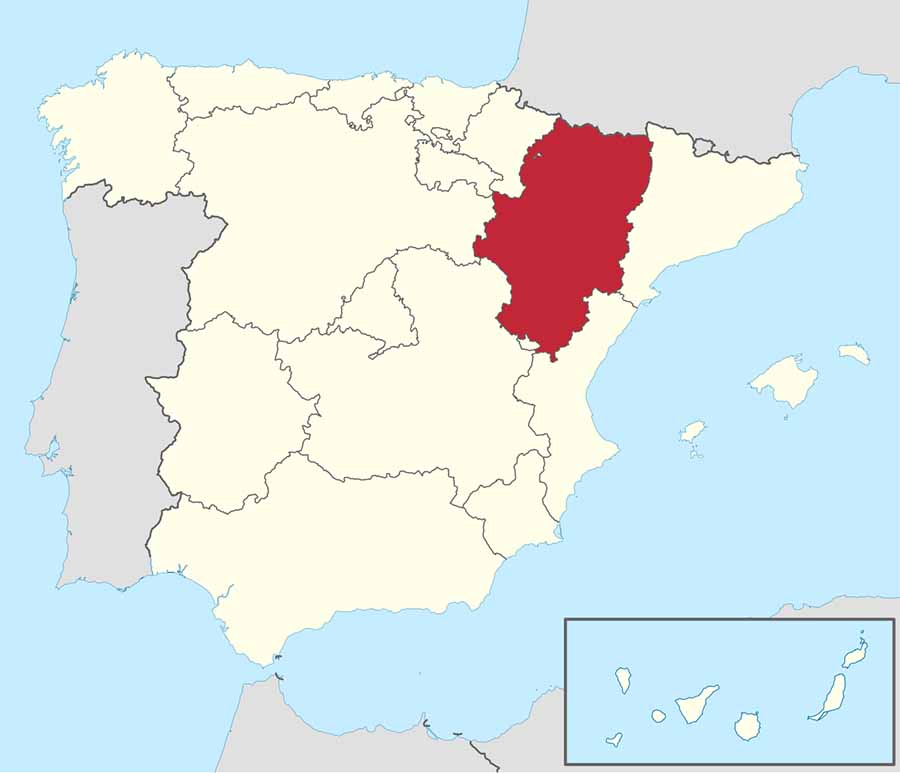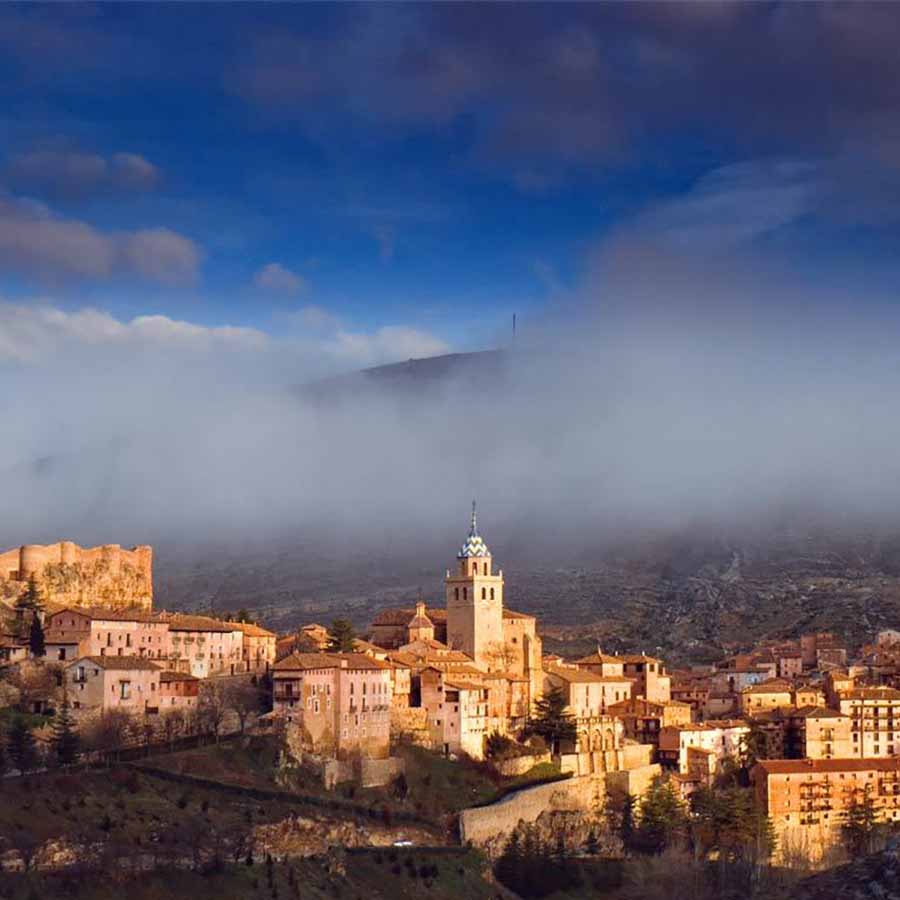
In the heart of Spain, Aragón invites food lovers to explore its rich gastronomy tourism offerings, blending rustic traditions with welcoming facilities. This region, stretching from the Pyrenees to the Ebro Valley, serves up a delightful mix of hearty dishes, local produce, and cultural attractions that make it a compelling destination for culinary travellers.
Aragón’s cuisine reflects its diverse landscapes, with dishes rooted in its agricultural heritage. The region is known for its lamb, particularly ternasco, a tender, oven-roasted meat often served with potatoes and herbs. In Zaragoza, restaurants offer bacalao al ajoarriero, a cod dish with garlic and peppers, showcasing the area’s love for bold flavours. Tapas bars in the city’s historic El Tubo district tempt visitors with small plates of migas, breadcrumbs fried with sausage and grapes, paired with a glass of local wine. These shared dishes create a warm, social dining experience.
Local markets are a cornerstone of Aragón’s food culture. Zaragoza’s Mercado Central brims with fresh vegetables, cheeses, and embutidos, including the region’s famed longaniza sausage. In Huesca, markets showcase black truffles, a prized ingredient used in local restaurants to elevate simple dishes like scrambled eggs. Visitors can join cooking classes in towns like Teruel, learning to prepare jamón de Teruel, a cured ham with a protected designation of origin, or chilindrón, a stew of chicken or lamb with tomatoes and peppers.
Wine tourism thrives in Aragón, particularly in the Campo de Borja and Cariñena regions, where vineyards produce robust reds from garnacha grapes. Wineries welcome guests for tours and tastings, often paired with local almonds or cheeses, set against the backdrop of rolling hills. The Somontano region, near the Pyrenees, offers crisp whites and reds, with many wineries providing guided walks through vineyards followed by meals featuring regional specialities.
Aragón’s cultural landmarks enhance its culinary appeal. Zaragoza’s Aljafería Palace, a Moorish masterpiece, reflects the region’s historical blend of cultures, which influences its cuisine. In Huesca, the Gothic cathedral offers a glimpse into the past, while nearby eateries serve borage, a local vegetable, in creamy soups. Teruel’s Mudéjar architecture pairs beautifully with dining spots offering pork loin with almond sauce. These sites provide a rich context for the region’s food traditions.
Accommodation ranges from charming guesthouses in Pyrenean villages like Aínsa to modern hotels in Zaragoza’s bustling centre. Many offer gastronomic packages, including visits to truffle farms or olive oil producers. The region’s natural beauty, from the Ordesa National Park to the Ebro River, invites outdoor dining experiences, such as picnics with local breads and cheeses. Aragón’s commitment to sustainable tourism shines through in its farm-to-table restaurants and organic markets, ensuring authentic flavours for visitors.
Spain region by region
Almería – Andalusia – Aragón – Asturias – Basque Country – Cádiz – Cantabria – Catalonia – Córdoba – Extremadura – Fuerteventura – Galicia – Gran Canaria – Granada – Huelva – Ibiza – Jaén – La Mancha – La Rioja – Lanzarote – León – Madrid – Majorca – Málaga – Menorca – Murcia – Navarra – Seville – Tenerife – Valencia –