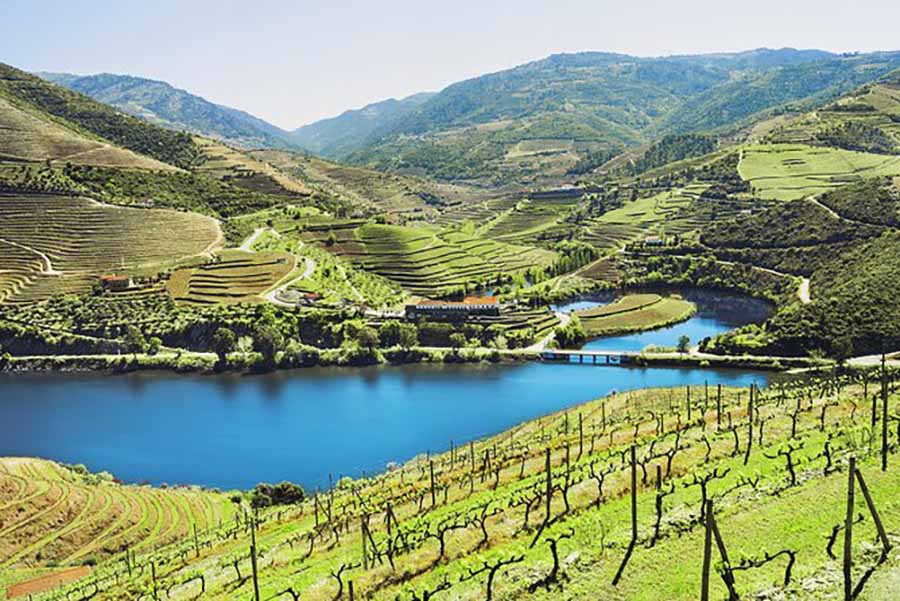
This region, with its historic cities, rolling vineyards, and rugged natural parks, offers travellers a chance to discover Portugal sustainably. Porto e Norte blends eco-friendly practices with cultural and natural attractions, creating a destination where responsible tourism thrives.
Moving around Porto e Norte is easy with low-carbon transport options. Porto’s metro system and regional trains connect the city to towns like Guimarães and Braga, making car-free travel straightforward. For those who enjoy cycling, the Douro Valley’s bike paths provide scenic routes through vineyards and riverside landscapes. Operators like Douro Bike Tours offer e-bike rentals, allowing exploration with minimal environmental impact.
Accommodations cater to eco-conscious visitors. In Porto, Selina Porto, a Green Key-certified hostel, uses energy-efficient systems and promotes recycling, offering locally sourced meals in its communal kitchen. In the Douro Valley, Quinta do Vallado, a sustainable winery and guesthouse, employs solar power and organic farming, providing guests with a comfortable stay rooted in green practices.
Dining in Porto e Norte focuses on sustainability. Restaurants like Essência in Porto serve plant-based and seasonal dishes using ingredients from local farms, reducing transport emissions. Markets, such as the Bolhão Market in Porto, offer fresh produce and artisanal goods, enabling travellers to support small producers and enjoy authentic regional flavours.
Outdoor activities combine adventure with environmental care. The Peneda-Gerês National Park, Portugal’s only national park, offers hiking and wildlife tours led by eco-certified operators like Gerês Holidays. These tours prioritise conservation, guiding visitors through granite peaks and native forests. Kayaking along the Douro River, offered by companies like Douro Kayak, provides a low-impact way to explore the region’s waterways and spot local wildlife.
Cultural experiences in Porto e Norte align with sustainable principles. Staying in family-run guesthouses in historic towns like Amarante supports local economies and preserves traditional architecture. Visitors can join workshops on pottery or wine production, connecting with the region’s heritage. Eco-certified walking tours in Porto’s Ribeira district, available through platforms like Get Your Guide, offer low-carbon ways to explore historic sites with local guides.
The region encourages sustainable habits. Many accommodations provide reusable water bottles, as tap water is safe to drink. Recycling facilities are widely available in urban areas, and visitors are urged to stay on marked trails in natural parks to protect ecosystems. Initiatives like river clean-ups in the Douro Valley engage travellers in preserving the region’s natural beauty.
Porto e Norte offers a wealth of opportunities for travellers to enjoy its landscapes and culture responsibly. By choosing green transport, accommodations, and activities, visitors can experience the region’s charm while contributing to its preservation.
Portugal region by region
Açores – Alentejo – Algarve – Centro de Portugal – Lisboa – Madeira – Oeste e Vale do Tejo – Península de Setúbal – Porto e Norte
Spain region by region
Almería – Andalusia – Aragón – Asturias – Basque Country – Cádiz – Cantabria – Catalonia – Córdoba – Extremadura – Fuerteventura – Galicia – Gran Canaria – Granada – Huelva – Ibiza – Jaén – La Mancha – La Rioja – Lanzarote – León – Madrid – Majorca – Málaga – Menorca – Murcia – Navarra – Seville – Tenerife – Valencia –