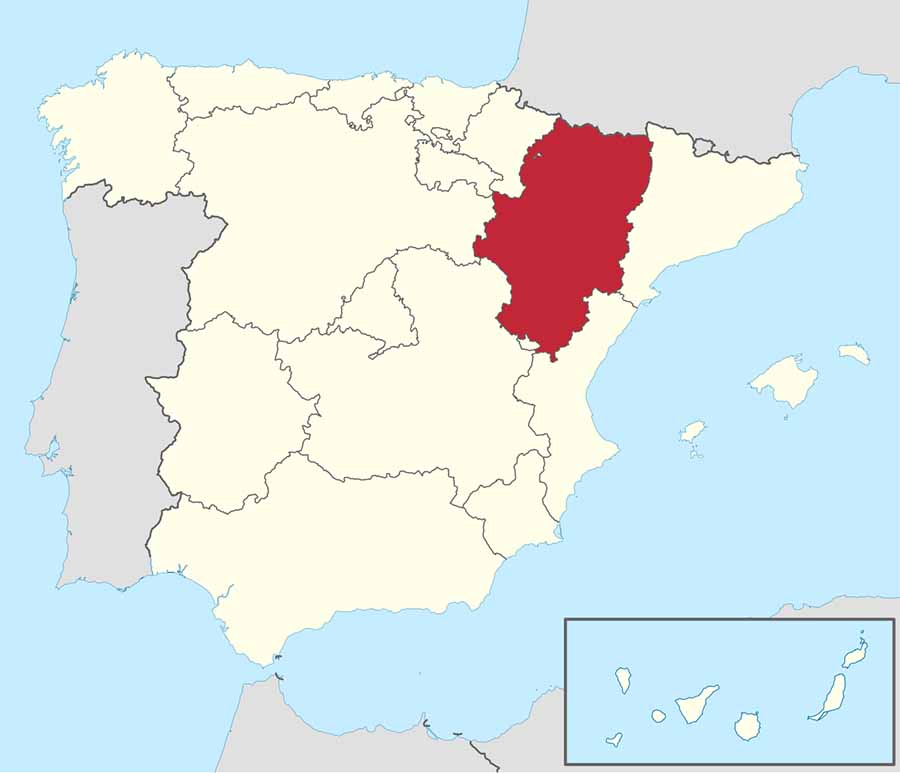
The diverse landscapes of Aragón, from the soaring peaks of the Pyrenees to the rolling plains of the Ebro Valley, create an inviting playground for equestrian tourism. This northern Spanish region, steeped in history and natural beauty, offers riders a chance to explore its rugged terrain and charming villages on horseback, with well-equipped facilities catering to all skill levels.
One of the region’s standout bridle trails is found in the Benasque Valley, within the Posets-Maladeta Natural Park in Huesca. This circular route, offered by centres like Anima Equi, guides riders through ancient paths surrounded by lush forests, alpine meadows, and dramatic mountain views, including the majestic Posets peak, the second-highest in the Pyrenees. The trail, suitable for beginners and experienced riders alike, weaves past waterfalls and glacial landscapes, offering a serene connection to Aragón’s wild heart. Another gem is the Vía Verde de la Val de Zafán, accessible from properties near Lledó in Teruel. This converted railway trail provides flat, scenic routes perfect for leisurely rides, with direct access to the Els Ports de Beceit Natural Park’s striking mountain vistas.
In the Ordesa and Monte Perdido National Park, trails lead through canyons and meadows, with equestrian centres in Torla-Ordesa offering guided rides that showcase the park’s breathtaking scenery. These routes, often following historic paths once used by shepherds, allow riders to experience the region’s rich biodiversity, from soaring vultures to elusive chamois. The trails around Jaca, a historic town in the Aragonese Pyrenees, are equally appealing, with Pirineo Equestre providing access to paths that meander along the Aragón River, framed by snow-capped peaks and medieval villages.
Aragón’s equestrian facilities are well-suited to diverse needs. Pirineo Equestre, located near Jaca, boasts five arenas, a cross-country circuit, and a stable of 40 well-trained horses, offering everything from trail rides to dressage lessons. The centre’s rural setting, within the Santa Orosia orchard, complements its offerings with comfortable accommodation at the restored 17th-century Los Cerezos farmhouse. In the Matarraña region, often dubbed the Tuscany of Spain, the equestrian property near Lledó provides 5.
3 hectares of flat land ideal for riding, with direct trail access and panoramic views of the surrounding mountains. For those seeking a blend of adventure and relaxation, Equiberia in the Gredos Mountains offers multi-day treks through high-altitude landscapes, with stops at charming rural inns.
The region’s bridle paths, many tracing ancient trade routes or Roman roads, are well-maintained and marked, ensuring safe and enjoyable rides. Riders can explore the medieval charm of Alquézar, where trails wind through olive groves and past historic castles, or venture into the Sierra de Guara, known for its dramatic gorges and quiet paths. Accommodation options enhance the experience, with places like Casa Rural El Molino in Anciles offering rustic comfort near the Benasque Valley’s trails, complete with traditional Aragonese cuisine.Aragón’s mild climate, particularly from April to October, makes it an ideal destination for year-round riding, with sunny days and crisp mountain air. The region’s deep equestrian heritage, tied to centuries-old traditions, adds a layer of cultural richness, with many centres showcasing the strength and grace of Spanish horses
Spain region by region
Almería – Andalusia – Aragón – Asturias – Basque Country – Cádiz – Cantabria – Catalonia – Córdoba – Extremadura – Fuerteventura – Galicia – Gran Canaria – Granada – Huelva – Ibiza – Jaén – La Mancha – La Rioja – Lanzarote – León – Madrid – Majorca – Málaga – Menorca – Murcia – Navarra – Seville – Tenerife – Valencia –