- Average aircraft age has reached 15.2 years.
- Engine supply limits fleet renewal.
- Costs have increased for maintenance, fuel and leasing.
- Financial impact totalled 11bn dollars last year.
- Higher fuel prices compound the effect. OEMs must improve performance and delivery.
- Airlines face added operational disruption.
- New aircraft deliveries are delayed by engine shortages. Industry calls for urgent resolution.
Our aircraft are getting older, the world’s airline body has confirmed. Aircraft delivery delays have increased the global average fleet age to 15.2 years, IATA congress has been told. Maintenance costs and fuel burn have risen. Leasing costs have increased due to shortages. Engine supply forms the main bottleneck. Financial impact reached 11bn US dollars last year.
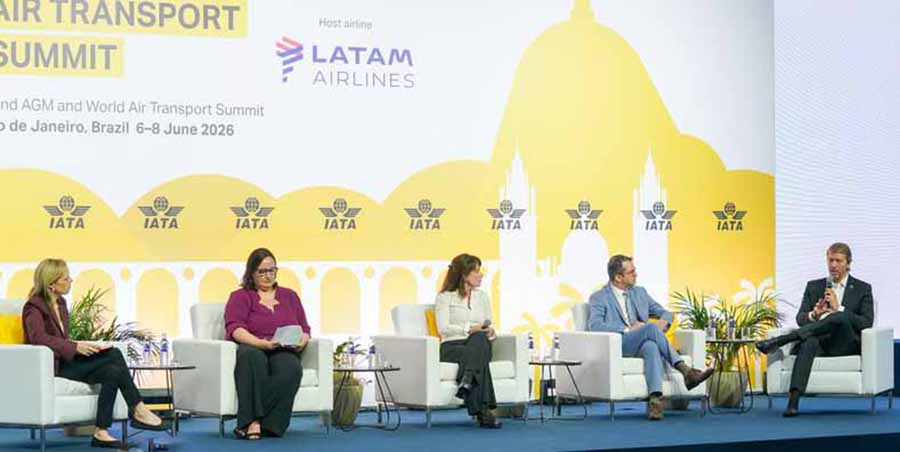
Speaking at the IATA 2026 congress in Rio de Janeiro, Willie Walsh said engine OEMs must resolve supply issues. New aircraft sit on the ground awaiting engines. Older aircraft remain in service longer than planned. The industry has lost patience with delays. OEMs report high profitability while airlines face costs.
Fuel costs have risen 70pc this year. Engine problems add to the burden. Airframe manufacturers show some progress. Spare parts and repairs remain constrained. The situation creates operational disruption across the network.
Willie Walsh shared: “It’s very disappointing to see the delays and it’s principally an issue of being able to replace older aircraft that have continued in operation. The engine OEMs need to get their act together. They need to sort this problem out. We’ve lost patience. They’re doing financially extremely well while inflicting significant financial pain on the industry and it’s just unacceptable that that continues.”