
IAG and Lufthansa are scaling back planned capacity for the final quarter of the year. In contrast Ryanair and Wizz Air continue to grow their intra-European networks. Analysis shows overall European air capacity is still expected to rise by 5.6pc per year on year. The divergent strategies reflect differing approaches to demand and costs in the current market.
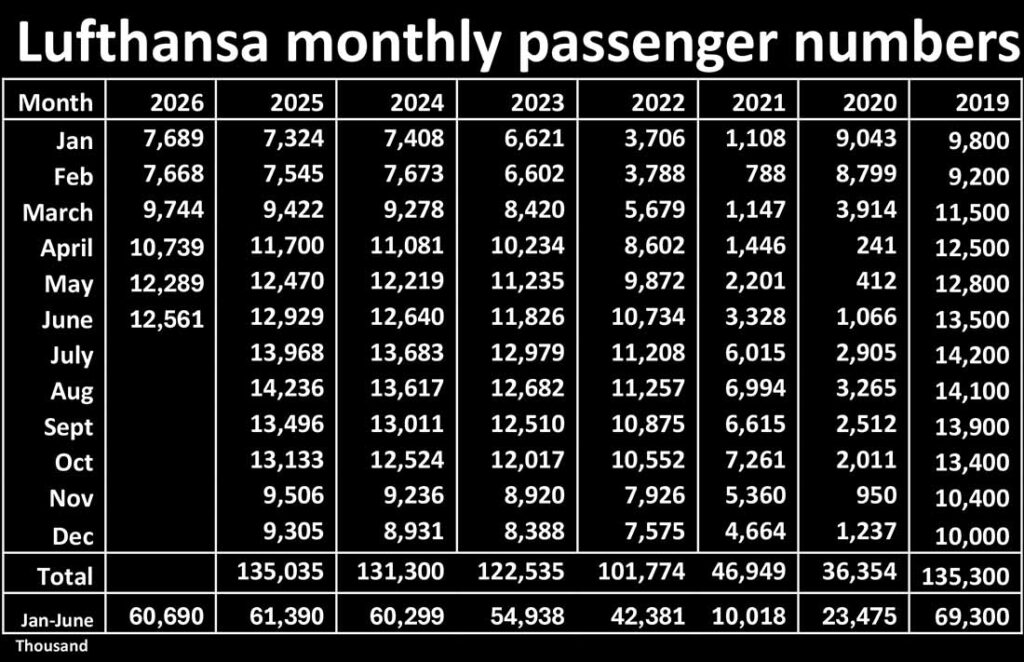
The European aviation sector enters the later months of 2026 with a clear split in operational thinking between the major legacy groups and the leading low-cost carriers. IAG, the parent company of Aer Lingus, British Airways, Iberia and Vueling, has adjusted its full-year capacity outlook to remain flat against 2025 levels after earlier projections of growth near three per cent. Lufthansa Group has taken similar steps, implementing reductions across short-haul, medium-haul and long-haul flying while accelerating fleet adjustments. These decisions stand against the continued expansion of Ryanair and Wizz Air, whose seat numbers and available seat kilometres keep rising across core European markets.
Fuel costs form one central factor in the recalibration. Higher kerosene prices have persisted through the year and force carriers with more complex cost structures to prioritise routes that support stronger unit revenues. Legacy groups operate larger widebody fleets and maintain extensive hub-and-spoke networks that carry higher fixed expenses. When fuel remains elevated they respond by trimming frequencies on thinner routes and retiring older aircraft types earlier than originally scheduled. Lufthansa has confirmed the permanent removal of capacity from Lufthansa CityLine operations, the retirement of remaining Airbus A340-600 aircraft and the temporary grounding of selected Boeing 747-400s. IAG has likewise revealed that European short-haul capacity fell by 2.8pcin the first half amid intense competition in leisure markets.
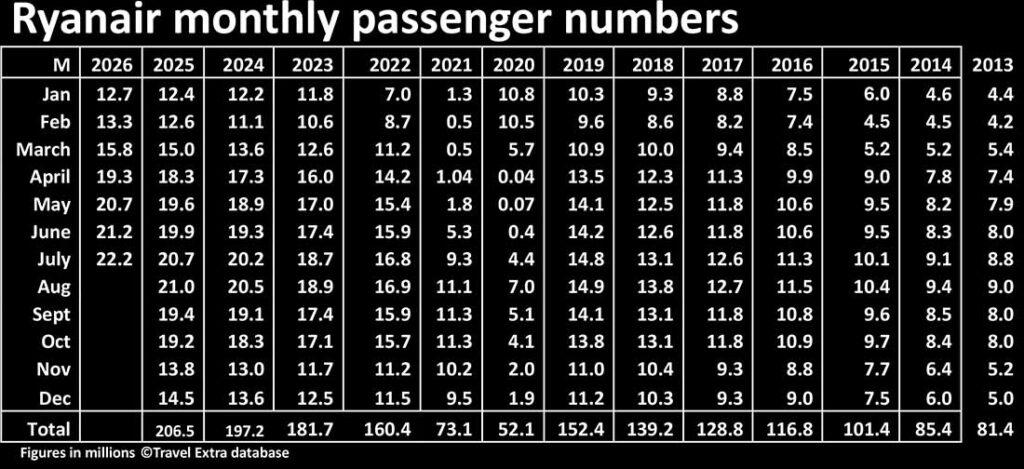
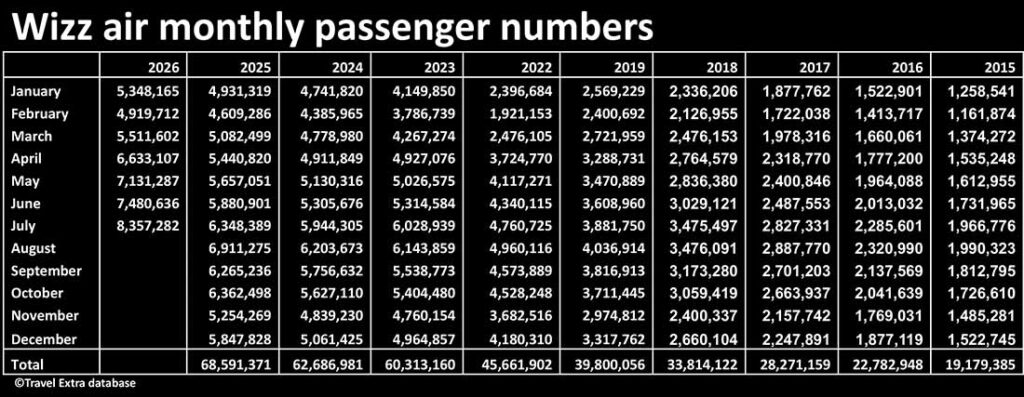
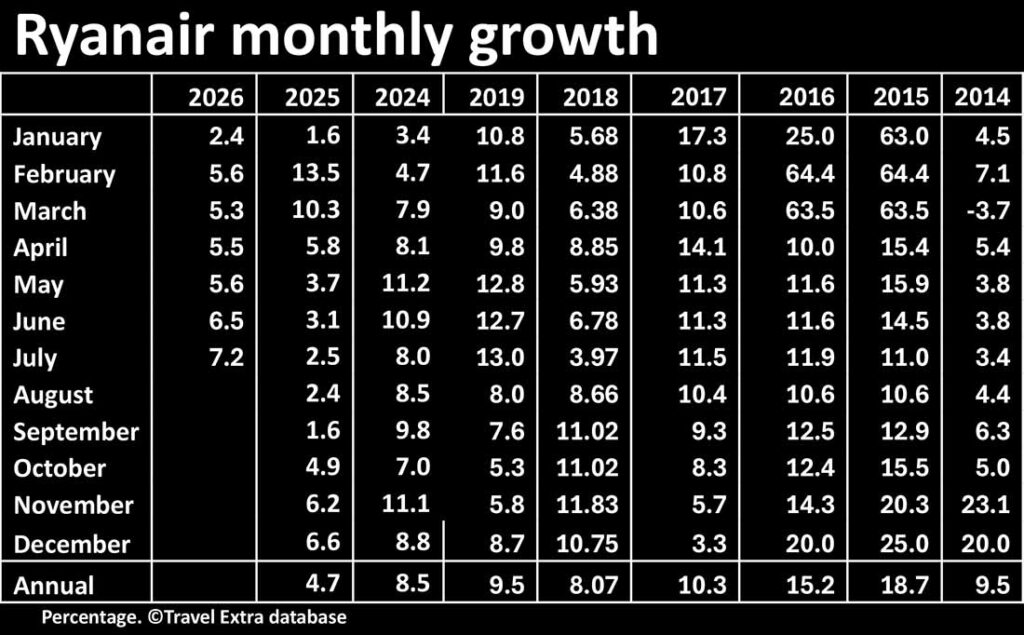
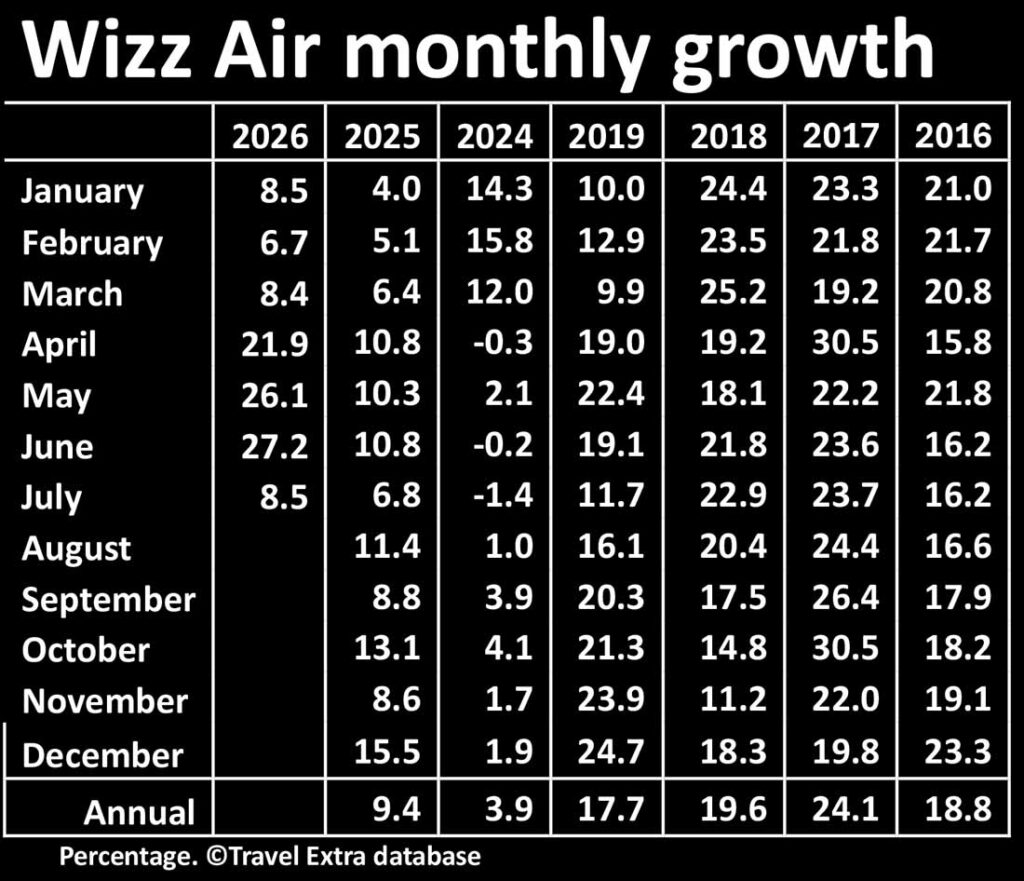
Engine availability adds a further constraint. Several Airbus A320neo-family aircraft across the industry have faced prolonged grounding linked to Pratt and Whitney geared turbofan issues. Iberia within the IAG group has reduced selected short-haul flying for this reason. Wizz Air, by contrast, has managed a phased return of grounded aircraft and now projects strong summer growth followed by more measured expansion. The ultra-low-cost carrier has confirmed plans for available seat kilometre increases in the mid-teens during the coming winter before settling into a longer-term annual target range of ten to twelve per cent. Ryanair has maintained its position as the largest carrier by seats in Europe, adding more than six per cent year on year in recent monthly data.
The low-cost model benefits from simpler operations, higher aircraft utilisation and a focus on point-to-point routes that respond quickly to demand shifts. Ryanair and Wizz Air concentrate growth in markets where price sensitivity remains high and where secondary airports offer lower charges. Spain, Italy, England and Central and Eastern Europe continue to receive additional frequencies. Domestic capacity across Europe has risen by 5.6pcin recent comparisons, with low-cost carriers accounting for a larger share of the overall increase. Mainline carriers still hold roughly 60pc of total European seats, but their growth rate lags behind the low-cost segment.
Passengers experience these strategic choices in different ways according to the type of travel they undertake. Those seeking the lowest fares on popular leisure routes between Ireland and Spain, or within Central Europe, find expanded choice and competitive pricing from Ryanair and Wizz Air. Business travellers and those connecting through major hubs such as London Heathrow, Frankfurt or Madrid Barajas may encounter fewer frequencies on certain feeder routes. IAG has reduced some short-haul flying that previously supported long-haul connections, while Lufthansa consolidates traffic across its six group hubs. The net effect is a market in which total capacity continues to expand, but the distribution of that capacity shifts toward carriers with lower unit costs.
Airport operators also adapt to the changing mix. Secondary airports that rely heavily on low-cost traffic report stronger growth in aircraft movements and passenger numbers. Primary hubs face the task of filling slots that become available when legacy carriers trim schedules. Istanbul has overtaken Heathrow in recent monthly passenger rankings, illustrating how geographic position and airline strategy can alter traditional hierarchies. Spanish airports continue to benefit from strong domestic and intra-European demand, with overall seat capacity into Spain rising by more than five per cent in comparative data.
Cost discipline extends beyond fuel. Labour expenses, airport charges and the need to fund fleet modernisation all influence decisions. Lufthansa has confirmed further administrative cost savings and an accelerated allocation of new Airbus A350-900 aircraft to its Discover Airlines leisure subsidiary. IAG has revealed non-fuel unit cost expectations that remain flat when currency effects are included, a position made possible by the decision to hold capacity steady. Low-cost carriers maintain structural advantages in these areas through higher seat densities, faster turnarounds and a narrower range of product offerings.
The wider economic environment shapes demand patterns that carriers must address. Leisure travel has proved resilient, with many consumers choosing to adjust spending rather than cancel trips entirely. Short-haul European routes remain the most responsive to price and capacity changes. Long-haul markets show greater variation, with some Middle East-related suspensions continuing to affect network planning at both IAG and Lufthansa. Asia-Pacific routes have shown recovery in certain segments, while transatlantic flying retains its importance for premium revenue at British Airways and Lufthansa.
Competition authorities and regulators watch these developments closely. The concentration of growth among a small number of low-cost carriers raises questions about market structure in individual country pairs. At the same time, the capacity discipline shown by legacy groups may support yield recovery and help stabilise industry profitability after periods of rapid post-pandemic expansion. Overall European capacity is still projected to rise, but the rate of increase has moderated compared with earlier expectations.
Fleet strategy forms another point of divergence. Legacy groups accelerate the retirement of older, less efficient aircraft while managing the delivery schedule of new types. Low-cost carriers continue to take large numbers of new single-aisle aircraft, although engine reliability issues have forced temporary adjustments. The net addition of seats therefore comes disproportionately from the low-cost sector in the near term. This pattern influences the age profile of the European fleet and the industry’s progress toward lower emissions per passenger kilometre.
Looking at specific markets, the Engliand to Spain corridor remains one of the largest international flows. Additional low-cost capacity supports high volumes of leisure traffic during the summer and shoulder seasons. Domestic Spanish routes also show growth, benefiting Vueling within IAG even as the group trims elsewhere. In Germany, Lufthansa’s reductions on certain domestic feeders coincide with expansion by competitors at secondary airports. Eastern European markets continue to attract Wizz Air capacity as the carrier rebuilds following earlier operational disruptions.
The analytical question centres on sustainability of the two approaches. Legacy groups protect margins by matching capacity more tightly to demand that can support higher fares and ancillary revenue from premium products. Low-cost carriers pursue volume growth to spread fixed costs and stimulate new demand through low fares. Both strategies can succeed in different segments of the market provided external cost pressures remain manageable. Fuel price movements in the coming months will test the resilience of each model.
Airline management teams have confirmed that further adjustments remain possible if conditions change. Winter schedules for 2026-2027 already incorporate the capacity reductions planned by IAG and Lufthansa. Low-cost carriers have revealed more ambitious growth figures for the same period, though they too monitor unit costs closely. The result is a European aviation market that expands overall while becoming more polarised in its competitive structure.
Industry data providers show that low-cost carriers increased capacity by 8.7pcin recent monthly comparisons against 1.8pcfor mainline operators. This differential compounds over successive seasons and gradually alters market shares. Ryanair’s seat numbers exceed twenty-two million in peak months, placing it well ahead of any single legacy brand. Wizz Air’s growth rate of more than 27pc in one recent period demonstrates the scale of recovery and expansion possible once grounded aircraft return.
For the travelling public the practical outcome is greater choice on many leisure routes and potentially tighter availability on certain business and connecting itineraries. Travel management companies and online platforms adjust their offerings accordingly, directing more volume toward the expanding low-cost networks where appropriate. Corporate travel policies continue to balance cost against schedule reliability and product quality, areas in which legacy carriers still hold advantages on many long-haul and premium routes.
The final quarter of 2026 therefore serves as a test of strategic clarity. IAG and Lufthansa have chosen restraint in capacity deployment. Ryanair and Wizz Air have chosen continued expansion within their established model. Overall European air capacity rises by the projected 5.
6 per cent, but the composition of that growth reveals two distinct philosophies operating side by side within the same market. The coming months will show which approach delivers the stronger combination of volume, yield and profitability as the industry moves through autumn and into the winter season.
Related posts:
 CRISIS chronicles: The FOUR previous times Aer Lingus almost failed
 ANALYSIS: What Easyjet does NEXT – Investors await next go-around as profits hit by fuel price
 Michael Dodds launches ‘Year of the Normans’ campaign with lavish ceremony in Caen
 The SIX factors that changed Aer Lingus from profit to loss