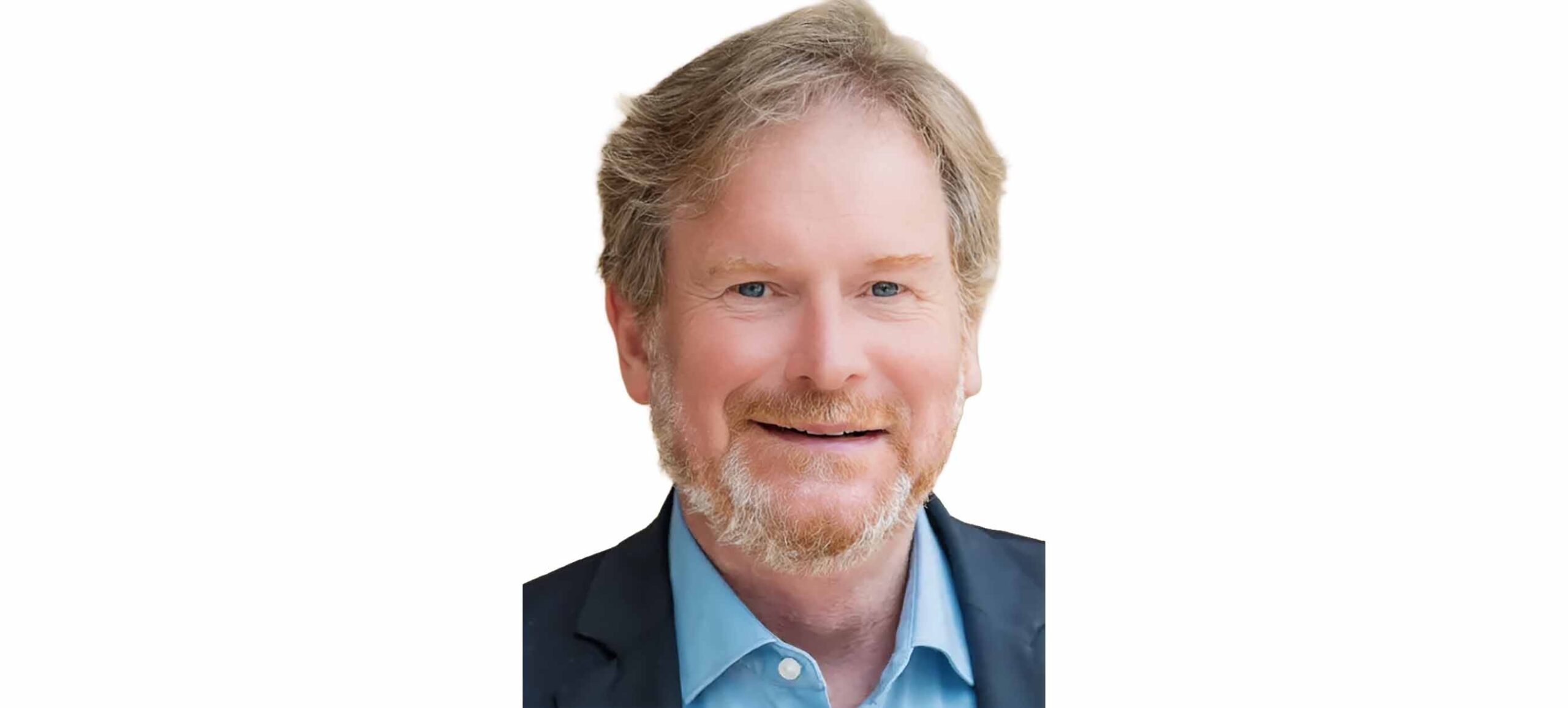
William the Conqueror would be amused at how much of a stir the millennium of his birth has created. The indefatigable MD of Normandy Tourism, Michael Dodds, has launched ‘Year of the Normans’ campaign with lavish ceremony at the Abbaye aux Dames in Caen, Normandy. An elaborate programme of events has been devised in the countries that the Normans visited, fought, and conquered, and many places that they did not.
The initiative marks the one thousandth anniversary of the birth of William in 1027 at Falaise and extends across borders to recognise the reach of Norman influence in medieval times.
The global cultural campaign “Millenium, 2027, European Year of the Normans”, brought together officials from Normandy and partner regions to outline the schedule of activities planned for 2027. The programme includes exhibitions reconstructions of historical scenes and educational initiatives that trace the paths taken by Norman forces and settlers from the eleventh century onward.
The lavish ceremony introduced an ambitious, trans-European initiative marking the 1,000th anniversary of the birth of William the Conqueror. Spanning Normandy, Ireland, England, Wales, Southern Italy, the Channel Islands, Flanders, Denmark, and Norway, the yearlong 2027 festival will feature over 1,000 interconnected projects celebrating shared medieval heritage, identity, and historic innovation.
Michael Dodds spearheaded the cross-border program alongside local government and international cultural ambassadors to drive heritage tourism. It will feature a vibrant international calendar packed with contemporary art exhibitions, music, theatrical performances, historical trails, and student exchange programmes,
While designed as a major boost for tourism and international relations, the broad campaign has reopened deep academic and political debates regarding the long-term impact and controversial colonial nature of Anglo-Norman history.
Normandy Tourism has coordinated with authorities in England, Jersey, Italy, Sicily and other locations to create a network of events that celebrate shared heritage. In England the focus falls on sites connected to the Battle of Hastings in 1066 where William secured victory and began the Norman conquest. Organisers have revealed plans for living history displays at Battle and nearby locations to illustrate the tactics and daily life of the period. These activities aim to engage both local residents and international visitors with accurate portrayals based on historical records.
It mattered not that the promotional material misspelt millennium (using a single n). William the Conk was illiterate himself and could not read or write, focussing on martial matters and leaving the writing to clerics.
Dublin and Wexford
Ireland will make two contributions to the commemoration. In Dublin, The National Museum of Ireland’s landmark Norman exhibition, titled Deeds and Misdeeds: Ireland and the Norman World, is scheduled for 2027. The landmark exhibition is co-curated by the National Museum of Ireland and the National Library of Ireland and will be being presented at the Museum of Archaeology on Kildare Street. The exhibition tThe Norman Themed Visitor Centre is scheduled to open in summer 2027. Designed by architects Hawkins\Brown, this €10m project is being built on the Quayside footprint of the historic, protected former Bank of Ireland building and an adjacent Grain Store.
The centre will off a permanently home for The Ros Tapestry, a massive cultural project featuring 15 giant hand-stitched panels that depict early Norman history in Ireland’s Southeast. Visitors can explore immersive, tech-driven displays highlighting prominent Norman historical figures like William Marshal and Isabel de Clare. Family-friendly activities will include simulated sword fighting and jousting.
A new modern pavilion and link structure will unify the two historic buildings, creating a central planted courtyard for outdoor dining. A special map of Norman Wexford will be integrated directly into the brickwork of the courtyard floor. The centre will serve as the primary focal point and gateway for The Norman Way, a heritage trail winding across authentic medieval locations from Rosslare Harbour to New Ross.
The Irish programme alone includes over 130 planned events, featuring a flagship exhibition by the National Museum of Ireland.
All the way to Italy
The campaign extends to Sicily where Norman rulers established a kingdom that blended cultures from Europe Africa and the Middle East. Events in Palermo and other cities will explore the architectural legacy of the era including cathedrals and palaces that reflect unique artistic syntheses. Similar programmes appear in France beyond Normandy with attention to the duchy origins and the expansionist policies that defined the time. The inclusion of places the Normans did not reach allows for broader discussion of how legends and influences spread through storytelling and cultural exchange.
Michael Dodds has driven the project with determination that reflects his long service in tourism promotion for the region. His team has secured funding from public and private sources to support the year long calendar with estimates for total investment reaching €15m across participating areas. This sum covers venue preparations marketing materials and specialist contributions from historians and performers. The approach ensures high standards in content delivery while promoting economic benefits through increased visitor numbers to participating destinations.
Governance & law
The Norman story offers rich material for exploration of themes such as governance law and military organisation. William introduced feudal structures to England that shaped land ownership for centuries and influenced legal practices still evident in common law traditions. Events will examine these developments through seminars and interactive sessions that encourage participants to consider the long term consequences of the conquest. In Normandy itself the birthplace at Falaise Castle will host a centrepiece exhibition with artefacts and digital reconstructions that detail the early life of William and the political intrigues of his youth.
Travel operators have begun to incorporate the Year of the Normans into package offerings that combine visits to multiple sites across countries. Routes may start in northern France proceed to southern England and extend to Mediterranean locations linked by Norman history. Such itineraries provide context for the scale of ambitions that drove expansions from the Viking roots of the Normans to their roles as rulers and builders. Organisers confirmed that accessibility measures will be in place to welcome diverse audiences including educational groups and families.
The programme avoids simple glorification and instead presents a balanced view of conquest and integration. Norman arrivals often adopted local customs while imposing new administrative systems which led to hybrid societies in conquered territories. Discussions at events will address both the conflicts and the periods of stability that followed. This method enriches understanding and connects the medieval past to contemporary questions of identity and cultural fusion.
In the Channel Islands such as Jersey and Guernsey which experienced Norman influence through ties to the Duchy additional activities will mark the anniversary. These locations retain elements of Norman French language and legal traditions that persist into the present day. Local authorities have revealed collaborations with Normandy Tourism to stage joint performances and heritage walks that trace these connections. The year 2027 thus serves as an opportunity to strengthen regional partnerships across the English Channel.
Funding allocations include provisions for infrastructure improvements at key historical monuments to handle expected visitor increases. Repairs to pathways and interpretation panels at sites in Hastings and Falaise form part of preparations that will leave lasting benefits beyond the campaign period. Michael Dodds confirmed that sustainability principles guide the planning with emphasis on low impact transport options for attendees and digital alternatives to reduce physical crowding at sensitive locations.
Legacy in architecture
The Norman legacy in architecture receives particular attention through tours of Romanesque churches and fortifications. Structures like the Tower of London originally built by William as a stronghold exemplify the defensive strategies employed during the conquest phase. Guided visits will incorporate expert commentary on construction techniques and the social purposes behind such buildings. Similar focus in Sicily highlights the Arab Norman styles that emerged under their rule and demonstrate cultural adaptation.
Educational components target schools and universities with resource packs and virtual reality experiences that allow students to engage with the period. These tools recreate battles court scenes and daily routines to make history accessible. Partnerships with institutions in multiple countries ensure consistent messaging while allowing for local perspectives on the impacts of Norman activities. The initiative revealed by Michael Dodds positions the anniversary as a catalyst for renewed interest in medieval studies.
Monetising the Normans
Economic projections suggest that the Year of the Normans could generate additional tourism revenue of over €50m in Normandy alone through direct spending on accommodation dining and attractions. Spillover effects will benefit connected regions as visitors extend their journeys to include multiple stops on the Norman trail. Hotels and restaurants in participating towns prepare by training staff on the historical context to enhance guest interactions.
Challenges arise in coordinating such a wide ranging programme across different national jurisdictions. Differences in regulations for public events and heritage management require careful negotiation to align schedules and standards. Michael Dodds and his counterparts have established working groups that meet regularly to address these issues and ensure smooth implementation. The effort demonstrates the value of cross border cooperation in cultural projects.
Public engagement forms a core element with free entry days at museums and open air festivals that feature music dance and crafts inspired by the eleventh century. Reenactment societies will participate with authentic costumes and equipment to bring battles and sieges to life for spectators. Safety protocols and historical accuracy guide these displays to provide informative rather than sensationalised presentations.
Navigation nations
The campaign also addresses the maritime aspects of Norman power through events focused on shipbuilding and navigation. The vessels used for the invasion of England required advanced skills in construction and seamanship that drew on Viking traditions. Exhibitions in ports such as Rouen will display models and explanations of these technologies alongside stories of the crossings that changed European history.
For 2027, the European Year of the Normans, the Bayeux Tapestry will be on display at the British Museum in London through July 11, 2027, before returning to France for the reopening of its newly renovated home museum in Normandy. Conservation efforts tied to the anniversary will protect such treasures for future generations. Scholars will present new research findings at conferences that add to the body of knowledge on the Norman era.
The programme extends into autumn with harvest themed events that connect to medieval agricultural practices introduced or modified under Norman rule. These gatherings combine history with local produce and traditions to create memorable experiences for attendees. The full calendar will be available through dedicated websites and tourism offices well in advance to facilitate travel planning.
Transforming territories
William the Conqueror transformed territories through decisive actions and strategic marriages that consolidated power. The Year of the Normans provides a framework to explore these achievements within the context of their time while recognising the human costs involved. Events maintain focus on facts drawn from primary sources to deliver credible accounts.
Michael Dodds deserves recognition for steering the campaign through its early stages and building enthusiasm among stakeholders. His leadership has united diverse groups around a common historical figure whose influence continues to resonate. The launch ceremony set a tone of celebration and reflection that will carry through 2027.
The initiative stands as a testament to the enduring fascination with the Norman period and its role in shaping nations. Through coordinated efforts across countries the millennium offers a chance to appreciate the complexities of the past and the connections that bind regions together.