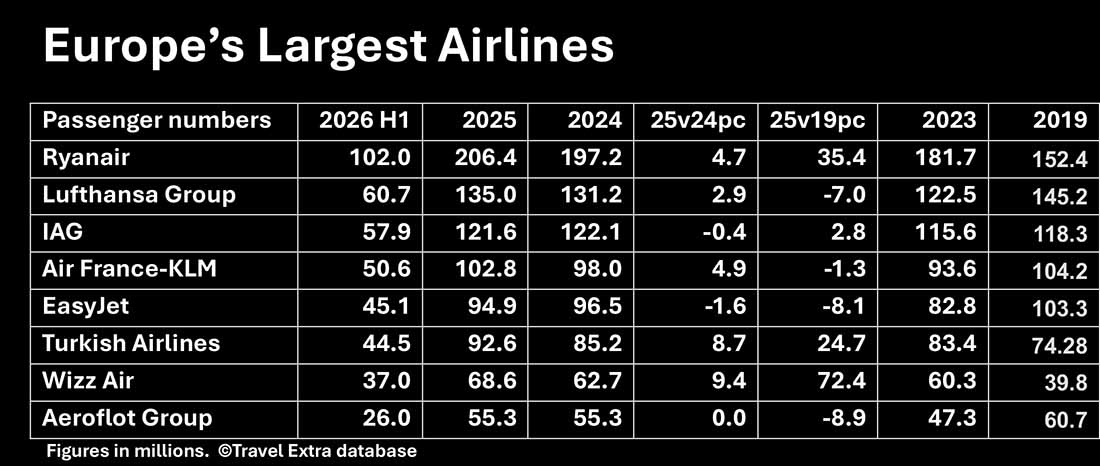
Easyjet investors are facing an exciting few weeks. As the deadline approaches for the private stakeholder’s attempts to bring the airline into private hands, with Apollo’s bid leading and Castlelake considering a response, the renewal of hostilities in the Gulf, a sharp decline in profit in the latest quarterly report, speculation over the airline being broken up, and a cacophony of opinion and advice in the background, it is by no means clear where the next go-around of Europe’s fifth largest airline will take us.
The situation at Easyjet reflects the pressures that define the low cost carrier sector in the current climate. Private equity interest has intensified in recent months with Apollo Global Management putting forward a proposal valued at around €6.6 billion that the board has confirmed as superior to the previous indication from Castlelake. This shift came after initial agreement in principle with the latter firm, only for the board to reveal preference for the higher cash offer at €7.15 per share. Such manoeuvres demonstrate the value that financial sponsors see in the carrier’s network across Europe even amid operational challenges.
The renewal of tensions in the Gulf region has added layers of uncertainty to operations for many airlines including Easyjet. Rerouting of flights to avoid affected airspace has increased fuel consumption and extended journey times on routes that connect European hubs to destinations further afield. While Easyjet maintains a primary focus on short haul services within Europe the indirect effects through higher fuel prices and disrupted supply chains have contributed to cost pressures felt across the industry.
The latest trading update for the quarter ended in June confirmed a headline profit before tax of €100m approximately compared with a stronger performance in the same period of the prior year. This outcome aligns with expectations adjusted for the external environment but still represents a reduction that investors must weigh against the resilience shown in passenger numbers.
Better in smaller parts?
Speculation persists regarding the potential breakup of the airline into constituent parts perhaps separating the core flight operations from the growing holidays division. Such discussions arise because private equity buyers often seek to realise value through targeted restructuring after acquisition. In the case of Apollo the proposal includes provisions that allow certain existing shareholders to retain a stake which could facilitate a smoother transition to private ownership. This element distinguishes the offer and may appeal to those who wish to participate in any future upside once the company delists from public markets. Castlelake, its bid led by two Irish aviation expiters Peter Bellew and Mark Breen, continues to consider its position and the possibility of an improved counter offer cannot be ruled out in the coming days as the deadline draws nearer.
The board of Easyjet has acted with a view to securing the best immediate return for shareholders while considering the long term direction of the business. Their decision to back the Apollo proposal after reviewing the details revealed a clear assessment of the strategic fit and the capital commitment on offer. Observers note that the premium over the prior bid reflects confidence in Easyjet’s brand and its position in competitive markets such as the England, France, Italy and Germany. The airline operates hundreds of routes and maintains a fleet that has been modernised in recent years with efficient aircraft types that help manage costs when fuel prices rise.
Broader economic conditions play a role in shaping the outlook. Inflation in fuel and labour costs combined with variable consumer demand for leisure travel have tested margins. The holidays segment has delivered growth through package offerings that bundle flights with accommodation and this area could become a focus for new owners seeking to expand revenue streams beyond seat only sales. Easyjet has built a reputation for reliability on point to point routes and this strength provides a foundation even as geopolitical factors introduce volatility.
Discipline of a public company
Critics of the privatisation push argue that public market status has imposed discipline on management and ensured transparency in reporting. Transition to private hands might allow greater flexibility in decision making but could also reduce accountability if oversight from shareholders diminishes. Proponents counter that the injection of private capital would accelerate investment in digital services fleet renewal and network expansion at a time when competitors such as Ryanair continue to grow capacity. The outcome of the current bidding process will influence the competitive landscape in European aviation for years ahead.
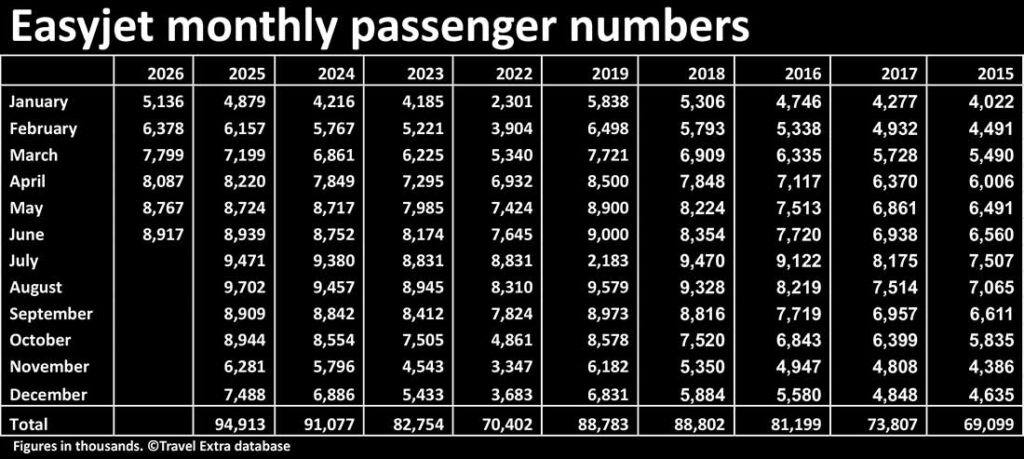
Data from recent periods shows that Easyjet carried tens of millions of passengers annually prior to the latest disruptions and achieved load factors that demonstrate strong demand on core routes. The sharp decline in quarterly profit stems in part from the Gulf situation but also from investment in capacity and technology. Management has confirmed that the late booking profile remains robust which offers some protection against economic slowdowns. However sustained high fuel costs linked to global energy market shifts could erode this buffer if not offset by fare adjustments or efficiency gains.
The involvement of major private equity names such as Apollo and Castlelake signals belief in the underlying assets of the airline. Apollo’s track record in the transport sector includes previous engagements with aviation related businesses and this experience may inform their approach to integration or operational improvements. Castlelake has a focus on asset heavy industries and their interest in Easyjet centres on the value of the slot portfolio and aircraft leases. A bidding contest between these parties could drive the final valuation higher although regulatory approvals from competition authorities in the European Union and England would be required before completion.
Apollo v Castlelake
Investors face a period of volatility as the situation evolves. Share prices reacted positively to news of the higher bid but the path to closure remains subject to due diligence and any further interventions. The founder of Easyjet retains a substantial holding and his views on the proposals will carry weight in any final determination. Past interactions between the founder and the board have occasionally been public but the current process appears focused on commercial terms.
Looking beyond the immediate takeover drama the airline must navigate seasonal patterns in travel demand. Summer peaks provide the bulk of annual profit while winter periods require careful capacity management. The use of autumn scheduling adjustments has helped in prior years to match supply with expected bookings. External shocks such as the Gulf hostilities introduce additional variables that complicate forecasting. Airlines across the continent have reported similar impacts with some reducing frequencies on longer sectors to conserve fuel.
The op-ed perspective here centres on the need for clarity and decisive action. Easyjet occupies a vital place in connecting cities and regions and its future ownership structure will affect millions of travellers. Private ownership does not automatically equate to reduced service levels or higher prices but it does shift the incentives toward efficiency and return on capital. Public listing has allowed broad participation in the company’s growth story and any move to private status should preserve elements of that accessibility where possible through the rollover mechanisms included in the Apollo offer.
Further considerations include environmental targets and the transition toward lower emission operations. Easyjet has committed to sustainability goals and new owners would need to honour or build upon these to maintain customer loyalty and regulatory compliance. The European regulatory environment demands attention to emissions trading and noise restrictions at major airports. These factors form part of the due diligence that bidding parties undertake before finalising agreements.
The profit decline in the latest report while disappointing does not erase the progress made in previous full year results where headline figures showed improvement driven by the holidays business. Conversion of currency amounts in financial disclosures to euro facilitates comparison for continental investors and underscores the cross border nature of the airline’s activities. For instance recent valuations translate previous pound sterling figures directly into equivalent euro amounts to aid analysis.
Cautious endorsement
As the deadline nears stakeholders from retail investors to institutional funds monitor developments closely. The cacophony of opinion includes analyst notes that range from cautious endorsement of the deal to calls for rejection in hope of an even higher offer. In such an environment the board must balance short term gains with the preservation of the operational integrity that has defined Easyjet since its inception.
The renewal of hostilities in the Gulf serves as a reminder of the sector’s vulnerability to events beyond its control. Extended flight paths burn more fuel and raise ticket prices which in turn can dampen demand among price sensitive customers. Easyjet’s business model relies on high volume and low fares and any persistent increase in costs challenges this equation. Management has revealed contingency plans that include hedging strategies and dynamic pricing but the full effects will only become apparent over coming quarters.
Speculation over breakup scenarios often arises in takeover situations because buyers seek to unlock value by divesting non core assets. In Easyjet’s case the separation of the holidays arm could attract specialist buyers while the airline operations remain with the primary bidder. Such restructuring carries execution risks including staff impacts and customer uncertainty during transition. The preferred path appears to maintain unity under new ownership with a focus on integrated growth.
The article has outlined the key elements at play without seeking to predict the final result. Easyjet stands at a crossroads where private capital meets geopolitical risk and internal performance metrics. The coming weeks will clarify the direction and investors must prepare for outcomes that range from successful acquisition to prolonged public status if bids fail to satisfy all parties.
The airline’s role as a major employer and connectivity provider adds weight to decisions taken in boardrooms and deal rooms across London and beyond. The narrative of European aviation continues to evolve with Easyjet as a central character in the low cost segment. Its ability to adapt to the current confluence of factors will determine success in the years ahead. Observers await the next chapter with interest as the private stakeholder process reaches its conclusion.