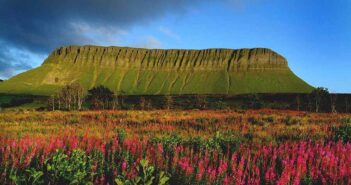
SET jetting; Move LOCATIONS in Ireland’s county SLIGO
Streedagh Beach, near Grange: This expansive, windswept sandy beach with dramatic dunes and Atlantic views featured…


Streedagh Beach, near Grange: This expansive, windswept sandy beach with dramatic dunes and Atlantic views featured…
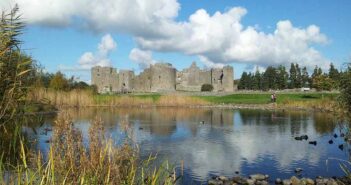
Clonalis House, near Castlerea: This grand Victorian-Italianate mansion, home to the last direct descendants of the…
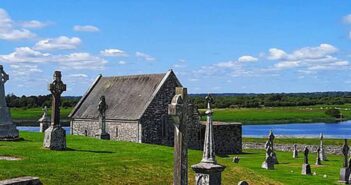
Charleville Castle, near Tullamore: This stunning Gothic Revival castle and its extensive grounds, including ancient oak…
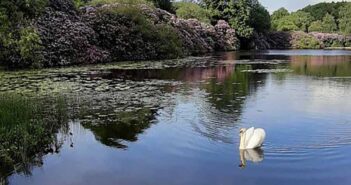
Clones town: The entire small border town served as the primary setting for The Butcher Boy…
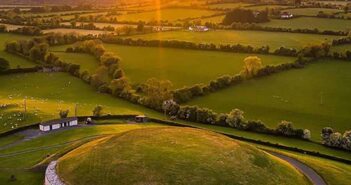
: Trim Castle, Trim: Ireland’s largest surviving Anglo-Norman castle, prominently used in Braveheart (1995) to stand…
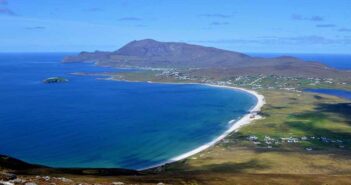
Cong village: The picturesque village that served as the primary setting for The Quiet Man (1952),…
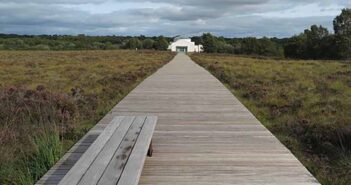
County Longford in Ireland, a quiet Midlands county with lakes, small towns, and rural landscapes,…
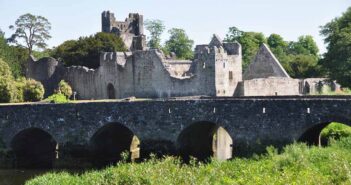
County Limerick in Ireland, home to the historic city of Limerick and picturesque villages like…
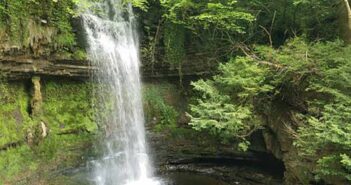
County Leitrim in Ireland, a quiet, lakeland county with rolling hills, forests, waterfalls, and rural…
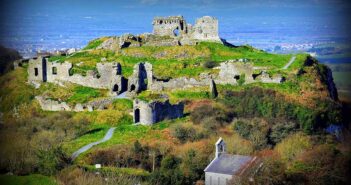
County Laois in Ireland, situated in the Midlands with its rolling countryside, historic ruins, and…
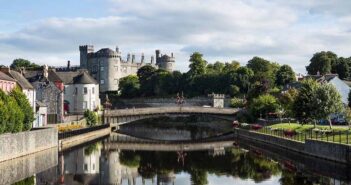
County Kilkenny in Ireland, with its medieval architecture, picturesque villages, ancient abbeys, and scenic river…
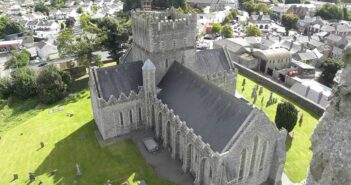
County Kildare, known for its rolling plains, historic estates, and proximity to Dublin, has served…
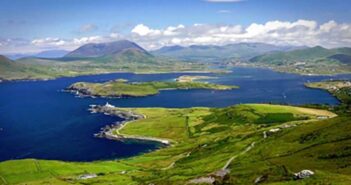
County Kerry in Ireland, renowned for its dramatic Atlantic coastline, rugged peninsulas, ancient monastic islands,…
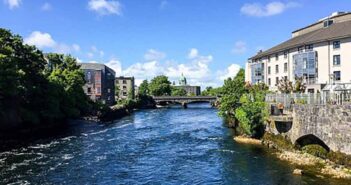
County Galway in Ireland, with its iconic Connemara landscapes, dramatic coastlines, the Aran Islands, and…
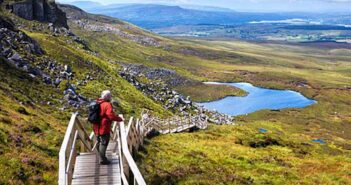
County Fermanagh, with its lakeland scenery, historic estates, and underground cave systems, has hosted filming…
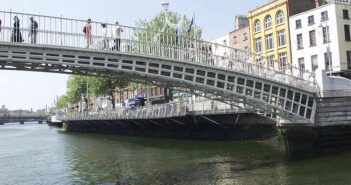
County Dublin, encompassing the bustling capital city and its surrounding suburbs and coastal areas, has…
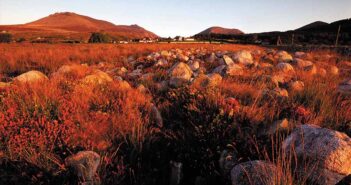
County Down stands out for its significant role in major fantasy and adventure productions, thanks…
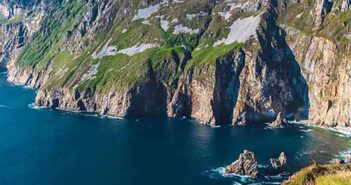
County Donegal in Ireland, the northernmost county on the island, boasts dramatic rugged coastlines, remote…
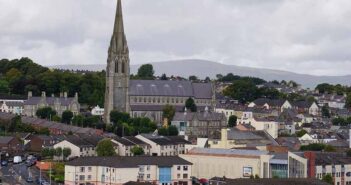
County Derry is renowned for its historical walled city of Derry, which has provided authentic…
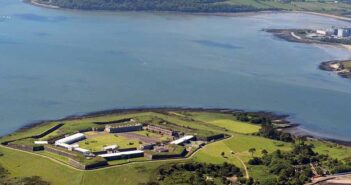
Cork comes from the Irish “Corcaigh,” meaning “marsh” or “swampy place,” derived from “corcach” (bog or…
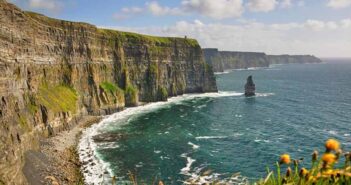
Clare comes from the Irish “An Clár,” meaning “the plain” or “level place,” likely referring to…
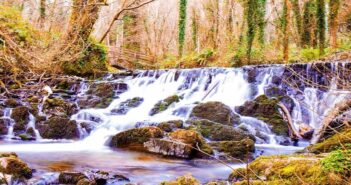
Cavan comes from the Irish “An Cabhán,” meaning “the hollow,” referring to a valley or low-lying…
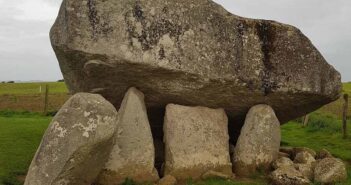
Carlow comes from the Irish “Ceatharlach,” meaning “place of cattle” or “four lakes,” possibly from “ceathar”…
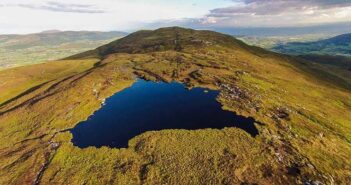
Armagh comes from the Irish “Ard Mhacha,” meaning “Macha’s height” or “high place of Macha,” referring…
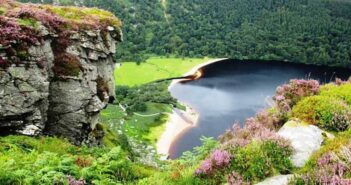
Wicklow comes from the Irish “Cill Mhantáin,” meaning “church of the toothless one,” possibly referring to…
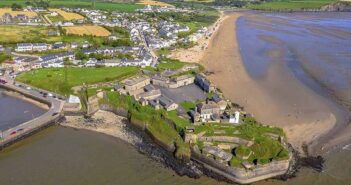
Wexford comes from the Old Norse “Veisafjǫrðr,” meaning “inlet of the mudflats” or “bay of the…
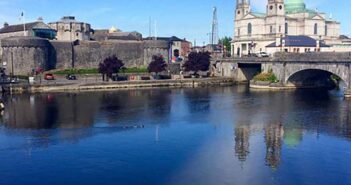
Westmeath comes from the Irish “An Iarmhí,” meaning “west of the middle,” from “iar” (west) and…
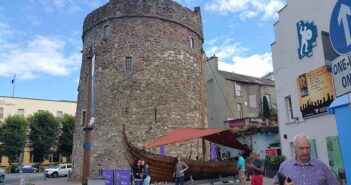
Waterford comes from the Old Norse “Veðrafjǫrðr,” meaning “windy fjord” or “ram’s fjord,” from “veðr” (weather…
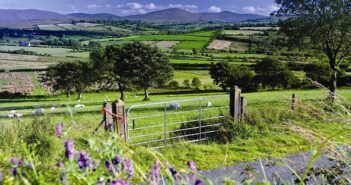
Tyrone comes from the Irish “Tír Eoghain,” meaning “land of Eoghan,” named after Eoghan, a 5th-century…
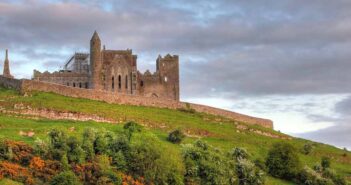
Tipperary comes from the Irish “Tiobraid Árann,” meaning “well of the Aran,” from “tiobraid” (well or…
Sligo comes from the Irish “Sligeach,” meaning “shelly place” or “abounding in shells,” from “slig” (shell)…
Roscommon comes from the Irish “Ros Comáin,” meaning “Comán’s ridge” or “wooded height,” derived from “ros”…
Offaly comes from the Irish “Uíbh Fhailí,” meaning “descendants of Failge,” referring to the House of…
Monaghan comes from the Irish “Muineachán,” meaning “place of little thickets” or “hilly land,” from “muine”…
Meath comes from the Irish “An Mhí,” meaning “the middle,” from “mí” (middle), referring to its…
Mayo comes from the Irish “Maigh Eo,” meaning “plain of the yew trees,” from “maigh” (plain)…
Longford comes from the Irish “Longphort,” meaning “fortress” or “encampment,” from “long” (ship or fort) and…
Limerick comes from the Irish “Luimneach,” possibly meaning “bare spot” or “flat land,” derived from “lom”…
Leitrim comes from the Irish “Liatroim,” meaning “grey ridge,” from “liath” (grey) and “droim” (ridge), likely…
Laois comes from the Irish “Laoighis,” meaning “place of the people of Lughaidh,” referring to a…