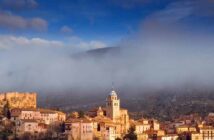
An evocative quote from the Navarrese poet Ángel Urrutia, from his 1985 collection Poemas de la tierra, reads: “Navarra, donde los montes del Pirineo guardan el eco de los antiguos reyes” (“Navarra, where the Pyrenees mountains hold the echo of ancient kings”). This line captures the region’s majestic landscapes and its storied history as a medieval kingdom, reflecting Urrutia’s deep connection to Navarra’s rugged beauty and cultural legacy.
The 2010 Spanish film The Way, directed by Emilio Estevez, references Navarra’s iconic Camino de Santiago, which winds through the region. A character muses, “En Navarra, el Camino es un sendero de estrellas que guía el alma” (“In Navarra, the Camino is a path of stars that guides the soul”). This quote evokes the spiritual and historical significance of the pilgrimage route, particularly through Navarra’s picturesque towns like Pamplona and Puente la Reina, highlighting the region’s role as a crossroads of faith and culture.
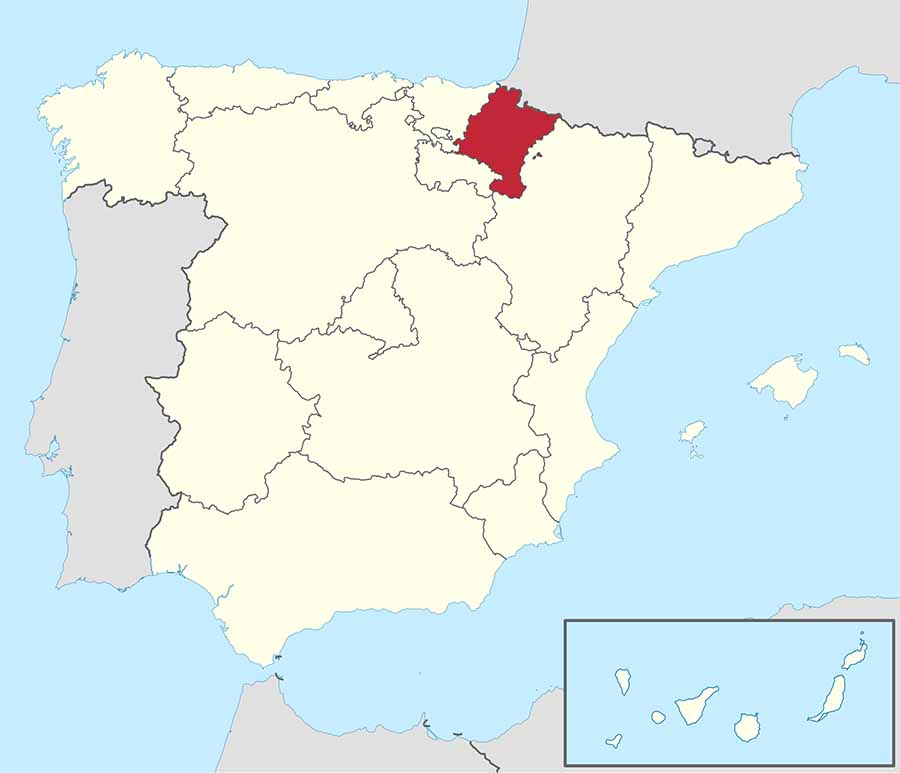
The region:
For travellers planning a summer holiday in 2026, Navarra offers a delightful blend of historical charm, natural beauty, and authentic cuisine. This northern Spanish region provides an engaging and welcoming experience, ideal for those seeking culture, outdoor pursuits, and culinary exploration.
Start your journey in Pamplona, where the Gothic Cathedral of Santa María la Real stands as a striking landmark. Its serene cloister and intricate altarpieces invite leisurely visits. Nearby, the Citadel of Pamplona, a 16th-century fortress, offers green spaces and historical exhibits, perfect for a relaxed stroll.
Nature lovers will find Navarra’s landscapes a highlight. The Irati Forest, one of Europe’s largest beech and fir woodlands, provides hiking trails through lush greenery, with streams and wildlife to discover. The Bardenas Reales, a semi-desert natural park, features dramatic rock formations and cycling paths, offering a unique contrast to the region’s forests.
History enthusiasts can explore Olite’s Royal Palace, a fairytale-like castle with turrets and courtyards. Its museum and surrounding medieval streets create a charming day trip. The Monastery of Leyre, with its Romanesque crypt and tranquil setting, offers a glimpse into Navarra’s spiritual past.
Food lovers will savour Navarra’s cuisine. Tapas bars in Pamplona’s old town, like Casa Otano, serve local dishes such as piquillo peppers stuffed with cod or hearty lamb stew. The region’s markets, including Pamplona’s Mercado de Santo Domingo, offer fresh asparagus and Roncal cheese. Navarra’s wine route, particularly around Olite, invites visitors to sample robust reds and crisp rosés at family-run bodegas.
Outdoor activities abound in Navarra’s diverse terrain. The Arbayún Gorge provides kayaking and birdwatching opportunities, with vultures soaring overhead. Cyclists can explore the Greenway of the Plazaola, a scenic route through old railway tunnels. For a gentler outing, the Señorío de Bértiz Natural Park offers shaded paths and botanical gardens.
Families will find Navarra welcoming, with free attractions like Pamplona’s Taconera Gardens, featuring peacocks and playgrounds. The village of Elizondo, with its stone bridges and quaint squares, offers budget-friendly charm. Evening walks through Pamplona’s historic quarter, followed by dinner at a local tavern, create a warm and inviting end to the day.
Cultural exploration continues in Tudela, where the Cathedral of Santa María blends Gothic and Renaissance styles. Its cloister and museum are worth a visit. For adventure seekers, the Foz de Lumbier gorge offers short hikes with stunning river views.
Navarra in the summer of 2026 promises a mix of history, nature, and culinary delights. Whether wandering medieval castles, hiking forest trails, or enjoying local wines, visitors will find this Spanish region a rewarding destination.
The visit:
The Spanish province of Navarra, located in northern Spain, is a captivating destination that blends rich history, diverse landscapes, vibrant traditions, and a burgeoning focus on sustainable tourism. Known for its Basque heritage in the north, medieval towns, and dramatic contrasts between the Pyrenees mountains and the semi-arid plains of the Ebro Valley, Navarra offers an authentic and multifaceted experience.
Cultural and Historical Attractions
- Pamplona (Iruña): The capital is a vibrant city famous for the San Fermín festival (July 6–14), featuring the thrilling Running of the Bulls, immortalized by Ernest Hemingway in The Sun Also Rises. Beyond the festival, Pamplona offers:
- Pamplona Cathedral: A 13th-century Gothic masterpiece with a neoclassical façade, Gothic cloister, and the site of many Navarrese coronations. Its calm interior and museum are ideal for history buffs.
- City Walls and Citadel: Well-preserved 16th-century fortifications, offering scenic walks and insights into Pamplona’s military past at the Interpretation Centre.
- Navarra Palace: The neoclassical seat of the regional government, featuring a Goya portrait and a tapestry of the Battle of Navas de Tolosa, accessible via guided tours.
- Plaza del Castillo: A lively square with historic buildings, a bandstand, and cafés perfect for enjoying pintxos (Basque-style tapas).
- Camino de Santiago: Navarra is a key segment of the French Way, with historic stops like Roncesvalles, home to the 13th-century Collegiate Church of Santa María, and Puente la Reina, known for its Romanesque bridge. Pilgrims and history enthusiasts can explore monasteries like Santa María de Irache, which offers a wine fountain for pilgrims.
Medieval Towns:
- Olite: Home to the Royal Palace of Olite, a 12th–13th-century castle with lavish gardens and towers, once a seat of Navarrese kings. Its fairy-tale charm makes it a must-visit.
- Ujué: A hilltop village with the 11th-century Sanctuary of Santa María de Ujué, a fortress-church housing a revered Virgin statue. Known for roast lamb and migas de pastor (shepherd’s breadcrumbs).
- Estella (Lizarra): Nicknamed “Estella the Beautiful,” this town hosts Romanesque architecture, including the Church of San Pedro and the Palace of the Kings of Navarra.
- Sangüesa: Features the 13th-century Iglesia de Santa María la Real with intricate stone carvings and a bridge over the Aragón River.
Monasteries:
- Monasterio de Leyre: A 9th-century Benedictine monastery with an 11th-century crypt, where monks sing Gregorian chants. Part of it operates as a hotel.
- Monasterio de La Oliva: A 12th-century Cistercian monastery with vineyards producing D.O. Navarra wines, cheese, and honey. Visitors can stay in its guesthouse.
- Monasterio de Iranzu: Located in the Yerri Valley, this 11th-century monastery offers Romanesque architecture and serene surroundings.
- Javier Castle: The birthplace of Saint Francis Xavier, this 10th-century castle near Sangüesa is a pilgrimage site with restored towers and a museum.
Natural Beauty and Outdoor Activities
- Navarra’s diverse geography, from the Pyrenees to the Bardenas Reales desert, is a playground for nature lovers:
- Bardenas Reales Natural Park: A UNESCO Biosphere Reserve in the south, this semi-arid desert spans 45,000 hectares with surreal rock formations like Castildetierra. Ideal for driving tours, cycling, or hiking, it’s a stark contrast to Navarra’s green north.
- Irati Forest (Selva de Irati): Europe’s second-largest beech forest, located in the Pyrenees near Ochagavía. It offers hiking trails, vibrant autumn colors, and wildlife like deer and birds.
- Sierra de Aralar: A karst massif with limestone pavements, caves, and beech groves, home to the Romanesque Sanctuary of San Miguel de Aralar at 1,200 meters. Perfect for hiking and exploring villages like Arbizu.
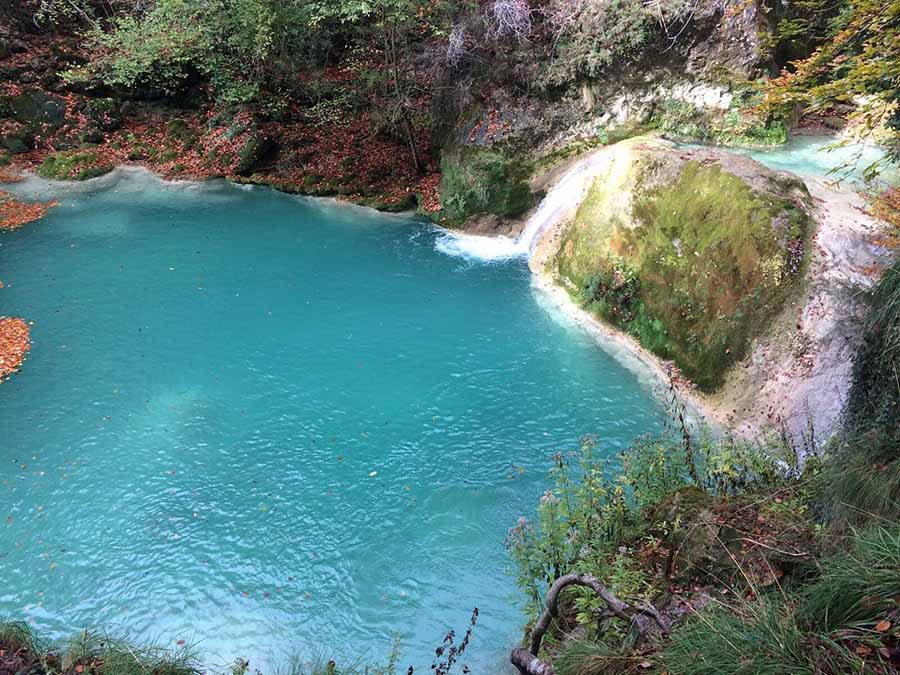
- Nacedero del Urederra: A turquoise waterfall and river in the Urbasa-Andía Natural Park, known for its stunning pools and lush trails. Access requires booking due to conservation efforts.
Caves:
- Cuevas de Zugarramurdi (Witches’ Caves): Limestone caverns linked to 17th-century witch trials, offering a mix of history and folklore.
- Urdax Caves: Subterranean grottos with stalactites and the Urtxuma River, near the French border.
- Valle del Baztán: A green valley with Basque-influenced villages like Elizondo, known for noble houses, the Arizkunenea Palace, and hazelnut chocolates (Urrakin Egina). Ideal for hiking and cultural immersion.
- Valle del Roncal: Famous for Roncal cheese, this valley near Isaba offers ski slopes, forests, and the Julián Gayarre Museum, honoring the tenor.
- Laguna de Pitillas: A wetland attracting millions of starlings in murmurations, perfect for birdwatching.
- Pyrenees: The northern mountains offer skiing, mountaineering, and adventure sports, with peaks like Mesa de los Tres Reyes (2,438m).
Culinary Delights
- Navarra’s cuisine reflects its varied landscapes, from mountain meats to Ribera vegetables:
- Pintxos: Bite-sized haute cuisine, best enjoyed in Pamplona’s old town bars like Bar Gaucho or Casa Otano.
- Dishes: Try pochas (white bean stew), cordero al chilindrón (lamb stew), trucha a la navarra (trout with ham), and cuajada (sheep’s milk curd dessert).
- Wines: Navarra’s D.O. wines, especially reds and rosés, are renowned. Visit wineries like Bodegas Chivite (founded 1674) or Bodega Inurrieta for tours and tastings.
- Local Produce: White asparagus, artichokes, piquillo peppers, and Idiazábal cheese are staples.
- Pacharán: A traditional sloe berry liqueur, often served as a digestif.
Festivals and Events
- San Fermín (July): Pamplona’s world-famous festival features bull runs, parades, and non-stop festivities. Book accommodations early, as prices soar.
- Navarrese Carnivals: Featuring Zanpantzarrak (bell-wearing characters), these are vibrant in villages like Lantz.
- Ujué Pilgrimage (April): A traditional procession to the Sanctuary of Santa María, with participants carrying crosses.
- Roncesvalles Festivals: Celebrate the Camino de Santiago and the 778 Battle of Roncevaux Pass, blending history and spirituality.
Accessibility and Climate
- Getting There: Pamplona Airport (PNA) connects to Madrid and Barcelona, with Bilbao (BIO) and Biarritz (BIQ) airports nearby. Trains link Pamplona to Madrid (3 hours) and Barcelona (4 hours), and buses serve regional towns.
- Getting Around: A rental car is ideal for exploring rural areas, though Pamplona is walkable, and buses connect major towns. The Camino de Santiago offers walking routes.
- Climate: Navarra’s climate varies: summers reach 30°C (86°F) with heat waves, winters are mild but snowy in the Pyrenees. Spring and autumn are ideal for outdoor activities.
Cultural and Tourism Initiatives
- Restoration of Tudela’s Magdalena Church: Guided tours of the restoration work on the church’s portada (façade) are scheduled for May 2026, offering visitors a chance to explore this Gothic gem during the Puente de Mayo holiday.
- Sustainable Tourism Plan (2023–2026): Navarra continues its push to become a leading sustainable destination, with €80 million in Next Generation funds. Key projects include:
- Pyrenees: Developing eco-tourism with smart parking, hiking trails, and the Eurovelo 3 cycle route. A new “Destino Pirineos de Navarra” website enhances digital access.
- Sangüesa and Pre-Pyrenees: Sustainable tourism initiatives to combat depopulation, including new trails and cultural preservation efforts.
- Zona Media: A tourism rebrand, public transport pilot, and 100 new motorhome parking spaces, plus a reservation system to manage visitor flows.
- Tierra Estella: Upgraded paths, e-bike rentals, and a chatbot for real-time visitor communication.
- Cultural Agenda: A robust 2026 cultural calendar offers with events in Pamplona and beyond, including art exhibitions, music festivals, and local markets. Check agendas on noticiasdenavarra.com for updates.
- White Asparagus Promotion: Navarra’s prized white asparagus, hand-picked from March to June, is being marketed internationally.
Infrastructure and Accessibility
- Digital Tools: New digital platforms, including websites and apps for destinations like the Pyrenees and Tierra Estella, offer advanced data analytics and real-time visitor information.
- Improved Connectivity: Enhanced bus and train schedules to rural areas, making off-the-beaten-track sites more accessible. Pamplona’s airport may see additional routes in 2026.
- Motorhome Tourism: The addition of 100 motorhome parking spaces in Zona Media caters to the growing trend of nomadic travel.
Traveller’s Tips for Visiting Navarra in 2026
- Timing: Spring (April–May) and autumn (September–October) are ideal for mild weather and fewer crowds. July’s San Fermín is vibrant but busy, book early.
- Transportation: Rent a car for rural exploration, as public transport to remote sites like Bardenas Reales or Irati Forest is limited. Pamplona’s train and bus stations are well-connected.
- Language: Spanish is universal, but Basque is spoken in the north. Basic Spanish phrases enhance interactions, though many tourism staff speak English.
- Sustainability: Support eco-friendly businesses, like wineries or casas rurales (rural guesthouses), and respect natural parks by sticking to trails.
- Budget: Navarra is affordable, with pintxos from €2 and mid-range hotels in Pamplona costing €60–100/night outside festival season. Look for package deals combining city and nature stays.
- Cultural Prep: Check visitnavarra.es for event schedules and trail updates. Respect local traditions, especially during festivals or pilgrimages.
Navarra is a microcosm of Spain’s diversity, offering medieval castles, Basque culture, dramatic deserts, and lush forests within a compact 10,390 km². Its authenticity, preserved traditions, and culinary excellence make it a refreshing alternative to overcrowded destinations. In 2026, Navarra’s sustainable tourism initiatives, restored cultural sites, and enhanced digital tools elevate the visitor experience, making it an ideal time to explore this historic kingdom. Whether hiking the Camino de Santiago, savouring pintxos in Pamplona, or marveling at the Bardenas Reales, Navarra promises unforgettable adventures.
Off the beaten track:
The Spanish province of Navarra, located in northern Spain, is a region of remarkable diversity, blending Basque culture, medieval heritage, and stunning landscapes ranging from the Pyrenees to the semi-arid Bardenas Reales. While Pamplona’s San Fermín festival and the Camino de Santiago draw many visitors, Navarra is rich with lesser-known, off-the-beaten-track locations and attractions that offer authentic experiences steeped in history, nature, and local traditions.
- Foz de Lumbier: A dramatic limestone gorge carved by the Irati River near Lumbier, this natural reserve spans 1.3 km and is surrounded by steep cliffs up to 150 meters high. It’s a haven for birdwatchers, hosting griffon vultures, Egyptian vultures, and peregrine falcons. Walk the easy 5-km trail (about 1 hour round trip) through the gorge, passing two tunnels carved for an old railway and enjoying views of turquoise waters and soaring birds. The trail is family-friendly, with picnic areas and a visitor center. Less famous than the nearby Foz de Arbayún, Lumbier sees fewer visitors, offering a serene escape even in peak season. Visit in spring or autumn for mild weather and vibrant wildlife. Bring binoculars for birdwatching and check trail conditions at visitnavarra.es.
- Ujué: A medieval hilltop village in southeast Navarra, Ujué is known for its 11th-century Sanctuary of Santa María de Ujué, a fortress-church with Romanesque and Gothic elements, housing a revered Virgin statue. The village’s cobbled streets and stone houses exude timeless charm. Explore the church’s battlements for panoramic views of the Ribera plains, savour local specialties like migas de pastor (shepherd’s breadcrumbs) or roast lamb at Casa Urrutia, and wander quiet alleys. The annual April pilgrimage attracts locals but remains low-key for tourists. Ujué’s remote location and small size (population ~180) keep it off most tourist radars, preserving its authentic Navarrese character. Pair a visit with nearby Tafalla or Olite for a day trip. Try Ujué’s almond sweets (almendras garrapiñadas) sold by local vendors.
- Monasterio de Iranzu: Located in the Yerri Valley, this 11th-century Cistercian monastery near Estella features a Romanesque cloister, Gothic church, and serene surroundings of oak and beech forests. Tour the monastery’s well-preserved rooms, including the chapter house and kitchen, and enjoy the peaceful grounds, ideal for reflection or short walks. The monks produce artisanal cheese, honey, and liqueurs, available for purchase. Unlike the more visited Monasterio de Leyre, Iranzu is Located away in a quiet valley, attracting mainly locals and Camino pilgrims. Check guided tour schedules (available in Spanish) and combine with a hike in the nearby Urbasa-Andía Natural Park. Visit in autumn for vibrant foliage.
- Valle del Baztán: A lush, Basque-influenced valley in northern Navarra, near the French border, dotted with villages like Elizondo, Arizkun, and Erratzu. Known for noble houses, green hills, and a strong Basque cultural identity. Wander Elizondo’s charming streets, visit the 18th-century Arizkunenea Palace, or explore the Xorroxin Waterfall, a hidden cascade in Erratzu. Sample local hazelnut chocolates (Urrakin Egina) and hearty dishes like cordero al chilindrón (lamb stew). The valley is ideal for hiking and cycling. Despite its beauty, Baztán remains less touristy than other Basque regions, offering an intimate glimpse into rural Navarra. Stay in a casa rural (rural guesthouse) for immersion. Visit the Baztán Museum in Elizondo for cultural insights and check for local festivals.
- Sierra de Aralar: A karst massif in northwest Navarra, near Lekunberri, featuring limestone pavements, caves, and beech groves. The Sanctuary of San Miguel de Aralar, a 9th–12th-century Romanesque church at 1,200 meters, is a spiritual and architectural highlight. Hike trails like the route to the Irumugarrieta summit (1,431m) for sweeping views, explore dolmens and megalithic sites, or visit the sanctuary, home to a revered statue of Saint Michael. The area is rich in Basque mythology and wildlife, including wild horses. Its rugged terrain and distance from major tourist hubs make Aralar a haven for adventurers and those seeking solitude. Wear sturdy hiking boots and bring a map, as trails can be remote. Visit in spring for wildflowers or autumn for golden landscapes.
- Cuevas de Zugarramurdi (Witches’ Caves): Limestone caverns in the village of Zugarramurdi, near the French border, linked to 17th-century witch trials during the Spanish Inquisition. The caves are part of a site with a Witch Museum exploring folklore and history. Walk through the atmospheric caves, carved by the Infernuko Erreka stream, and learn about the 1610 trials at the museum. The surrounding meadows and village, with Basque-style houses, add to the charm. Local festivals reenact the witch trials with bonfires. Zugarramurdi is remote and less visited than mainstream attractions, appealing to those interested in history and folklore. Combine with a visit to nearby Urdax Caves or the Baztán Valley. Visit in summer for the Zugarramurdi Zikiro Jate festival, featuring roasted lamb.
- Laguna de Pitillas: A 216-hectare wetland in southeast Navarra, near Pitillas, this nature reserve is a key stopover for migratory birds, including herons, bitterns, and millions of starlings forming mesmerizing murmurations. Walk the observatory trail to spot birds, especially during autumn migrations, and enjoy the serene landscape of reeds and water. The visitor centre offers binoculars and guided tours (book via turismonavarrarural.com). Known mainly to birdwatchers and locals, Pitillas is a tranquil retreat far from Navarra’s busier sites. Visit at dawn or dusk for murmurations (October–November). Bring a camera with a zoom lens and check weather conditions, as paths can be muddy.
- Valle del Roncal: A mountainous valley in northeast Navarra, near Isaba, known for Roncal cheese (D.O. Idiazábal), traditional shepherding culture, and the Pyrenean peaks of Mesa de los Tres Reyes. Explore villages like Roncal, with its stone houses and Julián Gayarre Museum (dedicated to the opera tenor), or hike to the Larra-Belagua ski resort for summer trails. Sample cheese at local dairies and enjoy dishes like migas de pastor. The valley hosts colorful festivals, including the Orhipean in August. Its remote Pyrenean location and focus on local traditions make Roncal a hidden gem for cultural and outdoor enthusiasts. Visit in autumn for cheese festivals or winter for skiing. Stay in a casa rural and pair with a trip to the nearby Irati Forest.
- Facería 60 (Sierra de Ugarra): A remote highland area in the Pyrenees, near Vera de Bidasoa, this pastoral landscape is a shared grazing land (facería) between villages, reflecting ancient communal traditions. It features meadows, forests, and views of the Bidasoa Valley. Hike trails through rolling hills, spot grazing sheep and horses, and discover megalithic dolmens like Axpuru. The area’s solitude and cultural significance offer a unique glimpse into Navarra’s pastoral heritage. Its isolation and lack of tourist infrastructure make Facería 60 a secret even among locals, ideal for intrepid hikers. Use a GPS or guide, as trails are unmarked. Visit in summer for accessible paths and combine with Zugarramurdi or Baztán.
- Pozo de los Aines (Lakuntza): A hidden karst spring in the Arakil Valley, near Lakuntza, this emerald pool is surrounded by cliffs and legends of lamias (mythical Basque water nymphs). It’s a short hike from the village, offering a magical, secluded spot. Trek 2 km from Lakuntza to the spring, where crystal-clear water emerges from a cave. The surrounding forest and cliffs create a fairy-tale atmosphere, perfect for photography or quiet contemplation. Known mainly to locals and Basque mythology enthusiasts, the pozo remains a well-guarded secret due to its small size and remote access. Wear sturdy shoes, as the path can be slippery. Visit in spring for lush greenery and respect the site by not swimming to preserve its ecosystem.
What’s New for 2026 in Navarra’s Off-the-Beaten-Track Scene
- Sustainable Tourism Plan (2023–2026): Navarra’s €80 million initiative emphasizes eco-tourism in remote areas:
- Pyrenees: New hiking trails and smart parking in Valle del Roncal and Facería 60, with a “Destino Pirineos de Navarra” website for digital access.
- Zona Media: A reservation system for sites like Foz de Lumbier to manage visitor flows, plus e-bike rentals for rural exploration.
- Tierra Estella: Upgraded paths near Monasterio de Iranzu and a chatbot for real-time visitor info.
- Digital Enhancements: New apps and platforms in 2026 provide virtual tours of lesser-known sites like Sierra de Aralar’s dolmens, making them more accessible to planners.
- Cultural Events: Smaller festivals in villages like Ujué and Valle del Baztán are being promoted via noticiasdenavarra.com, highlighting local crafts, music, and gastronomy.
- Eco-Tourism Focus: Efforts to preserve unspoilt areas like Laguna de Pitillas and Pozo de los Aines include guided eco-tours and stricter conservation measures.
Traveller’s Tips for Exploring Navarra’s Hidden Gems
- Transportation: A rental car is essential for remote sites like Facería 60 or Valle del Roncal, as public transport is sparse. Pamplona’s bus network serves some towns, but schedules are limited.
- Timing: Spring (April–May) and autumn (September–October) offer mild weather and vibrant landscapes. Avoid winter for high-altitude hikes due to snow.
- Local Engagement: Chat with locals at village bars or markets for insider tips. Navarra’s residents are proud of their heritage and often share hidden spots.
- Sustainability: Stick to marked trails in natural areas like Foz de Lumbier or Laguna de Pitillas to protect ecosystems. Support local producers by buying cheese, wine, or crafts.
- Cultural Prep: Learn basic Spanish or Basque phrases, as English is less common in rural areas. Check visitnavarra.es for trail maps and event updates.
- Gear: Bring hiking boots, binoculars for birdwatching, and layers for variable mountain weather.
Navarra’s hidden gems offer an authentic journey through Spain’s northern soul, from mystical caves and emerald springs to medieval villages and rugged mountains. These lesser-known spots reveal the region’s Basque roots, pastoral traditions, and natural splendour without the crowds of Pamplona or the Camino’s main routes. In 2026, enhanced sustainable tourism efforts and digital tools make it easier to discover these treasures, ensuring a memorable and immersive experience in one of Spain’s most diverse provinces.
Spain region by region
Almería – Andalusia – Aragón – Asturias – Basque Country – Cádiz – Cantabria – Catalonia – Córdoba – Extremadura – Fuerteventura – Galicia – Gran Canaria – Granada – Huelva – Ibiza – Jaén – La Mancha – La Rioja – Lanzarote – León – Madrid – Majorca – Málaga – Menorca – Murcia – Navarra – Seville – Tenerife – Valencia –