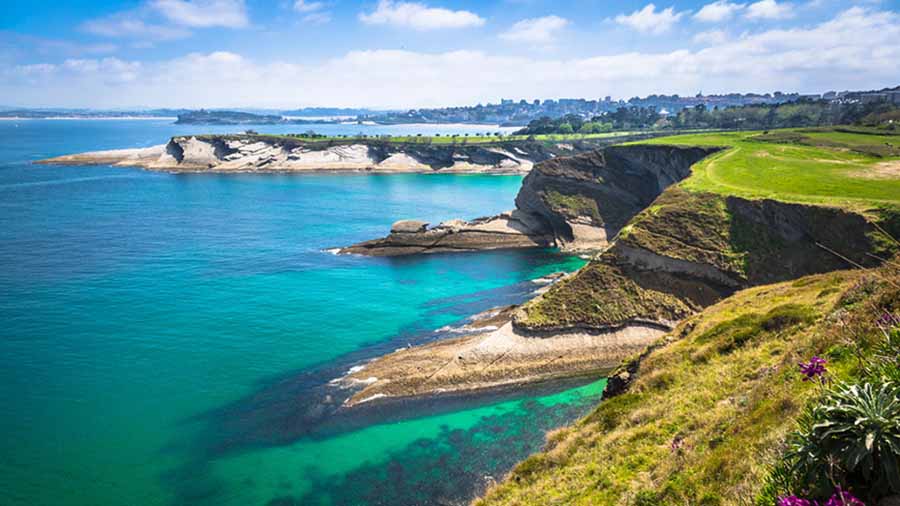
The green hills and rugged coastline of Cantabria in northern Spain create an inviting setting for equestrian tourism. This region, with its blend of Atlantic beaches, rolling meadows, and towering Picos de Europa mountains, offers riders a chance to explore diverse landscapes on horseback, supported by facilities that cater to all levels of experience.
One of the region’s most cherished bridle trails is the Camino Lebaniego, a historic route weaving through the Liébana Valley. Organised by centres like Centro Ecuestre La Espina near Potes, this path guides riders past ancient monasteries, lush orchards, and dramatic peaks, with the Picos de Europa providing a stunning backdrop. The trail, suitable for intermediate riders, follows paths once used by pilgrims, offering a blend of natural beauty and cultural heritage. Another gem is the Saja-Besaya Natural Park trail, accessible from equestrian centres in Los Tojos. This route meanders through dense beech forests and along clear rivers, providing a serene ride with opportunities to spot deer and wild boar.
Coastal trails near Santander and Comillas offer a refreshing change, with paths leading along the Cantabrian Sea’s sandy beaches and cliffs. Centres like Escuela Hípica El Estribo in Santander provide guided rides that combine seaside gallops with inland treks through grassy hills, suitable for both beginners and seasoned riders. In the Pas Valley, trails wind through traditional villages and pastures, where operators like Centro Ecuestre Los Caballucos offer routes tailored to different skill levels, showcasing the region’s rural charm.
Cantabria’s equestrian facilities enhance the riding experience. Centro Ecuestre La Espina boasts well-maintained stables and a range of Spanish horses, offering lessons and multi-day treks through the Picos de Europa. Its rustic setting near Potes includes comfortable accommodation for overnight stays. Escuela Hípica El Estribo provides modern amenities, with a focus on natural horsemanship and access to coastal and inland trails. For a unique experience, Centro Ecuestre El Corro in Somo offers beachfront rides and surfing lessons, blending equestrian adventures with Cantabria’s coastal lifestyle.
The region’s bridle paths, many tracing old cattle tracks or Roman roads, are well-marked and maintained, ensuring safe exploration. Riders can venture into the Cabárceno Natural Park, where trails skirt open landscapes home to diverse wildlife, or explore the Collados del Asón Natural Park, with its karst valleys and waterfalls. Accommodation options like Casa Rural La Cabaña in Vega de Pas provide cosy retreats near trailheads, serving hearty Cantabrian dishes to refuel after a day’s ride.
Cantabria’s temperate climate, particularly from April to October, makes it an ideal destination for year-round riding, with mild summers perfect for coastal canters and cooler autumns showcasing the region’s golden foliage. The area’s equestrian heritage, tied to hardy Spanish breeds, adds a cultural layer, with many centres offering insights into traditional training methods.
Spain region by region
Almería – Andalusia – Aragón – Asturias – Basque Country – Cádiz – Cantabria – Catalonia – Córdoba – Extremadura – Fuerteventura – Galicia – Gran Canaria – Granada – Huelva – Ibiza – Jaén – La Mancha – La Rioja – Lanzarote – León – Madrid – Majorca – Málaga – Menorca – Murcia – Navarra – Seville – Tenerife – Valencia –