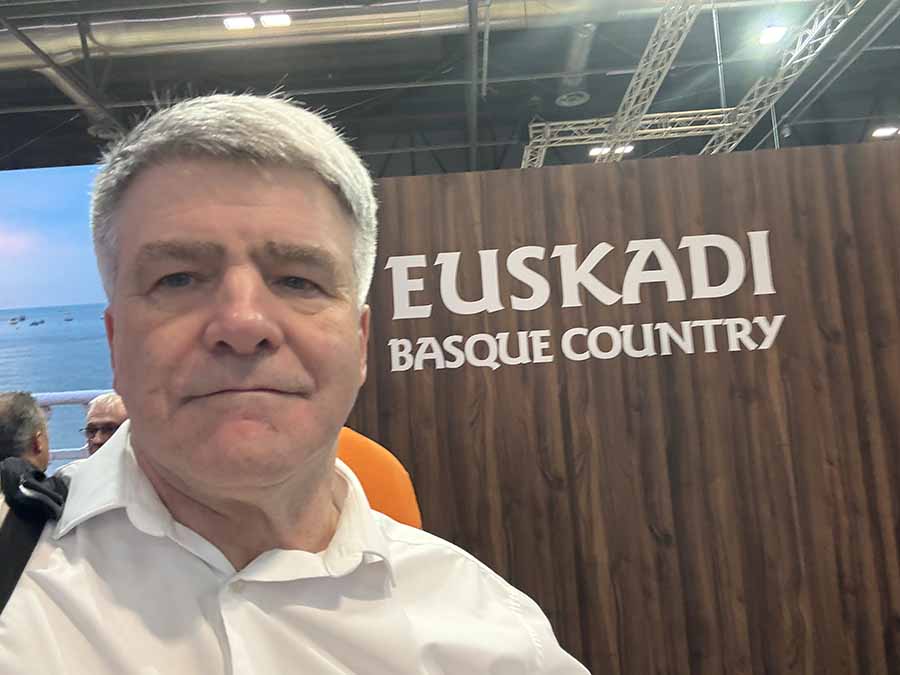
At FITUR 2026 in Madrid, Euskadi’s stand serves as a key platform for international projection, showcasing these pillars: stunning landscapes from coast to natural parks, industrial heritage, greenways, and sustainable products. Initiatives like the Maitea Tourism campaign (promoting local coexistence), the Ethical Code of Tourism (with over 800 member companies), and deseasonalised offerings reinforce a responsible model.
The Basque Country (Euskadi) is poised for a transformative year in tourism during 2026, marking a pivotal shift towards a more sustainable, balanced, and deseasonalised model. The region continues to leverage its world-class gastronomy, cultural heritage, coastal and mountain landscapes, and innovative attractions while introducing regulatory and promotional enhancements to ensure responsible growth and better coexistence with residents.
A key addition to the accommodation landscape is the Eurostars Bilbao, scheduled to open at the end of 2026. This new property from Eurostars Hotel Company (part of the Hotusa Group) will feature 75 rooms along with spacious common areas, contributing to the city’s growing premium hotel offerings in Bilbao. It follows the chain’s earlier debut in San Sebasti√°n with the Eurostars Villa Itziar in 2025, expanding the brand’s presence in the Basque Country and catering to visitors seeking modern comfort in urban settings.
The region maintains a strong focus on high-quality, existing luxury properties, including icons like the Hotel Maria Cristina in San Sebastián and the Hotel Marqués de Riscal in Rioja Alavesa (with ongoing renovations). Broader sector efforts emphasise quality enhancements rather than mass expansion, aligning with policies limiting new tourist apartments in the three capitals (Bilbao, San Sebastián, and Vitoria-Gasteiz) from 2026 onwards under the forthcoming Plan Territorial Sectorial.
Visitor Attractions, Experiences, and Enhancements
2026 brings heightened emphasis on immersive, year-round experiences, with the Basque Country highlighted internationally as a top destination-recognised by National Geographic and others-for its blend of art, cuisine, nature, and unique events.
A major draw is the total solar eclipse on 12 August 2026, where the region offers prime viewing spots, particularly in Bilbao and Vitoria-Gasteiz. This celestial event positions the Basque Country as an exceptional place for astrotourism and special eclipse-related experiences, drawing visitors to combine it with cultural and gastronomic pursuits.
Ongoing promotions include the Euskadi-Basque Country Grand Tour, an 8-stage route encouraging distributed, sustainable travel across the territory to extend stays and diversify visitor flows. Niche offerings continue to grow, such as cicloturismo (cycle tourism), senderismo (hiking), nature experiences in areas like the Urdaibai Biosphere Reserve, wine and gastronomic tourism (including pintxos culture and Michelin-starred dining), industrial heritage tours, and family-friendly urban exploration.
Regulatory advancements mark 2026 as a turning point: a new Basque Tourism Law (replacing the 2016 version) will incorporate sustainability, ethics, territorial planning, and an improved sanctions system; the tourist accommodation tax (tasa turistica) of up to €6 per night will be implemented alongside the three provincial councils; and a tourism pact will optimise resources and coordination.
Javier Hurtado, Consejero de Turismo, Comercio y Consumo, has described 2026 as transformative: “2026 ser√° el punto de inflexi√≥n para el turismo en Euskadi” due to these three major milestones-the new tourism law, the tourist tax, and the pact with the provincial councils. He has also stressed the importance of balanced growth, noting that while 2025 saw a 4.2% increase in visitors (with stronger deseasonalisation outside summer), the focus remains on sustainability, ethical tourism, and territorial equity: “FITUR 2026 ser√° fundamental para la proyecci√≥n internacional de Euskadi,” highlighting niches like sustainable tourism, cicloturismo, senderismo, and gastronomy to diversify flows and extend stays.
These developments position the Basque Country in 2026 as a premier destination for thoughtful travellers seeking authentic, high-quality experiences amid stunning scenery, exceptional food, and cultural depth, all underpinned by a commitment to long-term sustainability.