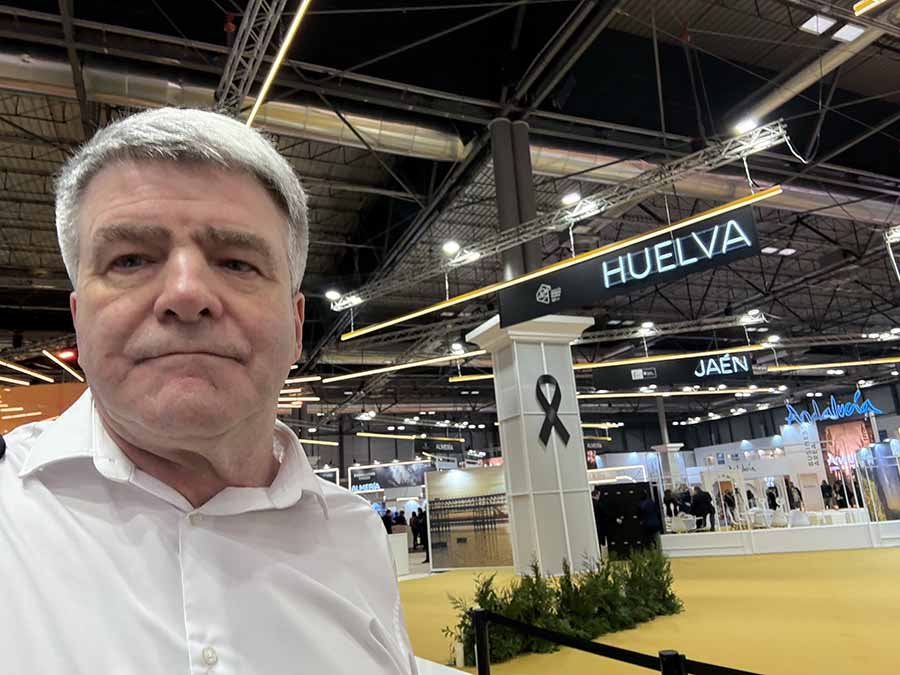
At FITUR 2026 in Madrid, Destino Huelva is presenting a united, diverse proposal under a sustainable lens, showcasing these pillars through immersive stands, presentations, and collaborations. The province integrates into Andalucia’s record pavilion (over 7,000 square metres), emphasising coexistence between visitors and residents.
Huelva province, in southwestern Andalucia, Spain, renowned for its pristine Atlantic beaches along the Costa de la Luz, the vast Do√±ana National Park (a UNESCO World Heritage site and Biosphere Reserve), Columbus-related historic sites in Palos de la Frontera and Moguer, Iberian ham production in Jabugo, and the mining heritage of the Sierra, is enhancing its visitor experience in 2026. The province promotes a diverse, sustainable model built on five key pillars: culture and heritage, gastronomy, nature, sport, and sun and beach tourism. This approach emphasises responsible growth, year-round appeal, and authentic experiences that highlight Huelva’s identity as an uncrowded, nature-rich alternative.
Huelva’s accommodation sector sees continued investment in premium and family-oriented properties, with a focus on coastal resorts and all-inclusive options that integrate with the natural surroundings.
A major addition is the Smy Isla Cristina Palace & Spa (or similar branding under the chain), a new four-star hotel on the frontline beach in Isla Cristina. This property introduces enhanced facilities including two restaurants, three bars, and an all-inclusive option, catering to beach-focused travellers seeking comfort and convenience on the unspoilt sands of the Costa de la Luz.
The ON Hotels Group expands its presence following the 2025 opening of the ON City Resort All Inclusive Prime in Matalascañas-the largest tourism complex in Huelva and Cadiz provinces, with over 560 rooms, a spectacular water park with slides, multiple pools (including a distinctive pink one), live entertainment, and premium all-inclusive services. In 2026, the group plans to open a second establishment nearby through the refurbishment of an existing building, transforming it into a luxurious property targeted for the summer 2026 season. This adds further capacity in the Matalascañas area, close to Doñana National Park, reinforcing family and premium beach tourism.
These developments complement ongoing enhancements at established properties, such as the Barcel√≥ Punta Umbria Mar (a four-star coastal oasis with Andalusian style, direct beach access, and proximity to the Odiel Marshes and Los Enebrales Natural Park) and the Fuerte El Rompido (with seasonal children’s programmes like Forti Camp running into 2026). The sector aligns with Andalucia’s push for quality tourism, with investments supporting sustainable and high-value stays.
Huelva strengthens its experiential offerings in 2026 without major new physical attractions opening, instead focusing on immersive, sustainable promotion across its pillars.
Cultural and patrimonial tourism leads with innovative experiences that blend history and technology, including immersive visits to Columbus sites (such as the Muelle de las Carabelas replicas and the Monasterio de La R√°bida), enhanced heritage trails, and events celebrating the province’s role in the discovery of America.
Gastronomy gains prominence through events like the IV Feria Nacional del Guiso Marinero in Islantilla, plus tastings and showcases in Santa Olalla del Cala and Ayamonte, highlighting local seafood, Iberian products from Jabugo, and wines.
Nature and active tourism benefit from Do√±ana’s protected ecosystems (birdwatching, guided tours, jeep safaris), Sierra de Aracena hikes, and coastal paths. Sport enhancements include hosting the Campeonato Europeo de B√°dminton in Huelva and the Mundial de Motocross in Almonte, drawing international crowds and boosting active experiences.
Sun and beach tourism continues with pristine stretches in Isla Cristina, Punta Umbria, and Matalascañas, supported by sustainable practices and deseasonalisation efforts.
Arturo Bernal, Consejero de Turismo y Andalucia Exterior de la Junta de Andalucia, has framed the regional context for Huelva and similar inland/coastal provinces: “Andalucia es un destino con estabilidad institucional, planificaci√≥n estrat√©gica y un modelo turistico rentable,” stressing a balanced, profitable approach that prioritises sustainability, territorial equity, and benefits for locals. He has noted strong performance in areas like Huelva for rural and nature tourism, with high winter occupancy (over 86% in rural accommodations) contributing to deseasonalisation and economic stability.