
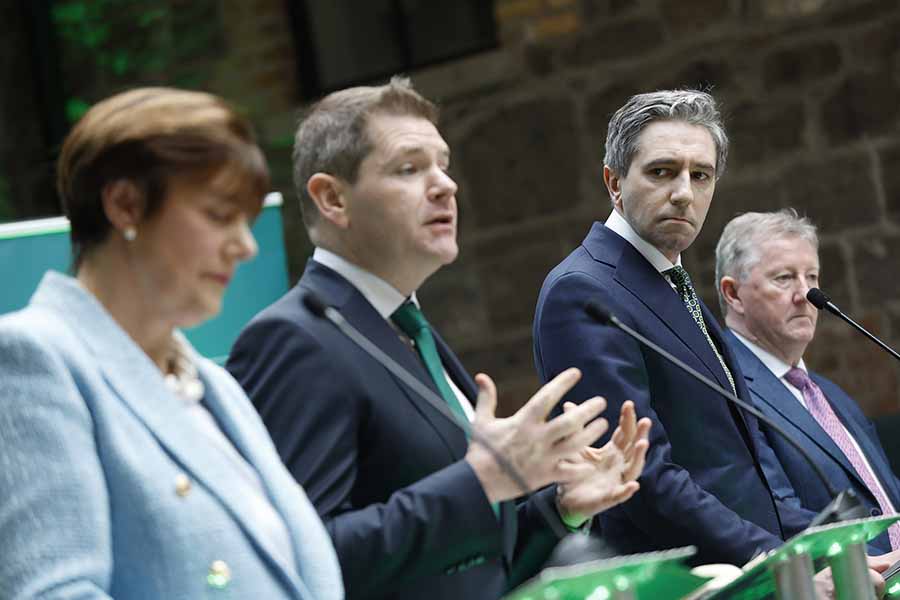
Minister Peter Burke has launched Ireland’s National Tourism Policy for the next five years at an event at Belvedere in County Westmeath, introducing a dedicated section on culinary tourism for the first time.
Authorities have set ambitious targets for employment numbers and visitor spend. The policy includes a Strategic Air Access Programme to develop new routes. Fáilte Ireland and Tourism Ireland anticipate aligning their corporate plans to the 71 proposals.
Ireland is to promote itself as a winter destination through festivals like St Patrick’s Day and Púca. The plan focuses on less mature destinations such as Ireland’s Hidden Heartlands and Ireland’s Ancient East to distribute tourism benefits.
- Capacity & Connectivity: Addressing accommodation supply and improving access.
- Digital Transition: Aiming for 90% of tourism SMEs to adopt advanced digital tools.
- Food & Drink Tourism: Renewed focus on culinary experiences, now a significant part of visitor spend.
- Growing employment in the sector to 250,000 jobs.
- Market Diversification: New air access programs and off-peak season focus (Oct-May).
- Regional Development: Spreading tourism beyond traditional hubs, supporting less mature destinations.
- SME Support: Increased focus on assisting small tourism enterprises.
- Sustainability & Skills: Investing in sustainable practices and developing tourism as a viable career path with training.
- Targets include 6pc annual growth in international revenue and 7pc in domestic revenue.
- See details here.
Peter Burke shared “This policy marks a new era for Irish tourism with a clear focus on sustainability, diversification and making tourism a viable career pathway.”
Report summary
Ireland’s newly launched National Tourism Policy Statement, “A New Era for Irish Tourism”, places food at the heart of the country’s visitor offering for the first time with the creation of a dedicated Culinary Tourism Strategy.
The policy revealed a series of measures designed to strengthen Ireland’s position as a competitive destination. A priority action includes preparation of a new Culinary Tourism Strategy that will raise the quality of food and drink experiences nationwide and drive dedicated marketing campaigns showcasing Irish produce.
- A Strategic Air Access Fund will launch to support new inbound routes with high tourism potential, alongside Government efforts to lift the Dublin Airport passenger cap as soon as possible and enhance ferry connectivity.
- Destination Experience Development Plans (DEDPs) will now highlight unique local food and beverage offerings, promote sustainability and local production, and identify food trails, festivals, and markets that extend the tourism season and encourage visitors to explore beyond traditional hotspots.
- A new sector-wide Digital Transition Strategy will be developed and implemented by the tourism agencies to help businesses adopt digital tools and AI, while Ireland.com receives continued investment in AI-optimised platforms to raise global visibility.
- Business events and major sporting events will benefit from coordinated whole-of-Government strategies to maximise economic impact.
- Domestic marketing receives increased funding for “Home Holidays” campaigns aimed at encouraging Irish residents to holiday at home.
- Fáilte Ireland will continue to fund a diverse portfolio of uniquely Irish festivals that drive regional spread and extend the season.
- Fáilte Ireland will embed Better Regulation principles, review administrative burdens, and apply the SME Test to all new policies to ensure smaller operators face proportionate requirements.
- Fáilte Ireland will roll out targeted awareness campaigns and tailored business supports to help food and hospitality operators improve sales, profit margins, and digital capabilities.
- Local authorities and agencies will accelerate development of greenways, blueways, walking trails and active travel routes, with particular attention to linking attractions such as the Midlands Trail Network and Blue Flag beaches to nearby towns and villages.
- Nature-based tourism will receive fresh focus, with updated regional strategies and Destination Experience Development Plans required to maximise opportunities on inland waterways for angling, cruising, water sports, walking and hiking.
- New regional-scale heritage and cultural routes will be created, alongside increased promotion of the Irish language, arts and sporting heritage to attract overseas visitors.
- Overseas marketing will target high-growth markets and segments with the strongest return potential, while new diaspora leisure and business tourism programmes focus on regional and year-round benefits.
- Regional airports and ports will receive priority development and marketing support to drive visitor spread.
- The Government committed to higher real-terms public funding for tourism throughout the policy period and pledged to maintain a profitable environment for the sector. Budget 2026 confirmed the reduced VAT rate of 9% for food and catering services starting July 2026, delivering major support to restaurants, cafés, and hospitality businesses.
- The National Tourism Policy Statement “A New Era for Irish Tourism” revealed a comprehensive package of measures to boost digital adoption, improve air and sea access, and sharpen marketing focus.
- The night-time economy will be supported through ongoing implementation of the Night-Time Economy Taskforce recommendations, including continuation of pilot projects and Night-Time Economy Advisors to deliver safer, more varied evening offerings nationwide.
- The policy also commits to a new Capital Investment Strategy for tourism, with increased public funding directed towards projects that achieve greater regional distribution of visitors, particularly in Ireland’s Hidden Heartlands, Ireland’s Ancient East, and the northern sections of the Wild Atlantic Way. Fáilte Ireland will guide these investments to support year-round tourism and less-developed areas.
- The policy commits to positioning Ireland as an internationally recognised accessible and inclusive destination, removing barriers related to sexuality, race, gender or ability and working with advocacy groups to ensure universal access to sites and services.
- The policy positions tourism as a driver of innovation, competitiveness, and balanced regional development across Ireland.
- Tourism objectives will be fully integrated into new Regional Enterprise Plans due in 2026, with tourism agencies actively involved in their development.
- Additional measures include collaborative work to unlock the tourism potential of State-owned lands and heritage sites while applying natural capital principles, coordinated supports from Fáilte Ireland and Local Enterprise Offices tailored to the growth stage of small tourism businesses, plus enhanced grants from Fáilte Ireland and the Sustainable Energy Authority of Ireland to cut energy costs and emissions through insulation upgrades and the switch from fossil-fuel heating.
The tourism sector contributed more than €6bn to the Irish economy and employed people across every county. The plans are aimed to increase tourism revenue by 50pc to €9bn over the next five years. The strategy targeted a 15pc rise in overseas visitor numbers between next year and 2031.