Carsten Spohr, chief executive of Lufthansa Group, told the Airlines for Europe conference in Brussels that Europe has reached a turning point in recognising declining competitiveness in aviation.
He confirmed that for twenty years the trend pointed towards reduced competitiveness in Europe and specifically in Germany. Recent developments show governments beginning to understand the limits of previous approaches. Sweden leads the way by abolishing its aviation tax, and Spohr expects the mid-2020s to be viewed in future as the moment when change began. He stated that progress will not occur as quickly or as extremely as the industry desires but that the realisation of losing connectivity, including to Asia, has started to register with politicians and regulators.
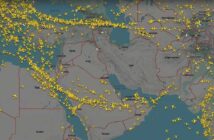
Spohr confirmed that the wake-up call came from necessity rather than sudden insight or desperation. He revealed that the aviation sector avoided major company failures or bankruptcies that often prompt political action in other industries. Instead the loss of connectivity in parts of Europe and now threats to links with Asia serve as the trigger. He added that current geopolitical events, including the war in the region, accelerate awareness without being overestimated. The conflict highlights the wrong direction taken previously and wakes up regulators, media, politicians and voters to the risks.
The Lufthansa chief executive confirmed a fundamental shift in government attitudes across Europe. He revealed that Sweden, Slovakia and Italy have abolished aviation taxes while Italy calls for rollback of the EU Emissions Trading System. Greece and Spain express fury over ETS rules that incentivise travel to competing destinations such as Morocco or Turkey and penalise their own tourism. Spohr stated that major governments now demand action against environmental taxes that penalise Europeans and reduce competitiveness. He noted letters sent to the Commission six months earlier signed by multiple governments urging steps on competitiveness with no follow-up action on reports such as the Draghi report.
Spohr confirmed that the European aviation industry remains one of the most competitive globally despite added regulation and costs that endanger this position. He revealed that increasing burdens shift traffic to non-EU hubs where fares become more affordable. The Gulf crisis demonstrates the need to reduce dependence on fossil fuels but Europe has failed to create a functioning sustainable aviation fuel market. He warned that the sustainable aviation fuel mandate risks collapse under unrealistic targets with production unable to meet even current requirements let alone future increases leading to higher prices and fines that pass through to airlines and consumers without achieving decarbonisation.
Spohr confirmed that aviation struggles to convey its message to politicians because the industry remains profitable with margins between 5 and 15 per cent and steady growth unlike sectors where bankruptcies force change. He stated that customers in Europe bear the losses through higher costs and reduced connectivity. The industry avoids the pity that drives action elsewhere. He argued that Europe can address its own disadvantages by reforming ETS and sustainable aviation fuel mandates without needing external changes. Rolling back open skies agreements proves unrealistic but removing self-imposed burdens remains within Europe’s control.
“ I think we will look at these years mid 2200s, one day as a turning point. People are starting to understand that they have reached the limits, obviously Sweden being ahead and abolishing tax. This war has accelerated people to understand that we have gone the wrong direction. The European aviation industry is probably the most competitive globally, but I think the risk has everyone stated as the more regulation we put on, the more expense we put into the system, then we endanger the competitive nature of it.”