- De-icing bottlenecks arise from fluid shortages and high usage rates.
- Holdover time windows limit departure opportunities during heavy snowfall.
- Reduced runway capacity results from constant clearing and wind conditions.
- Limited ground support infrastructure hinders handling of extended winter weather.
- Network domino effects cause cascading cancellations across connected routes.
Heavy snowfall at Amsterdam Schiphol Airport led to widespread flight cancellations this week, with de-icing fluid shortages exacerbating the disruptions.
- Friday: 345
- Saturday: 385
- Sunday: 568
- Monday: 713
- Tuesday: 564
- Wednesday: 676
- Thursday: 57
- 7-day total: 3,308
KLM, responsible for de-icing most aircraft, has used 85,000 litres daily since Friday, straining supplies from Germany. Holdover times for de-icing fluid shorten in intense precipitation, requiring aircraft to depart quickly or face re-treatment.
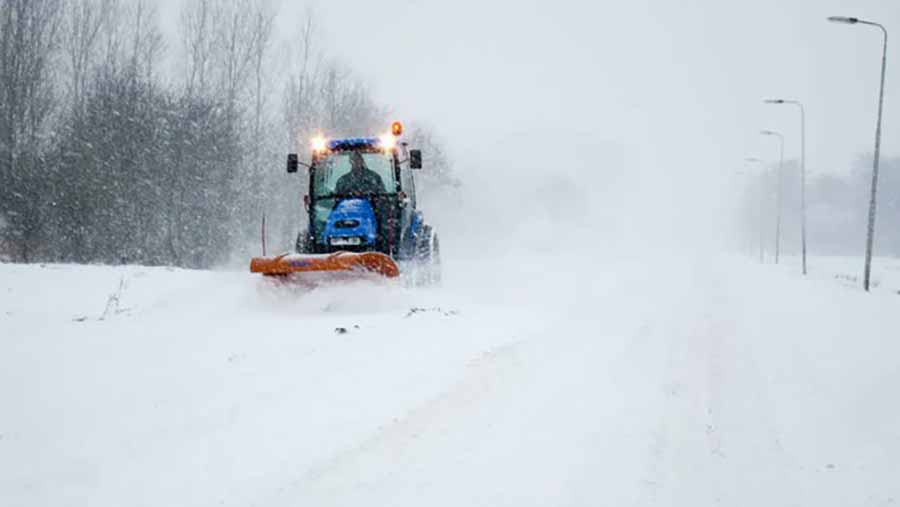
Runway capacity has reduced due to continuous snow removal efforts amid unfavourable winds. The airport’s infrastructure, not designed for prolonged severe weather, struggles compared to facilities in regions like Stockholm Arlanda. Network effects amplify issues, as delays in Amsterdam impact subsequent flights across Europe.
On January 7, 346 outbound and 333 inbound flights were cancelled, with forecasts predicting continued snow through Wednesday. Emergency fluid deliveries arrived, but airlines proactively reduced operations. Travellers are advised to check updates amid ongoing disruptions.
Flightradar 24 shared: “Even a thin layer of ice on a wing can significantly affect lift which is why all critical surfaces of an aircraft must be completely free of snow and ice before takeoff. The heavier the precipitation, the shorter the time frame an aircraft has from the moment application of the fluid commences to its effect not longer being guaranteed. Snow removal crews must continuously clear runways, taxiways, and aprons. In sustained heavy snowfall, this is a job that never ends. Europe’s highly interconnected aviation network means that if an aircraft gets delayed or stuck in Amsterdam, later flights during the day will be affected.”