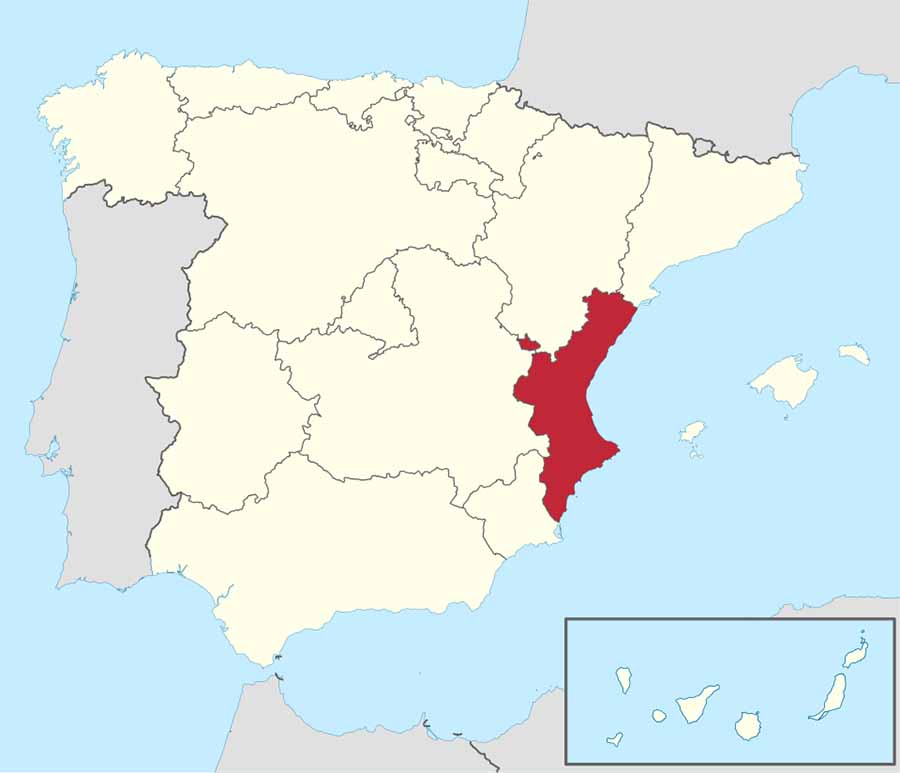
Valencia, a sunlit region on Spain’s Mediterranean coast, offers horse riding enthusiasts a chance to explore its diverse terrain, from lush river valleys to rugged mountains. With a long-standing equestrian tradition and a climate boasting over 300 days of sunshine, Valencia provides a welcoming setting for riders of all abilities. Well-equipped equestrian centres and a network of certified bridle trails make the region an inviting destination for those eager to discover its natural beauty and cultural heritage from the saddle.
In the province of Valencia, the Sierra Calderona Natural Park offers scenic trails through pine forests and rolling hills. Centres like Field and Horse in Llíria guide riders along these paths, with routes ranging from one-hour treks for beginners to full-day excursions for experienced riders. These trails, often following historic cattle tracks, provide panoramic views of the Mediterranean and opportunities to spot local wildlife like eagles. The centre’s well-trained horses and professional guides ensure a safe journey, with helmets and brief lessons provided for novices. Riders can also combine their trek with a visit to the Museo de Recreaciones Históricas y Aperos de Labranza for a touch of local history.
In Castellón, the Ruta Dels Monestirs is a standout trail, stretching 84 kilometres and connecting five historic monasteries, including San Jerónimo de Cotalba and Santa María de la Valldigna. Operators like Centro Ecuestre Castellón offer guided rides along this route, suitable for intermediate riders, with paths passing through orange groves and rural villages. The trail, approved by the Royal Spanish Equestrian Federation as part of the Itinerarios Ecuestres (IE-001), ensures quality and safety. Shorter rides to the Cerros de Agras Volcano, the region’s only accessible volcano, offer a unique experience for those seeking a shorter adventure.
Alicante’s countryside, while lacking official Itinerarios Ecuestres, is rich with equestrian opportunities. El Refugio near Guardamar, just 35 kilometres from Alicante Airport, provides trails through the La Mata-Torrevieja nature reserve, where riders can gallop along sandy paths past salt lagoons and orange groves. These one- to two-hour routes, suitable for all levels, offer views of the Mediterranean and the chance to spot flamingos or cormorants. The centre’s well-cared-for Spanish horses and focus on rider comfort make it a family-friendly choice.
Valencia’s equestrian facilities cater to diverse preferences. L’Horta a Cavall in Bétera offers lessons in dressage and vaulting, alongside trails through the region’s orchards and hills. Their modern 17,000-square-metre arena ensures a high-quality experience, with pony clubs for children and advanced classes for enthusiasts. In Godella, Club Hípico Valencia provides tailored excursions and beginner courses, with English-speaking guides available. After a ride, visitors can relax at local eateries, savouring Valencian dishes like paella or fideuà, reflecting the region’s culinary warmth.
The region’s bridle trails, such as the IE-002 to Balneario de Hervideros in Cofrentes, explore lush greenery and river valleys, offering a peaceful escape. Valencia’s mild climate, especially from March to May and September to November, ensures pleasant riding conditions.
Spain region by region
Almería – Andalusia – Aragón – Asturias – Basque Country – Cádiz – Cantabria – Catalonia – Córdoba – Extremadura – Fuerteventura – Galicia – Gran Canaria – Granada – Huelva – Ibiza – Jaén – La Mancha – La Rioja – Lanzarote – León – Madrid – Majorca – Málaga – Menorca – Murcia – Navarra – Seville – Tenerife – Valencia –