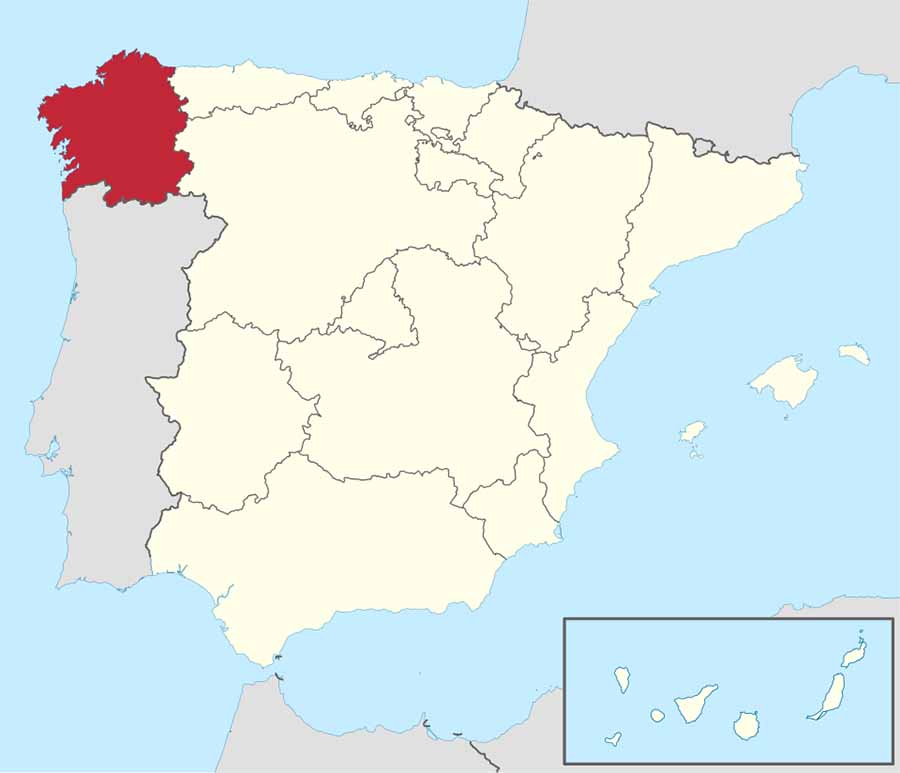
Galicia, in Spain’s northwest corner, offers a wealth of adventure tourism opportunities that blend natural beauty, cultural heritage, and outdoor activities.
- This region, with its rugged coastlines, lush forests, and rolling hills, provides a playground for those seeking active experiences in a setting rich with history and charm. One of the region’s standout attractions is the Camino de Santiago, a network of pilgrimage routes drawing walkers and cyclists from across the globe.
- The French Way, stretching from the Pyrenees to Santiago de Compostela, covers 33 stages and offers a mix of scenic trails and historic villages.
- For those preferring shorter treks, the coastal Camino routes, such as the Portuguese Way from Tui, provide stunning Atlantic views over 100 km.
- Cyclists can also explore dedicated trails, with bike rentals available in cities like Santiago and Vigo. Water-based adventures abound along Galicia’s extensive coastline, which stretches along the Atlantic Ocean and Cantabrian Sea.
- The Rías Baixas and Costa da Morte offer kayaking and canoeing through serene estuaries and dramatic cliffs.
- In O Grove, known for its seafood, visitors can join catamaran trips to taste mussels fresh from the water.
- For a hands-on experience, tourists can accompany percebeiros, barnacle harvesters, on the Costa da Morte or learn shellfish harvesting on A Toxa island.
- Rafting on the Miño River near Arbo provides a fun, accessible challenge with level 3 rapids suitable for beginners and families. On land, Galicia’s diverse terrain caters to hikers and mountain bikers.
- The Ribeira Sacra, with its steep vineyards and canyons carved by the Sil and Miño rivers, features five circular biking routes covering 110 km, ranging from beginner to advanced.
- Hikers can explore Devesa da Rogueira, a trail through green hills and glacial lakes leading to Formigueiros Peak.
- Galicia’s trail centres, designed to showcase the region’s history and cuisine, offer marked paths for all skill levels.
- For a unique stay, the Parador de Santo Estevo, a converted sixth-century monastery, provides accommodation with views of the Sil River Canyon. Galicia’s thermal springs add a relaxing dimension to adventure tourism.
- Ourense, the thermal capital, boasts free hot springs like Muíño da Veiga and paid facilities at Outariz and Chavasqueira, offering hydrotherapy and spa treatments.
- The region’s 17 blue-flag yacht clubs, including those in Baiona and A Coruña, support sailing and other water sports, with modern marinas catering to visitors. Culinary adventures complement the outdoor offerings.
- Galicia’s gastronomy, rooted in fresh seafood and local wines like Albariño and Ribeiro, enhances experiences such as fish market visits in Fisterra or cooking classes using freshly caught produce.
- Traditional dishes like pulpo á feira (octopus) and empanadas can be savoured in historic settings, such as furanchos, small, family-run wine bars, or restored watermills in Meaño. With over 123,885 traveller accommodations, including hotels, campsites, and rural guesthouses, Galicia ensures visitors have ample options to rest after a day of exploration.
- Pontevedra ranks as Spain’s fifth province for hotel establishments, while Santiago de Compostela serves as a convenient base for day trips to coastal and inland attractions.
- The region’s infrastructure, with well-maintained roads and rental car availability at airports and major cities, makes accessing these experiences straightforward. Galicia’s blend of adventure, culture, and cuisine creates a compelling destination for those looking to explore beyond typical tourist trails.
Spain region by region
Almería – Andalusia – Aragón – Asturias – Basque Country – Cádiz – Cantabria – Catalonia – Córdoba – Extremadura – Fuerteventura – Galicia – Gran Canaria – Granada – Huelva – Ibiza – Jaén – La Mancha – La Rioja – Lanzarote – León – Madrid – Majorca – Málaga – Menorca – Murcia – Navarra – Seville – Tenerife – Valencia –