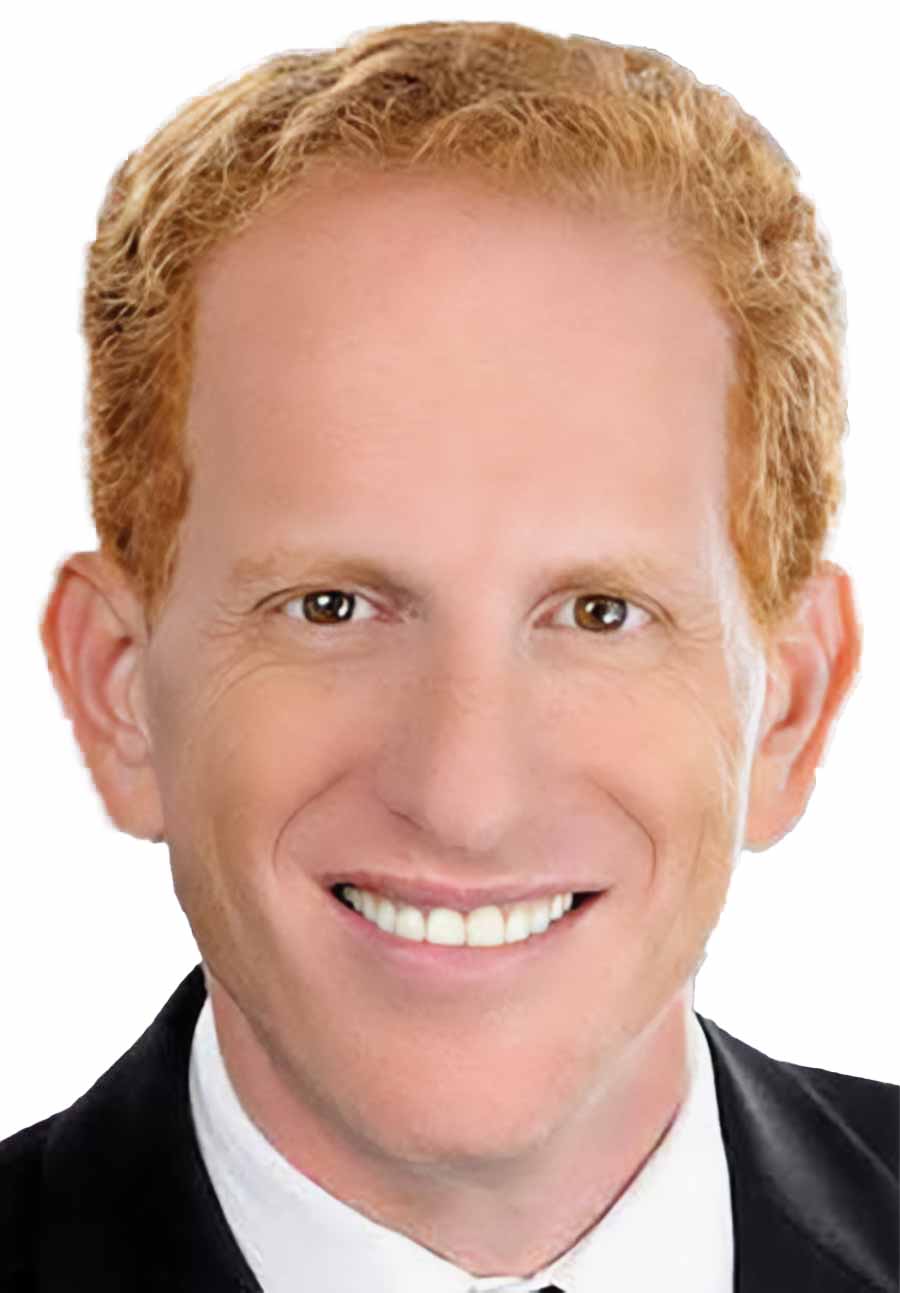
It was, like many executions on the high seas used to be, silent and unexpected. Harry Sommer started Thursday February 12 as CEO of Norwegian Cruise Line Holdings. He ended the day as ex-CEO with newcomer John Chidsey installed in the top job, a surprise appointment of a man whose background is outside the industry, in the capital-light food sector moving to one of the most capital-heavy industries on the seven seas (literally),
Harry had been telling interviewees he expected to be two years in the job, of the importance of focussing on the big picture. He used to recount how he had been told to leave the little things and make five big decisions that would affect the company performance.
And here was the problem. Cruise is booming. The big cruise lines (and there are only a few of them) were chasing higher fares, higher yields, higher margins. They transferred the largest portion of their fleet to the Caribbean to pursue the hefty profits that lurked there, like alligators. Royal and Carnival were outperforming NCL. Harry was blamed for missing an opportunity.
Worryingly ,the charges came from some of the cruise lines biggest institutional shareholders.
Off guard
Harry Sommer’s exit caught the industry off guard. Just months before, Sommer had spoken of his long-term vision, yet the board moved swiftly to install John Chidsey, a figure from fast-food chains like Subway and Burger King, with no direct cruise experience.
The company revealed that Sommer’s departure stemmed from a broader leadership realignment, though details remained sparse. Investors reacted with a dip in shares, reflecting unease over the transition. In an era where cruise executives typically hail from within the sector, this outsider choice signalled a desperate pivot, one that could either refresh operations or expose deeper fractures.
Undercurrents of dissatisfaction fuelled the change, rooted in Norwegian’s lagging financial performance. For years, the company has trailed rivals in key metrics like yields, those crucial measures of revenue per passenger. While Royal Caribbean and Carnival have capitalised on post-pandemic demand, pushing yields skyward through premium itineraries and onboard spending, Norwegian has stumbled.
Critics point to inconsistent strategies, from overexpansion in certain markets to erratic pricing. The board’s move confirmed longstanding frustrations, with Sommer’s tenure marked by guidance that often missed the mark. Shares have halved since pre-COVID peaks, a stark contrast to peers who have rebounded strongly. This underperformance has not gone unnoticed, breeding a sense of urgency that culminated in the CEO’s swift removal.
We need to talk about Elliott
Elliott Investment Management group emerges as the most vocal force in the criticism of Norwegian’s yields. Holding over 10 pc of the company, Elliott revealed a scathing assessment, lambasting the board for a decade of missteps that eroded shareholder value. They highlighted poor cost discipline, including lavish expenditures on events like a Katy Perry concert in Iceland, which they deemed frivolous amid stagnant yields.
Elliott argued that Norwegian’s yields lag behind competitors by wide margins, attributing this to weak execution and a failure to optimise fleet deployment. They proposed a path to €51 per share, nearly double the current value, through restored discipline and better revenue capture. The group’s push for board overhauls, including new directors, underscores their belief that current leadership has squandered opportunities in a thriving market. This activist stance has sparked a potential proxy battle, with nominations due by March 13.
Then there is the peculiar role of Adam Goldstein, the former CEO of Royal Caribbean, whose involvement adds weight to the calls for reform. Goldstein confirmed his alliance with Elliott, positioning himself as a potential board member to steer Norwegian back to prominence. In public statements, he revealed that colleagues frequently ask him what is happening at Norwegian, reflecting widespread bewilderment over its struggles.
Goldstein praised the company’s assets, its fleet and workforce, but criticised its failure to match industry growth. He advocated for operational tweaks without wholesale reinvention, focussing on guest satisfaction and partner relations. Drawing from his three decades at Royal, including leading through crises, Goldstein sees Norwegian as capable of reclaiming leadership. His endorsement lends credibility to Elliott’s campaign, suggesting that insider expertise could bridge the yield gaps that have plagued the firm.
Buoyant outlook
Norwegian’s turmoil contrasts with the buoyant outlook for the cruise industry in 2026. Projections reveal passenger numbers climbing to 37.1m, a 4.5 pc rise from 2025, driven by younger demographics and demand for expedition voyages. The sector anticipates revenue growth at a compound annual rate of 4.81 pc, reaching €43 billion by year-end. New ships, over a dozen debuting, will add capacity with features like sustainable fuels and larger berths, some exceeding 200,000 tons.
Trends favour remote destinations, wellness retreats, and short escapes, appealing to millennials and Gen Z. Luxury segments, including yacht-style cruises, are surging, with bookings extending into late 2026. Sustainability takes centre stage, with lines adopting eco-friendly practices to meet regulations. Amid this expansion, Norwegian’s internal woes risk leaving it adrift, unless reforms harness the tide.
This episode at Norwegian Cruise Line Holdings serves as a cautionary tale for an industry riding high. With demand robust and innovations abound, companies cannot afford complacency. Elliott’s intervention and Goldstein’s insights highlight the need for agile leadership. As 2026 unfolds, the sector’s resilience will be tested not just by external forces like fuel costs or geopolitics, but by internal governance.
For Norwegian, the path forward demands bold decisions, much like those Sommer once championed. Shareholders and passengers alike will watch closely, hoping the company navigates back to calmer waters.