One of the most evocative quotes about Granada comes from the Mexican poet Francisco de Icaza, who wrote, “Dale limosna, mujer, que no hay en la vida nada como la pena de ser ciego en Granada” (“Give him alms, woman, for there is nothing sadder in life than being blind in Granada”). This line, inscribed at the Alhambra, captures the city’s mesmerising beauty, suggesting that to miss its visual splendour is a profound tragedy. Icaza, whose wife was born in Granada, immortalised the city’s enchanting allure, with its blend of Moorish architecture and vibrant landscapes, in this heartfelt verse.
Federico García Lorca, Granada’s most celebrated poet, wrote in his poem “Baladilla de los tres ríos” from 1931: “El río Guadalquivir va entre naranjos y olivos. Los dos ríos de Granada bajan de la nieve al trigo” (“The Guadalquivir river runs between orange and olive trees. The two rivers of Granada descend from snow to wheat”). This vivid imagery reflects Lorca’s deep connection to Granada, referencing the Darro and Genil rivers that flow through the city, weaving together the natural beauty of the Sierra Nevada’s snow-capped peaks with the fertile plains below. His words paint Granada as a land of contrasts, steeped in both melancholy and vitality, forever tied to its landscapes.
The region
As summer 2026 approaches, Granada welcomes travellers with a captivating blend of historic landmarks, scenic landscapes, and authentic Andalusian culture. This southern Spanish region, set against the Sierra Nevada, offers a rewarding visitor experience for those seeking heritage, nature, and culinary delights.
Granada’s historic core is a treasure for explorers. The Alhambra, a stunning Moorish palace, showcases intricate tilework and serene courtyards, with the Generalife gardens offering shaded walks. The Albaicín, a UNESCO-listed neighbourhood, invites strolls through narrow streets lined with whitewashed houses and panoramic views of the Alhambra. The Royal Chapel, housing the tombs of Catholic Monarchs, provides a glimpse into Spain’s royal past.
For a tranquil escape, the Sacromonte district offers cave dwellings and traditional flamenco venues, blending history with local artistry. Beyond the city, the Alpujarra villages, such as Lanjarón and Trevélez, charm with their terraced landscapes and stone houses. Visitors can explore the Poqueira Valley, where hiking trails wind through olive groves and mountain streams.
Food lovers will relish Granada’s culinary scene. In the city’s tapas bars, like Bodegas Castañeda, diners can savour free tapas, from patatas bravas to albóndigas, with every drink. The Alcaicería market brims with spices, cheeses, and local wines, reflecting Granada’s agricultural roots. Rural restaurants in Monachil serve hearty dishes like migas and Jamón de Trevélez, paired with Costa wines.
Nature enthusiasts will find Granada’s landscapes inviting. The Sierra Nevada National Park offers hiking trails through pine forests and high peaks, with opportunities to spot ibex or eagles. The Lecrín Valley, with its citrus orchards, provides cycling routes and serene picnic spots. For a unique experience, the Guadix cave district features inhabited troglodyte homes, offering a glimpse into ancient living.
Granada’s warm summer climate, with temperatures around 30°C and long sunny days, ensures comfortable exploration. Efficient bus and train connections to Málaga and Seville, alongside car rentals, make travel straightforward. Visitors can browse artisan shops for ceramics in the Albaicín or relax in historic hammams like Baños Árabes.
With its mix of cultural treasures, natural beauty, and gastronomic richness, Granada offers a welcoming escape. Whether wandering the Alhambra, hiking in the Sierra Nevada, or enjoying tapas, summer 2026 in Granada promises a memorable experience.
The visit:
Granada, in southern Spain’s Andalusia region, is a destination where history and nature blend seamlessly. It’s known for its Moorish architecture, outdoor adventures, and varied landscapes, making it ideal for cultural exploration and active holidays. Granada province offers a mix of history, culture, and nature, with highlights like the Alhambra and Sierra Nevada. The area is rich in Moorish heritage, flamenco, and local cuisine like cured ham from Trevélez.
Granada spans a vast area with significant climatic variation, making it a unique destination. The Sierra Nevada, designated a Biosphere Reserve by UNESCO in 1986, is the second-highest mountain range in Western Europe, covering over 2,000 km² and hosting over 2,000 of Spain’s 7,000 flora species (LoveGranada.com – Sierra Nevada). Temperatures here can drop to -10°C in winter, ideal for skiing, while the Costa Tropical enjoys an average temperature of 18°C with 3,000 hours of sunshine annually, perfect for beach activities (LoveGranada.com – Coast). Inland areas like Guadix and Baza experience cold winters (January averages below 6°C) with frequent frosts from November to March, transitioning to hot, dry summers (
The province is divided into 174 towns across 10 regions, offering a mix of alpine vegetation in the mountains and tropical plantations like avocados, mangoes, and custard apples along the coast. This diversity allows visitors to experience skiing in the morning and swimming in the afternoon, a rare combination in Europe.
Visitors can enjoy skiing, beach activities, and hiking, with diverse climates from mountains to coast.
Cultural and Historical Highlights
- The capital, Granada city, is a cultural hub, renowned for its Moorish heritage. The Alhambra, a UNESCO World Heritage Site, features the Nasrid Palaces, Generalife gardens, and Alcazaba, attracting tourists worldwide (Spain.info – Granada Province). The Albaicín neighborhood, another UNESCO site, offers traditional Moorish architecture and stunning views of the Alhambra. Visitors can also explore the Capilla Real (Royal Chapel), a Renaissance cathedral, and enjoy bars offering free tapas, a local tradition (
- Nature lovers can ski in the Sierra Nevada, Europe’s most southerly ski resort, or hike in the Alpujarras region, known for its white villages. The Costa Tropical offers beaches for relaxation, while natural parks like Sierra Nevada National Park provide scenic trails. The province’s diverse climate lets you ski in the morning and swim in the afternoon.
- With varied climates, mild coastal areas and cold mountain winters, a car is recommended for exploring remote villages like Montefrio. Enjoy local cuisine, including cured ham from Trevélez, and consider guided tours for a deeper experience.
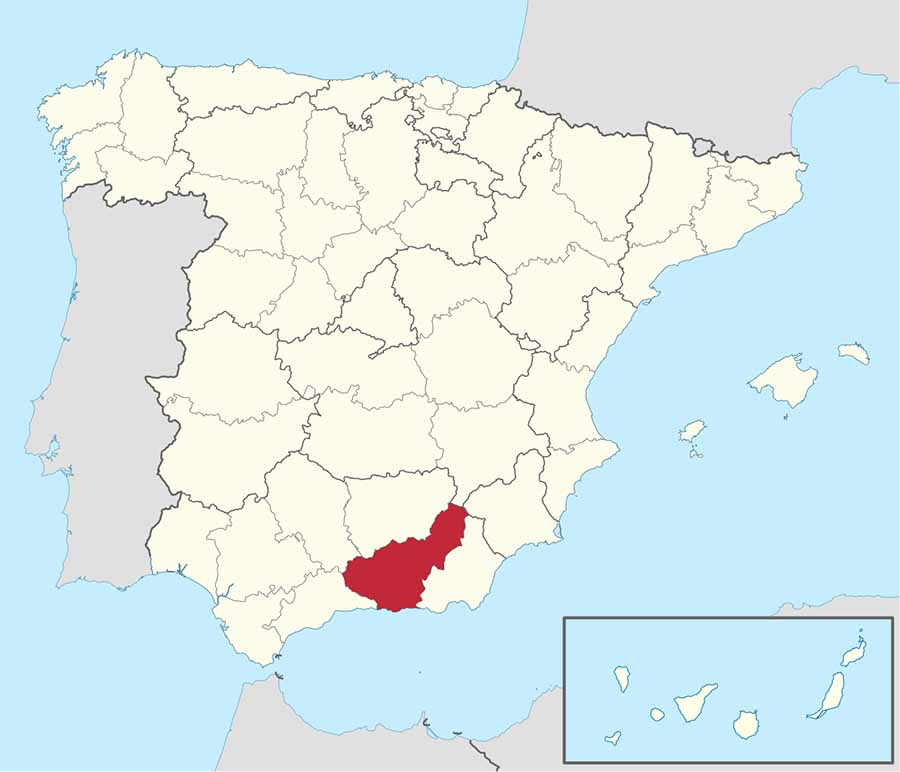
- Granada province, located in the autonomous community of Andalusia, southern Spain, is a treasure trove of cultural, historical, and natural attractions, offering a diverse range of experiences for visitors..
- Flamenco is deeply ingrained in Granada’s culture, with performances often held in the cave dwellings of Sacromonte, providing an authentic experience of this art form (LoveGranada.com – Flamenco). Historical sites like the Castillo de San Miguel in Almuñecar, with its Phoenician roots, and the Roman aqueduct highlight the province’s rich past, spanning prehistoric, Roman, Moorish, and Christian influences (Andalucia.com – Historical Context).
Natural Wonders and Outdoor Activities
- Granada’s natural landscapes are a major draw. The Sierra Nevada offers skiing at the Pradollano resort, Europe’s most southerly ski station, which has hosted world championships in skiing and snowboarding (LoveGranada.com – Ski Passes). Hiking and mountaineering are popular, with routes catering to all levels, and the area’s flora and fauna, including wolves, foxes, and royal eagles, add to its appeal (LoveGranada.com – What to Do).
- The Alpujarras region, in the foothills of the Sierra Nevada, is known for its white villages with Berber-style architecture, such as Pampaniera (1,058m), Bubión (1,250m), Capileira (1,436m), Órgiva (over 5,000 inhabitants, the capital), and Trevélez (1,476m, near Mulhacén) (LoveGranada.com – Alpujarra). This area is ideal for hiking, with terraced fields and a unique mini-ecology system, and hosts the festival of Moors and Christians, adding cultural depth.
- The Costa Tropical, along the Mediterranean, features resorts like Almuñecar, Salobreña, and Motril, with beaches surrounded by exotic plantations (Spain.info – Granada Province). Visitors can engage in water sports or explore historical sites like the Roman columbarium in Almuñecar.
- Granada also boasts five protected natural areas, including the Sierra Nevada National Park, Sierra de Huétor (12,128 ha, popular for weekend getaways), Sierra de Castril (rugged limestone), and Sierra de Baza (53,649 ha, sparsely populated) (Andalucia.com – Natural Parks). Natural monuments like Cárcavas de Marchal (eroded clay massif with cave habitations), Los Infiernos waterfalls, and Cueva de las Ventanas (1.2 km long, the only visitor cave, 45 km north of Granada) offer geological wonders (Andalucia.com – Natural Monuments).
- The Granada Geopark, part of the UNESCO World Geoparks Network, spans 4,722 km² across 47 municipalities, featuring over 70 geological sites, including the Coloraos Desert, Megalithic Park, End of the World Viewpoint, and natural hot springs (LoveGranada.com – Granada Province). This area, covering Guadix, Baza, Huéscar, and Los Montes, showcases Quaternary sediments, natural deserts, faults, gorges, and clay ridges.
Unique Experiences and Activities
- Visitors can enhance their trip with guided tours of the Alhambra, Albaicín, and Sacromonte, offering insights into the region’s history and architecture (LoveGranada.com – Alhambra Tours). Authentic Arab baths with massages provide a Moorish luxury experience (LoveGranada.com – Hammam Baths), while hiking in areas like Dilar, Durcal (20 km from Granada), and Rio Verde offers scenic trails (LoveGranada.com – Hiking).
- The Valle de Lecrin, known for orange production, features historical sites like the Castle of Zoraya, Castle of Murchas, and the church of Mondújar, adding to the province’s charm (LoveGranada.com – Valle de Lecrin). For family fun, a small waterpark near the capital, with nine rides suitable for all ages, is available (Andalucia.com – Waterparks).
- Granada’s cuisine is a highlight, with cured ham from Trevélez being a must-try, known as one of Spain’s finest (Spain.info – Granada Province). The province’s agricultural economy, including cereals, sugarcane, tobacco, olives, and fruits like oranges, lemons, figs, almonds, and pomegranates, reflects its fertile valleys (Britannica – Granada Province).
Practical Considerations for Visitors
- Given the province’s vast and varied terrain, renting a car is recommended for mobility, especially to explore remote areas like Montefrio, Loja, and the Alpujarras villages (LoveGranada.com – Granada Province). Public transport is available but may limit access to less touristy spots. The best times to visit are spring and autumn for stable temperatures, though summer (July and August) can reach 35–40°C, with cooler nights, and winter brings snow to the Sierra Nevada, perfect for winter sports.
Cultural and Historical Attractions
- For history enthusiasts, the Sacromonte neighbourhood is known for its cave houses and flamenco shows, offering a unique glimpse into local life. The Arco de las Pesas in Albayzin Bajo and the Bañuelo, an 11th-century Arab bath, showcase Granada’s Moorish past. The House of Federico García Lorca provides a literary connection, while the Arab Bazaar near the cathedral offers a colorful, local market experience.
- Nature lovers can hike the Los Cahorros trail in the Sierra Nevada, starting in Monachil, for stunning canyon views. Hidden gardens like Carmen de los Martires and Generalife offer peaceful retreats, and Mirador San Miguel provides a quieter sunset spot compared to the popular Mirador San Nicolas.
- Many of these locations are within walking distance from Granada city, but renting a car is recommended for remote areas like the Sierra Nevada trails. Consider staying in Albaicín for proximity to these hidden gems, and check availability for activities like the Hammam Spa.
Off-the-Beaten-Track Locations and Attractions
Beyond the well-known sites, Granada offers hidden gems like Guadix, famous for its cave houses, the largest concentration in Spain, with the Guadix Caves Interpretation Center, cathedral (Spanish Renaissance), Alcazaba, and La Calahorra castle (16th century) (LoveGranada.com – Guadix). The Hoya de Guadix, with its red landscapes and green river valleys, and the Granada Altiplano, a vast plateau in the Bética Mountain Range, provide additional exploration opportunities.
Granada, in southern Spain’s Andalusia region, is famous for its Moorish heritage and natural beauty, but beyond the well-known Alhambra and Sierra Nevada, there are hidden gems perfect for travellers seeking a more local experience. These off-the-beaten-track locations offer a chance to explore the province’s rich history, culture, and landscapes away from the crowds.
- Sacromonte Neighbourhood: Located in the highest part of Granada city, Sacromonte is famous for its flamenco shows, particularly after dark. However, exploring during the day reveals its unique cave houses, where locals have lived for centuries. Visitors can enter some caves for a small fee (around 1 euro), experiencing a constant temperature inside that eliminates the need for air conditioning or heating. While flamenco performances attract some tourists, daytime exploration is quieter, offering an authentic glimpse into local life. It’s a 20-30 minute uphill walk from the city center, which deters casual tourists. : Wander the streets, visit open caves, and enjoy the panoramic views of the city.
- Arco de las Pesas: Found in the Albayzin Bajo (lower Albayzin), this is part of Granada’s 8th-century Hispanic-Muslim architecture, with a well-preserved defense wall. Nearby, Plaza Larga offers local terraces and restaurants, providing a taste of daily life. While the Albayzin is popular, this specific area is less frequented, making it a peaceful spot for historical exploration. : Explore the defense wall, dine at local restaurants, and soak in the historical ambiance.
- Secret Gardens of Granada (Carmen): These hidden gardens, known as “Carmen” (from the Arabic word for a garden covered with vines), are scattered throughout the Albayzin. Notable examples include Carmen de los Martires, Carmen de la Victoria, and La Fundación Rodríguez-Acosta. They feature ponds with peacocks and ducks, landscaped areas, statues, and fountains, offering a serene escape. These gardens are not as widely advertised as other attractions, making them perfect for those seeking tranquility and a connection to Granada’s Moorish past. : Spend hours exploring the gardens, relax by the ponds, and enjoy the greenery.
- Perfume Cellar (Patio de Los Perfumes): Located in a 16th-century Renaissance palace on Carrera del Darro, this underground museum explores the history of fragrance. Visitors can take guided tours, participate in masterclasses on creating natural perfumes, and enjoy a botanical garden filled with aromatic plants and herbs, followed by tea. This unique attraction is not as well-known as the Alhambra or Generalife, offering a niche experience for those interested in history and sensory exploration. : Book a guided tour at Patio de Los Perfumes, attend a masterclass, and explore the botanical garden.
- Arab Neighbourhood (Teterias): This area is filled with shops selling Moroccan goods like lamps, leather shoes, bags, and rugs, as well as traditional tea rooms (teterias) where visitors can enjoy shisha, mint tea, and Arabic sweets. For a more authentic experience, it’s recommended to visit teterias outside the main tourist streets. While the Arab influence is well-known in Granada, these specific areas are less crowded and provide a more local, relaxed atmosphere. : Browse shops for unique souvenirs, relax in a teteria, and enjoy the exotic decor.
- Mirador San Miguel: A less crowded alternative to the famous Mirador San Nicolas, this spot offers stunning sunset views of the Alhambra and the city. It’s a short uphill walk from the city center and is often frequented by locals who bring their own beer to enjoy the peaceful, romantic atmosphere. While Mirador San Nicolas is packed with tourists, Mirador San Miguel remains quieter, offering a more intimate experience. : Visit at sunset for the best views, as suggested on Google Maps.
- Sierra Nevada Mountains (Los Cahorros Trail): For nature enthusiasts, this hiking trail starts in Monachil and leads into a canyon with spectacular landscapes. The trail offers both circular and flat routes, with opportunities for picnicking and bathing in natural spots along the way. It’s ideal for a day trip, though uphill sections can be challenging on hot days. While Sierra Nevada is known for skiing, this specific trail is less visited and provides a rugged, authentic outdoor experience. : Hike the trail, as detailed on Andalucia in My Pocket, and enjoy the natural scenery.
- Generalife Gardens: Part of the Alhambra complex, the Generalife gardens are often less crowded than the palaces. These 13th-century gardens were an oasis for Moorish kings and feature intricate landscaping, fountains, and pathways. While the Alhambra requires advance booking, the Generalife gardens can often be visited on the same day without reservations, making them a more accessible and tranquil option. : Spend hours exploring the gardens, relax in the shaded areas, and enjoy the historical ambiance.
- Carrera del Darro: This romantic street follows the river from Plaza Nueva towards Albaycín. It’s lined with shops, bars, and restaurants, and is particularly charming at night. The street is crossed by two stone bridges and offers a vibrant, local atmosphere. While it’s walkable and accessible, it’s less crowded than the main tourist areas, making it ideal for a leisurely stroll. : Walk the street, dine at local bars, and enjoy the vibrant atmosphere.
- House of Federico García Lorca: Located in Federico Garcia Lorca Park, this 20th-century building was where the famous Spanish poet spent his summers until 1936. It’s free to visit and contains manuscripts and other memorabilia, offering insight into his life and work. This site is not as widely visited as other cultural landmarks, making it a quiet spot for literary enthusiasts. : Explore the park, visit the house, and learn about Lorca’s legacy.
- Arab Bazaar: Situated near the city center behind the cathedral, this market is colorful and reflects Granada’s cultural mix. It’s a great place for an afternoon stroll, though visitors should be cautious of pickpockets. While it’s central, it’s less touristy than other markets and offers a more local shopping experience. : Browse for souvenirs, enjoy the vibrant atmosphere, and interact with local vendors.
- Hammam Spa (Hammam Al Andalus): Located below the Alhambra, this traditional Arab bath offers thermal water experiences. Sessions last 90 minutes and cost around 30 euros, providing a relaxing and immersive cultural experience. This is a non-touristy activity that allows visitors to experience a piece of Granada’s Moorish heritage in a unique way. : Book a session at GetYourGuide for a relaxing bath experience.
- El Huerto de Carlos: A hidden gem on top of Albaycín, this square offers views of the Alhambra, a fountain, and a playground. It’s known to locals as a spot for an afternoon or evening with beer and music. It’s hard to find and not widely advertised, making it a true local secret. : Visit in the evening for a relaxed atmosphere, enjoy the views, and mingle with locals.
- El Carmen de los Mártires: A mirador near the Alhambra, this is one of Granada’s greenest spots, with free entry and stunning views of the city and Moorish architecture. It may close during certain festivities, particularly on weekdays in the afternoon. It’s less visited than other miradors and offers a peaceful retreat. : Explore the greenery, enjoy the views, and relax in this tranquil setting.
- Bañuelo: An 11th-century Arab bath located on Carrera del Darro, this National Monument has been preserved since 1918. It’s a fascinating historical site that showcases Granada’s Moorish architectural heritage. Despite its historical significance, it’s often overlooked by tourists. : Visit to explore the preserved baths and learn about their history.
- Alhambra at Night: For those who want to experience the Alhambra with fewer crowds, night visits are available. Photography without flash is allowed, and this can be a magical way to see the site. Most visitors come during the day, so the nighttime experience is quieter and more intimate. : Check ticket availability at GetYourGuide and book for a nighttime tour.
Practical Considerations for Visitors
- Given the province’s diverse terrain, many of these locations are within walking distance of Granada city, but renting a car is recommended for remote areas like the Sierra Nevada trails. The best areas to stay include Albaicín for its historic charm and proximity to hidden gems, with Airbnb options available for a more local experience. Safety is generally good, even at night, but caution is advised, especially in less crowded areas. At least 3 days are recommended to explore both the main attractions and these off-the-beaten-path locations, with 1 day possible for main sights and 2 days advised for a balanced itinerary.
Granada province offers a wealth of off-the-beaten-track locations that allow visitors to experience its rich history, culture, and natural beauty in a more authentic way. From the cave houses of Sacromonte to the hidden gardens of Albaycín and the tranquil trails of Sierra Nevada, these lesser-known spots provide a deeper connection to the region. Whether you’re interested in history, nature, or local culture, Granada’s hidden gems have something for everyone, ensuring a memorable and immersive visit.
Spain region by region
Almería – Andalusia – Aragón – Asturias – Basque Country – Cádiz – Cantabria – Catalonia – Córdoba – Extremadura – Fuerteventura – Galicia – Gran Canaria – Granada – Huelva – Ibiza – Jaén – La Mancha – La Rioja – Lanzarote – León – Madrid – Majorca – Málaga – Menorca – Murcia – Navarra – Seville – Tenerife – Valencia –