
- Aoife O’Leary claims that Dublin Airport will exhaust its fair share carbon budget by 2034, 16 years ahead of the 2050 target
- Expansion could raise annual emissions by more than 65pc
- The campaign is times to prevent the Dublin Airport (Passenger Capacity) Bill 2026 removing the 32m passenger cap
- The draft legislation exempts the Minister from Climate Act obligations
- O’Leary recommends aligning capacity with carbon budgets and introducing aviation fuel taxes
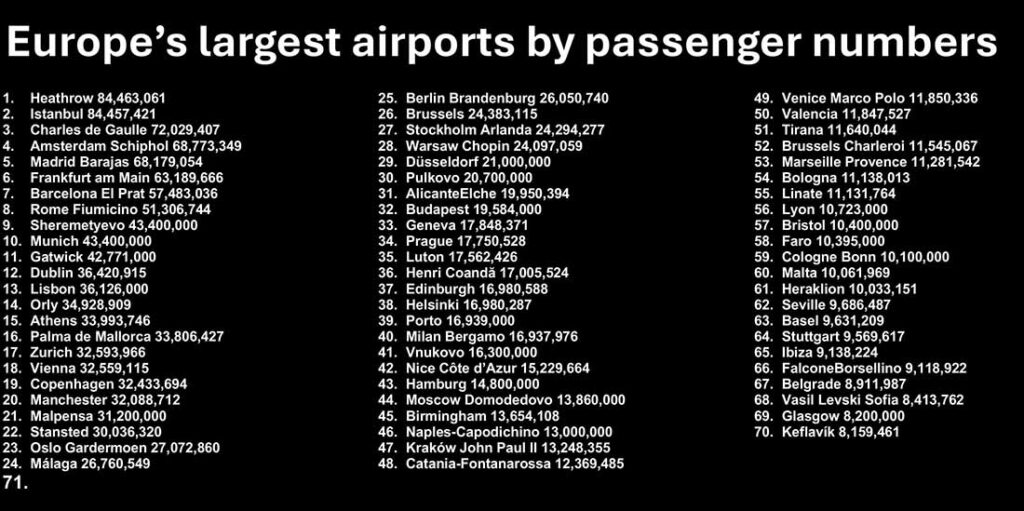
A report titled “Overshoot” from two lobby groups claims all twenty leading European airport will miss their carbon targets over the coming eight years and Dublin Airport is on track to exhaust its fair share carbon budget of approximately 27 million tonnes of CO2 by 2034.
The report focuses on the impact of aviation on national budgets. Because aviation draws from a shared national carbon budget, increased emissions from these airport expansions shift a heavier reduction burden onto other domestic sectors including agriculture, heating and general industry. The report also notes that approving governments face rising legal risks for breaching climate obligations.
A report titled Overshoot has found that permitting further growth could raise annual emissions linked to the airport by more than 65pc. The analysis covers 20 major European airports and identifies Dublin among the worst performing against a budget aligned with limiting warming to 1.7 degrees.
The findings arrive as legislation enabling the passenger cap to be raised or removed progresses through the Irish system. The Dublin Airport (Passenger Capacity) Bill 2026 would grant the Minister for Transport authority to amend or eliminate the 32 million annual passenger limit. The draft legislation exempts the Minister from obligations under the Climate Action and Low Carbon Development Act 2015.
Lobby gorups including Friends of the Irish Environment have warned that the proposed legislation bypasses core national climate laws. The report recommends aligning permitted passenger capacity with independently assessed carbon budgets, implementing a localised tax on aviation fuel, introducing VAT on airline tickets, and reallocating public funds toward cleaner transport alternatives.
Plans to expand 12 airports in Spain led by major hubs including Madrid, Barcelona, Palma and Málaga will add an estimated 35m tonnes of CO₂ and threaten the country’s national climate limits, according to a report titled Overshoot: How expansion plans break European airports’ carbon limits. The study, published in September 2026 by climate groups including Transport and Environment, warns that all 20 of the largest expanding airports examined across Europe will exceed their 1.7-degree carbon budgets.
In Spain, expansions at Madrid, Barcelona, Palma and Málaga alone, which accounted for 66pc of the nation’s departing aviation emissions in 2025, are moving forward simultaneously even as aviation emissions grow faster than in any other major European country. Madrid’s expansion by itself will generate 23m tonnes of CO₂ over 25 years, surpassing Spain’s total aviation emissions for 2025.
Related posts:
 CV Villas expands Irish operations with Total Payment Protection approval and trade partnerships
 Dublin airport asks minister to raise passenger cap to 40m in advance of abolition
 Easyjet upgrades back end systems to improve passenger experience and reduce emissions
 14 Henrietta Street receives European Heritage Award at Dublin ceremony