
Rory O’Connell of Ballymaloe Cookery School told delegates at the Irish Hotels Federation Annual Conference in Killarney that that the core of Irish hospitality rested on the food we serve alongside welcome and the taste of food, and agencies needed to continue supporting farmers, small producers, fishermen, and butchers.
He said that dishes made with minimal ingredients are the ones tourist will remember in 20 years time, and urged continued support for those who produced Ireland’s renowned ingredients, including cooks, restaurant owners, farmers, and fishermen. O’Connell praised the quality of Irish beef, lamb, butter, and even cabbage, which he described as delicious, good value, and distinctly Irish in flavour. He cited scientific evidence that dishes with minimal ingredients created lasting memories.
O’Connell pointed out that exceptional food experiences existed almost everywhere across the island, with visitors rarely more than 20 kilometres from something special on the food scene, whether a food truck, a Michelin-starred restaurant, or a grand hotel.
Maintaining consistent ingredient quality presented a major challenge even for a farm-to-table operation like Ballymaloe. O’Connell identified an opportunity in mid-level dining that offered quality Irish ingredients, ideally local, at accessible prices. He compared it to France 30 or 40 years ago, when good simple food based on local produce became widely available and appreciated.
O’Connell recalled how simple ingredients such as green gooseberries had earned Ballymaloe coverage in the New York Times and now attracted influencers with millions of followers.
O’Connell stressed the importance of not forgetting the past while building on current strengths. He believed the national tourism strategy rightly placed the culinary experience as a key driver of growth. When tourists returned home, they remembered the tastes they encountered more than buildings or people alone.
He noted that the presence of Michelin in Dublin reflected how much the perception of Irish food had changed. While Michelin-starred and creative high-end offerings remained essential, the next tier down held great potential for everyday memorable meals that connected visitors emotionally to Ireland.
Rory O’Connell shared “Food has always been central to our tourism offering, apart from the great Irish welcome. The visual offering is great, you know, and tourists hardly ever stay more than 20 kilometers away from something special, whether it’s a really amazing food truck or a Michelin star restaurant or a grand hotel of great effort. So that has all changed dramatically and for the good”
“When they come home from holidays and you think of the places you went to, the physical buildings you saw the people you meet, but the taste of things and and and that cord they offer going on and really continuing to maintain and to help all of the people who are involved in creating the taste”
The dishes that are made with the minimal amount of ingredients are the ones that can remember in 20 years time. it’s scientifically proven. So in a way dinners Nami’s dinners precisely Nami’s dinners. And our business was built on the green gooseberry, for example, which sounds like an eccentric ingredient to talk about. The green gooseberry which many some people may in the room may know about was the ingredient that got you half the page in the New York Times. Okay, it’s the ingredient now that will get the Instagrammers who have 10m followers talking about you
It is noteworthy that Michelin was in Dublin recently, you know, and that says a lot about the food scene in the country. We may have been expecting a bit more from that. We may all have a good time, I would say. Okay. I but I think that that they were here was the really important thing.”
There’s definitely an opportunity I think for somebody who doesn’t want to go to a beach restaurant every night of the week when they’re staying in Ireland and it’s like the next level down if you want to call it for a sort of prefix which is vigilantly based on quality Irish ingredients ideally as local as possible and it can be based on mommy’s cooking because that’s the food that the hitch in the gut of the solar plexus and becomes the kind of the end of the gang plank type meal”
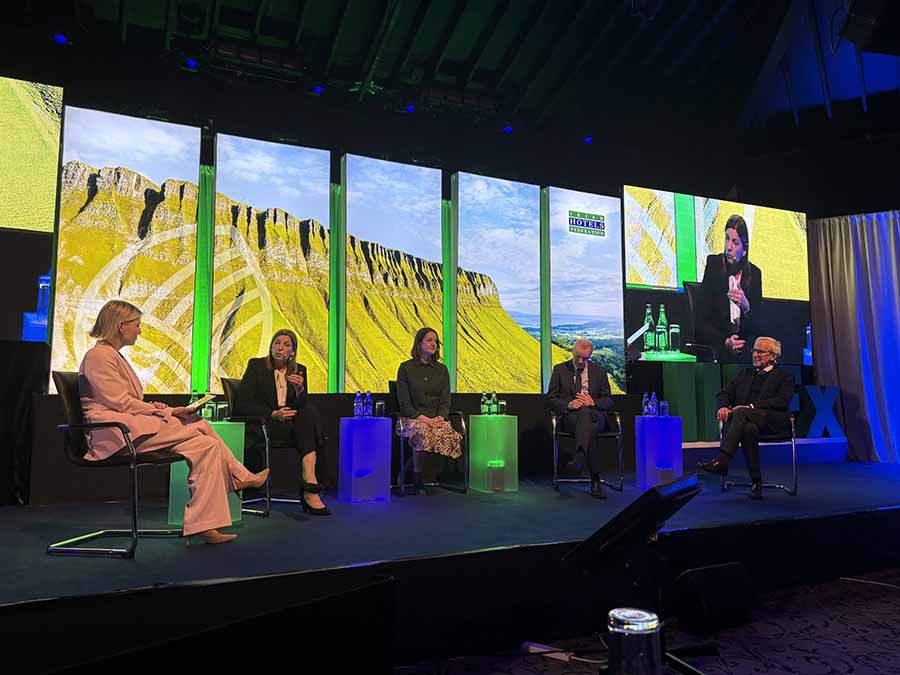
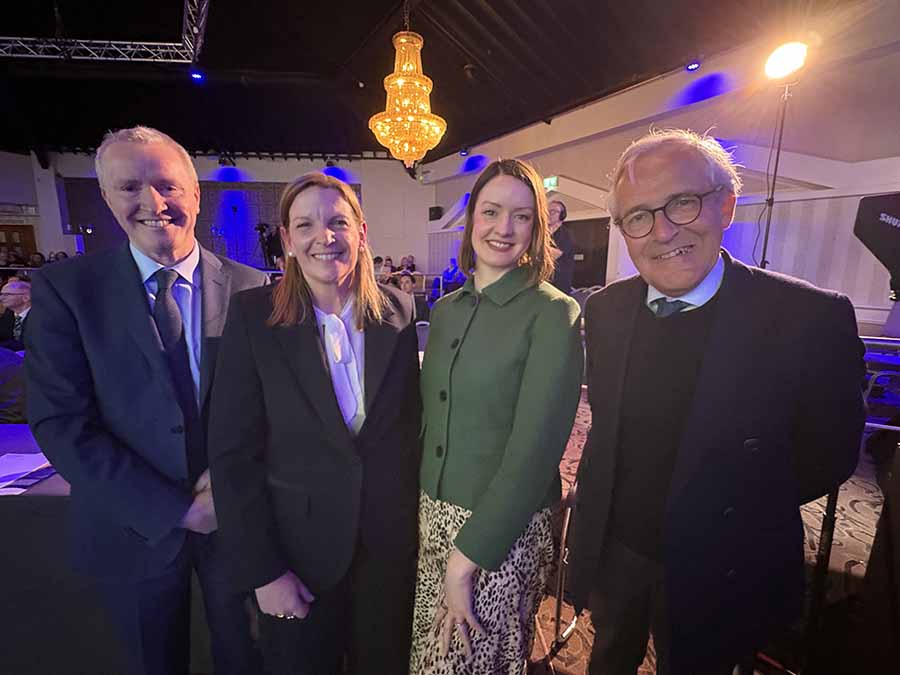
Caroline Bocquet of Fáilte Ireland
Alice Mansergh of Tourism Ireland
Rory O’Connell of Ballymaloe Cookery School