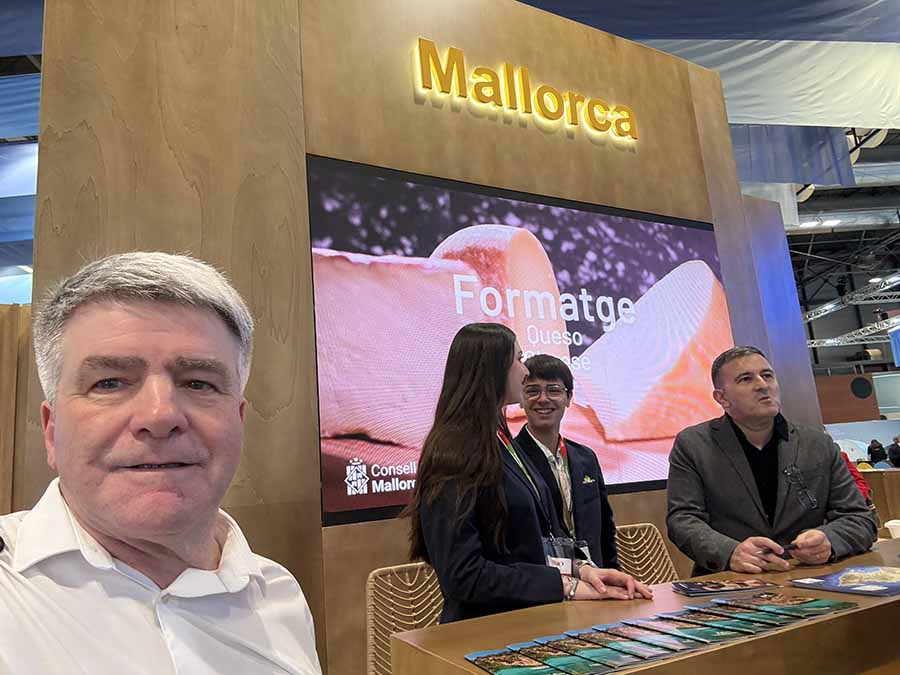
The Balearic island of Majorca (Mallorca), the largest of the archipelago and most popular with Irish visitors, continues to evolve as a premier Mediterranean destination in 2026. Amid a strategic shift towards higher-quality, more sustainable tourism-emphasising cultural immersion, heritage, and environmental stewardship over mass-market volume-the island introduces refined additions to its visitor experience. These focus on luxury hospitality, wellness, and authentic local engagement, particularly in the southwest coast, Tramuntana Mountains, and Palma area. While no major new theme parks or large-scale attractions debut, enhancements build on Majorca’s timeless appeal of beaches, mountains, historic towns, and gastronomy. in 2026
Majorca’s hotel landscape in 2026 sees a surge in upscale and boutique properties, with several high-profile openings reinforcing the island’s pivot to refined, experiential stays. These developments add premium capacity, often in restored or reimagined sites that blend contemporary design with Mallorca’s natural and cultural essence.
Mandarin Oriental Punta Negra, Mallorca: The most anticipated debut of the year, this marks Mandarin Oriental’s first property on the island, opening in spring 2026 (with first guests welcomed around July in some reports). Situated on the iconic Punta Negra peninsula in Calvi√†, near the glamorous Puerto Portals marina, the resort occupies a prime clifftop location with direct access to two secluded coves. It features 131 stylish rooms and suites-including waterfront bungalows-framed by Aleppo pines and dramatic coastline views. Highlights include innovative restaurants and bars, a signature wellness sanctuary with holistic treatments, extensive leisure facilities, and curated experiences that draw on local heritage. Interiors reflect Mediterranean elegance with subtle nods to island traditions, promising a serene, luxurious retreat.
- Gran Hotel Margalida: This restored classic property opens as a beacon of Majorca’s move away from overtourism towards authentic sophistication. Perched between sea and mountains, it offers refined Mediterranean hospitality with contemporary elegance, emphasising local culture through unfussy design and immersive experiences. It appeals to travellers seeking thoughtful luxury in a setting that honours the island’s heritage.
- Finca Banyols: A standout boutique arrival in March 2026, this 32-room retreat unfolds across over 100 hectares of olive and citrus groves in Alaró, backed by the UNESCO-listed Serra de Tramuntana. Hand-hewn stone buildings with lofty beamed ceilings and a neutral palette create a rustic-yet-modern atmosphere. Gastronomy shines with on-site produce: flame-cooked dishes at Aramesh, elevated Mallorcan flavours at Tafona 1475 (in a restored olive mill), and local wines at the Aurum bar. Honey and olive oil from the estate feature in spa treatments, enhancing the sense of place.
- St. Regis Mardavall Mallorca Resort Enhancements: The iconic luxury resort in Costa d’en Blanes reopens in early 2026 after refurbishments, including updated suites and refreshed common areas. It maintains its status as a classic five-star option, with improved facilities that complement neighbouring new openings.
Other additions include adults-only properties and reopenings in areas like Palmanova and Alc√∫dia, contributing to a broader wave of quality-focused developments. These hotels align with Majorca’s 2026 tourism strategy, prioritising cultural voyagers who value depth and sustainability.
New Visitor Attractions, Experiences, and Enhancements in 2026
Majorca’s visitor offerings in 2026 emphasise cultural renaissance, wellness, and nature-based immersion, with subtle enhancements to existing sites rather than entirely new mega-attractions. The island extends its appeal beyond summer, promoting year-round exploration of heritage, landscapes, and gastronomy.
- Cultural and Heritage Focus: As part of the shift to “Cultural Voyager” tourism, enhanced experiences highlight Palma’s Gothic splendour, including the Cathedral (La Seu), medieval Alc√∫dia, and Tramuntana villages. Investments restore historic palaces (some converted to boutique stays) and boost vineyard tours, olive oil tastings, and almond blossom events. Literary festivals, galleries, and living traditions gain prominence, with improved guided tours and interpretive materials for deeper engagement.
- Wellness and Elemental Experiences: Wellness trends amplify, with properties like the new Mandarin Oriental introducing signature sanctuaries and holistic programmes. The island’s natural elements-sea, mountains, and groves-support glow-cations (skincare-focused trips) and nature-immersed relaxation. Enhanced spa offerings incorporate local products, aligning with broader Balearic wellness growth.
- Stargazing and Celestial Events: Majorca positions itself for astrotourism, particularly around the 12 August 2026 total solar eclipse crossing northern Spain. Clifftop venues offer prime viewing with low light pollution, complemented by guided stargazing in rural areas and mountain spots. Partnerships with hotels create special packages featuring lunar-themed events and wellness rituals.
- Sustainable and Authentic Enhancements: Improved eco-friendly trails in the Tramuntana, expanded small-group tours limiting impacts on ecosystems, and better connectivity to authentic villages promote mindful travel. Palma benefits from revitalised cultural programming, while beaches in areas like Magaluf see infrastructure upgrades for cleaner, more enjoyable visits.
In 2026, Majorca delivers a more polished, meaningful visitor experience, rewarding those seeking luxury intertwined with culture and nature. With strong demand for these fresh openings-especially around peak seasons and the eclipse-early reservations for hotels and guided experiences are recommended. The island remains an enticing blend of sun-soaked relaxation and enriching discovery.