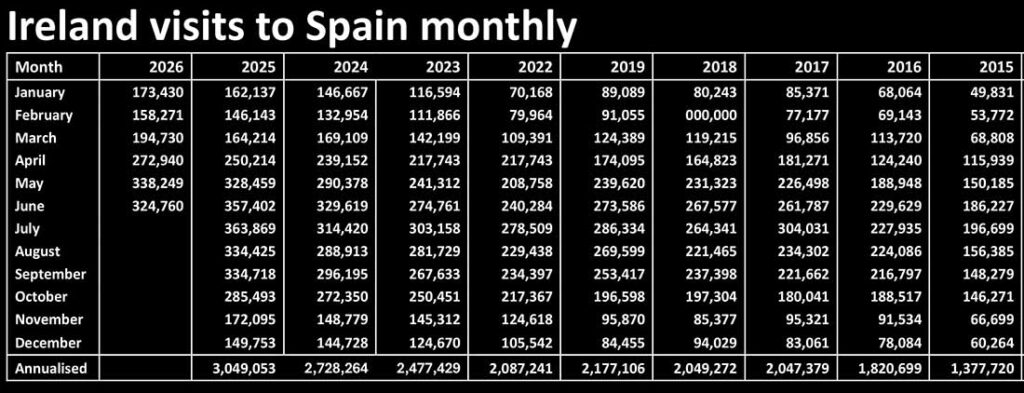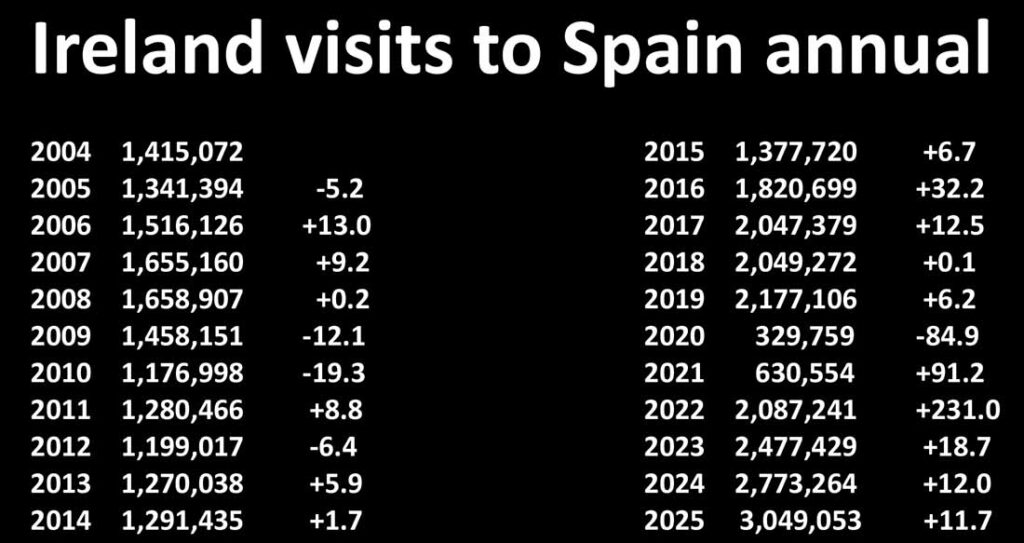
Spain is projected to surpass the historic milestone of 100m international tourist arrivals in 2026, fueled by an exceptionally strong summer travel season.with 43m international visitors forecast for the peak summer period alone, representing a sixpc increase on the previous year.
Spanish Minister of Industry and Tourism Jordi Hereu confirmed that the country is firmly on track to reach this record-breaking figure, building upon the 96.8m visitors welcomed in 2025.
Ongoing geopolitical conflicts and general instability in the Middle East and Eastern Mediterranean have heavily diverted standard tourism flows. International travelers are pivoting toward Spain as a highly stable, secure alternative. This has led to massive demand spikes, filling the inventory of coastal resorts and inland destinations alike.
The traditional mid-year peak window is seeing unprecedented momentum: Spain expects to host roughly 43m international tourists between May and August alone, scoring a 6pc year-over-year jump.
Official projections show the country reaching a cumulative count of 80m visitors by the end of August. Tourist spending is growing at a faster rate than physical arrivals. The peak summer stretch is anticipated to generate a record €64 billion ($73 billion) in revenue, while cumulative tourist spending is forecast to top €114 billion by September.
While the boom solidifies Spain’s rank as the second-most-visited global destination behind France, it has exacerbated long-standing local challenges. Rising friction over housing affordability, crowded public spaces, and short-term holiday rentals has intensified.
In response, the Ministry of Tourism is explicitly moving away from its classic “sun, sand, and coast” framework. The updated strategy focuses on marketing lesser-known inland rural municipalities, pushing off-season travel windows, and enforcing strict local housing regulations (such as Barcelona’s plan to phase out short-term rental permits) to manage visitor numbers sustainably.