A striking quote from the Canarian poet José María Millares Sall, who was influenced by the landscapes of Lanzarote, comes from his poem Canto al viento (1950): “Lanzarote, isla de fuego, donde el volcán susurra su verdad” (“Lanzarote, island of fire, where the volcano whispers its truth”). This line vividly captures the island’s dramatic volcanic terrain, shaped by eruptions and dotted with black lava fields, reflecting its raw, elemental beauty and
The poet’s deep connection to its stark, otherworldly landscapes.
the 2011 Spanish film El Mar de Plástico, directed by Alejandro Amenábar, references Lanzarote’s unique Timanfaya National Park, a surreal expanse of volcanic craters and ash. A character remarks, “En Lanzarote, la tierra parece la luna, pero respira vida bajo el silencio” (“In Lanzarote, the land looks like the moon, but it breathes life beneath the silence”). This line highlights the island’s alien-like scenery, a hallmark of its identity, while also nodding to its vibrant cultural and ecological resilience, shaped by artists like César Manrique who celebrated Lanzarote’s harmony between nature and human creativity.
The island:
For travellers planning a summer holiday in 2026, Lanzarote offers a unique blend of volcanic landscapes, pristine beaches, and cultural charm. This Canary Island provides an engaging and relaxed experience, ideal for those seeking nature, art, and culinary delights.
Begin in Arrecife, where the Castillo de San Gabriel, a historic fortress, houses a small museum of local history. Its waterfront location offers scenic views across the harbour. The nearby Charco de San Ginés, a tranquil lagoon lined with whitewashed buildings and fishing boats, invites leisurely strolls and relaxed meals at seaside cafés.
Lanzarote’s volcanic terrain shines in Timanfaya National Park, where guided tours reveal dramatic lava fields and geothermal displays. Visitors can explore the park on foot or by camel, enjoying panoramic views of its otherworldly landscape. The Jameos del Agua, a volcanic cave transformed by artist César Manrique, combines natural beauty with artistic design, featuring a serene underground lake and open-air gardens.
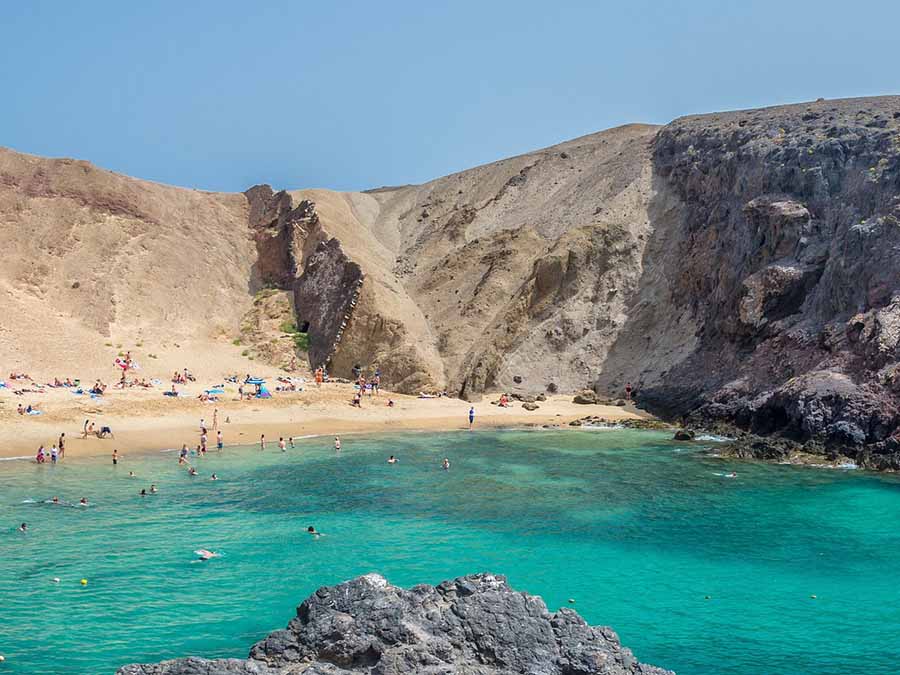
Beachgoers will find plenty to love at Playa Blanca or Famara Beach. Playa Blanca’s calm waters are perfect for swimming, while Famara’s golden sands and waves attract surfers and kiteboarders. For a quieter retreat, the coves of Papagayo offer crystal-clear waters and secluded spots for relaxation.
Food enthusiasts can savour Lanzarote’s cuisine at local restaurants like Casa Rafa in El Golfo, where fresh fish and papas arrugadas with mojo sauce are staples. The island’s unique wine region, La Geria, invites visitors to sample malvasía wines grown in volcanic soil. Wineries such as Bodega El Grifo offer tastings and tours, showcasing the island’s winemaking traditions.
Lanzarote’s cultural heritage is evident in the works of César Manrique. His former home, now the Fundación César Manrique, displays art amidst lava flows and bubble-like rooms. The Mirador del Río, another Manrique creation, provides stunning views of the neighbouring island of La Graciosa, accessible by a short ferry ride.
Outdoor activities abound, with hiking trails in the Los Volcanes Natural Park offering paths through lava fields and craters. Cyclists can explore coastal routes, while diving schools in Puerto del Carmen provide opportunities to discover underwater caves and marine life. Families will enjoy the island’s welcoming vibe, with free attractions like the Jardin de Cactus, a Manrique-designed garden filled with global cacti species.
The historic town of Teguise, with its cobbled streets and colonial architecture, offers a charming day trip. Its weekly market, brimming with local crafts and produce, adds to the experience. Evening walks along Puerto del Carmen’s promenade, followed by dinner at a waterfront restaurant, create a perfect end to the day.
Lanzarote in the summer of 2026 promises a mix of natural wonders, artistic heritage, and laid-back island life. Whether exploring volcanic parks, lounging on beaches, or enjoying local wines, visitors will find this Canary Island a rewarding destination.
The visit:
Lanzarote, the easternmost of Spain’s Canary Islands, is a captivating destination known for its otherworldly volcanic landscapes, pristine beaches, and sustainable tourism ethos, shaped by the legacy of artist César Manrique. In 2026, visitors can expect a blend of natural wonders, cultural attractions, and vibrant local life, with new initiatives enhancing eco-tourism, art, and accessibility.
Lanzarote’s dramatic, lunar-like terrain, a UNESCO Biosphere Reserve, is a highlight, shaped by eruptions between 1730 and 1736.
- Timanfaya National Park: A must-visit, attracting over 1 million visitors annually. Explore the Montañas del Fuego (Fire Mountains) via guided bus tours through colorful volcanic cones and lava fields. Watch geothermal demonstrations, like water turning into geysers, and dine at Restaurante El Diablo, where food is cooked using volcanic heat. Entry: €12, open 9:00 AM–5:45 PM.
- Cueva de los Verdes: An 8km lava tube formed by the Monte Corona eruption, with a 2km section open to visitors. Guided tours showcase dramatic lighting and surreal rock formations in shades of red, grey, and ochre. Entry: €10, open 10:00 AM–6:00 PM.
- Los Hervideros: A rugged coastal site where waves crash into volcanic cliffs, creating spectacular water displays. Free to visit, best at high tide for photographers.
- Salinas de Janubio: The largest salt flats in the Canaries, offering striking views of black sand, white salt mounds, and pinkish lagoons. Visit the nearby Mirador de las Salinas for sunset dining. Free entry, open access.
- El Golfo and the Green Lagoon: A vibrant emerald lake formed by algae in a volcanic crater, contrasting with black sand and red cliffs. A short walk from the village of El Golfo, known for fresh fish restaurants. Free to visit.
Beaches and Coastal Activities
Lanzarote’s beaches range from lively resorts to secluded coves, catering to sunbathers, surfers, and families.
- Playa de Papagayo: A series of sheltered, golden-sand beaches in Los Ajaches Nature Park, ideal for snorkeling and sunset views. Access by car or water taxi from Playa Blanca (€3–5 parking).
- Playa Blanca: A family-friendly beach with calm waters and nearby restaurants, perfect for kids.
- Famara Beach: A 5km stretch on the northwest coast, popular for surfing and kitesurfing due to Atlantic breezes. The cliff backdrop adds drama.
- Playa de las Conchas (La Graciosa): A pristine, turquoise-water beach on the nearby island of La Graciosa, accessible by a 30-minute ferry from Órzola (€20 round trip). Ideal for a tranquil day trip. : Windsurfing, diving, and kayaking are widely available, especially in Costa Teguise and Puerto del Carmen. Submarine tours in Puerto Calero offer underwater views of marine life (€59).
César Manrique’s Cultural Legacy
- The artist’s influence is everywhere, blending art with nature in sustainable designs.
- Jameos del Agua: A volcanic tunnel transformed into a cultural center with a lagoon, concert hall, and restaurant. Home to rare albino crabs. Entry: €10, open 10:00 AM–6:30 PM.
- Mirador del Río: A 400m-high lookout with panoramic views of La Graciosa, designed as a former naval battery. Features a café and glass-walled platform. Entry: €5, open 10:00 AM–5:00 PM.
- Jardín de Cactus: Manrique’s final work, housing 4,500 cacti species across 450 varieties. A serene spot with a café and windmill. Entry: €6.50, open 10:00 AM–5:00 PM.
- César Manrique Foundation: His former studio-home in Tahíche, now a museum showcasing his art and volcanic architecture. Entry: €8, open 10:00 AM–6:00 PM.
- Lagomar Museum: A stunning house built into a lava quarry, once owned by Omar Sharif, with art galleries and a cave restaurant. Entry: €6, open 10:00 AM–6:00 PM.
Gastronomy and Wine
- Lanzarote’s cuisine reflects its sea and volcanic soil, with sustainable dining options.
- Dishes: Try sancocho (salted sea bream stew), papas arrugadas (wrinkled potatoes) with mojo rojo or mojo verde sauces, and fresh fish like red sea bream. Desserts include bienmesabe (almond cream).
- Dining Spots: Sabor in Playa Blanca for seafood paella, El Risco in Famara for fish with ocean views, and Casa de la Playa in El Golfo for fresh catch. Tapas bars in Arrecife’s Charco de San Ginés offer affordable bites.
- La Geria Wine Region: Volcanic vineyards produce unique Malvasía wines. Visit Bodegas El Grifo, the oldest winery (founded 1775), for tours, a wine museum, and tastings (€12). Organic and biodynamic wines are gaining prominence.
- Markets: Teguise’s Sunday market, the largest in the Canaries, offers local cheeses, wines, and mojo sauces. Haría’s Saturday artisan market is smaller but authentic.
Towns and Resorts
- Lanzarote’s resorts and villages cater to diverse preferences, from lively nightlife to quiet retreats.
- Puerto del Carmen: The largest resort, known for vibrant nightlife along Avenida de las Playas, with bars like Waikiki and Havana. Playa Grande is ideal for watersports.
- Playa Blanca: A family-friendly southern resort with modern amenities, calm beaches like Playa Dorada, and ferry access to Fuerteventura.
- Costa Teguise: Central and great for first-timers, with Blue Flag beaches like Playa Bastian and activities like windsurfing. Home to Aquapark Costa Teguise.
- Arrecife: The capital, offering urban vibes with shopping at Centro Comercial Biosfera Plaza, historic Castillo de San Gabriel, and a lively harbour.
- Haría: A northern village in the “Valley of a Thousand Palms,” with traditional Canarian architecture and a relaxed vibe.
- La Graciosa: A car-free island with 600 residents, accessible by ferry, offering unspoiled beaches and hiking trails.
Cultural Events and Festivals
- Lanzarote’s calendar is packed with vibrant events, many free to attend.
- Carnival (February/March): Colorful parades, costumes, and fireworks in Arrecife and Puerto del Carmen, rivaling Tenerife’s celebrations.
- Corpus Christi (June): Arrecife’s streets are adorned with intricate sea salt carpets near Iglesia de San Ginés, displayed for one day before a procession.
- Canary Islands Day (May 30): Celebrates regional culture with traditional dress, food, and folk music across the island.
- Visual Music Festival (October): Contemporary music in volcanic caves like Jameos del Agua, blending nature and sound.
- Christmas: Festive markets, Santa parades in Puerto del Carmen, and warm weather for outdoor celebrations.
Outdoor Activities
- Lanzarote’s terrain and climate (16–28°C year-round) make it ideal for adventure.
- Hiking and Cycling: Trails in Timanfaya, Los Volcanes Natural Park, and Caldera Blanca offer stunning views. Coastal paths like Puerto del Carmen to Puerto Calero are beginner-friendly.
- Water Sports: Surfing at Famara, diving in Playa Blanca, and windsurfing in Costa Teguise. Rentals and lessons are widely available (€30–50/hour).
- Paragliding: Soar over volcanic landscapes for €100–150, with operators in Famara and Teguise.
- Stargazing: Lanzarote’s low light pollution makes it a Starlight Reserve. Join tours at the Cosmolarium in Hornos de Segura or private sessions (€20–40).
Practical Information
- Climate: Mild, sunny weather year-round (20–24°C in winter, 25–28°C in summer). Evenings can be chilly (bring a fleece). Rain is rare, mostly December–March.
- Getting There: César Manrique Lanzarote Airport (ACE), 6km from Arrecife, has flights from Europe (4h15m from Ireland) via Ryanair, EasyJet and Aer LIngus.
- Getting Around: Rent a car (€30–50/day) for flexibility, as the island is 60km by 30km. Guaguas buses connect resorts, and taxis are affordable. Ferries link to La Graciosa and Fuerteventura.
- Currency and Language: Euro (€). Canarian Spanish is spoken, but English is common in tourist areas.
- Accommodation: Options range from luxury resorts like Princesa Yaiza Suite Hotel (€150–300/night) to budget apartments in Puerto del Carmen (€50–80/night). All-inclusive hotels like Sandos Papagayo cater to families.
What’s New for 2026 in Lanzarote
In 2026, Lanzarote continues to evolve as a sustainable, high-quality destination within the Canary Islands, emphasising mindful tourism, volcanic landscapes, César Manrique’s artistic legacy, and enhanced visitor experiences without overwhelming its UNESCO Biosphere Reserve status. Key updates focus on improved infrastructure, deeper cultural and eco-immersive activities, and new accommodation options that blend luxury with the island’s unique volcanic aesthetic.
Here are the main developments for visitor experience in 2026, illustrated with notable new or opening hotels:
- Expanded coastal promenade and connectivity: The 30-kilometre paved coastal path linking Puerto del Carmen to Playa Blanca, completed in phases and fully accessible in 2026, offers scenic walking, cycling, and views of black-sand beaches and Atlantic waves, promoting active, low-impact exploration along the southeast coast.
- Enhanced César Manrique sites and cultural immersion: Several Manrique-inspired attractions (like Jameos del Agua, Cueva de los Verdes, and the Fundación César Manrique) receive accessibility upgrades and interpretive enhancements, allowing deeper appreciation of his harmonious integration of art, nature, and architecture in volcanic settings.
- Sustainable biosphere and conservation-focused activities: As a UNESCO Biosphere Reserve, Lanzarote introduces more guided eco-tours, stargazing (leveraging its low light pollution), and conservation experiences in 2026, encouraging responsible interaction with the island’s 300+ volcanic cones, lava tubes, and endemic species.
- Blue tourism and cruise enhancements: The renovated Playa Blanca commercial port (with over €40 million invested for sustainability) better accommodates boutique and medium-sized cruise ships, boosting “blue tourism” experiences like marine activities, sailing regattas starting from Playa Blanca, and seamless access to southern beaches and marinas.
- Expanded wine and gastronomy in La Geria: The volcanic wine region gains momentum with new tastings, vineyard tours, and pairings highlighting Lanzarote’s unique malvasía and listán negro wines grown in ash pits, aligning with aspirations for further UNESCO recognition and offering authentic culinary immersion.
- New expansive resort in Costa Teguise: Gloria Palace Costa Teguise opens in 2026 as a large-scale resort adding 352 rooms in the northern town of Costa Teguise. It provides modern facilities, pools, and beach proximity, catering to families and groups seeking comfortable, all-inclusive-style stays with easy access to northern beaches and attractions.
- Upcoming luxury in Playa Blanca: Hotel 5E (a five-star property) launches in 2026 with 342 rooms in the southern resort area of Playa Blanca. This upscale addition focuses on premium amenities, spa facilities, and proximity to golden beaches, Papagayo, and Marina Rubicón, appealing to those wanting refined relaxation amid southern Lanzarote’s calmer vibes.
- Intimate boutique experience in La Geria: A small Boutique Vineyard Hotel debuts in 2026 with just six exclusive rooms set in the wine-producing La Geria region. It offers personalised stays immersed in volcanic vineyards, wine tastings on-site, and serene, authentic rural charm for couples or wine enthusiasts seeking privacy and connection to local traditions.
- Some highly publicised projects, like a smaller 97-room five-star near Marina Rubicón in Playa Blanca, are under construction in early 2026 but target later openings (around 2028).
Renovations, such as at Seaside Los Jameos (upgrading to full five-star status), add refreshed luxury options without being entirely new builds. Overall, 2026 prioritises quality enhancements over mass expansion, preserving Lanzarote’s otherworldly, low-key appeal—book ahead for popular experiences and check official tourism sites for the latest details. Enjoy the island’s timeless volcanic magic responsibly
Practical Tips for Visitors
- Duration: Spend 4–7 days to cover Timanfaya, Manrique sites, beaches, and a day trip to La Graciosa. Two days suffice for a quick resort-based trip.
- Accommodation: Book early for summer or Carnival (February–March). Budget options in Costa Teguise (€40–60/night); luxury in Playa Blanca (€150–300/night).
- Dining: Meals are affordable (€10–20/person). Free tapas with drinks are less common than in mainland Spain. Book restaurants in El Golfo for peak times.
- Tours: Buy CACT ticket bundles (€20–30) for discounts on Manrique sites and Timanfaya. Book guided tours for Timanfaya or Cueva de los Verdes in advance.
- Budget-Friendly: Visit in May or September–October for fewer crowds and lower prices. Free attractions include Los Hervideros and El Golfo’s lagoon.
- Safety: Lanzarote is safe, but watch for pickpockets in markets. Stick to marked trails in Timanfaya.
- ETIAS and Documentation: Non-EU visitors should apply for ETIAS online before mid-2026 travel and carry proof of insurance and bookings.
In 2026, Lanzarote offers a unique blend of volcanic landscapes, turquoise beaches, and Manrique’s artistic vision, appealing to nature lovers, culture seekers, and adventure enthusiasts. Visitors can hike Timanfaya’s craters, relax on Papagayo’s sands, or sip volcanic wines in La Geria, all while enjoying a mild climate and vibrant festivals like Carnival or Arrecife en Vivo. New for 2026, enhanced eco-tourism, a flourishing art scene, and improved accessibility make the island more inviting, though non-EU travellers should prepare for ETIAS requirements. Whether exploring hidden coves or savoring fresh fish in El Golfo, Lanzarote delivers an unforgettable, sustainable escape in the Canary Islands.
Off the beaten path
Lanzarote, the easternmost of Spain’s Canary Islands, is celebrated for its volcanic landscapes, César Manrique’s artistic legacy, and pristine beaches, but beyond the well-known attractions like Timanfaya National Park and Jameos del Agua, the island hides a wealth of lesser-known gems. These off-the-beaten-track locations and attractions offer authentic, uncrowded experiences, showcasing Lanzarote’s rugged beauty, cultural depth, and unique microclimates. Perfect for travellers seeking solitude and discovery in 2026, here’s a curated selection of hidden spots across the island, ideal for exploring its quieter corners.
- Playa del Risco and Camino de los Gracioseros:
- Northwest Lanzarote, near Yé, accessible via a trail from Mirador del Río. Playa del Risco is a secluded, pristine beach at the base of the Famara cliffs, reachable only by a challenging 1-hour hike down the Camino de los Gracioseros, a historic path used by locals to trade with La Graciosa. Its remoteness ensures solitude, far from the crowds of Papagayo or Playa Blanca.
- Hike the 2.5km trail (moderate to strenuous, 400m descent) through volcanic terrain, with breathtaking views of La Graciosa and the Chinijo Archipelago. The path’s zig-zag descent is a photographer’s dream.
- Relax on the untouched white-sand beach, framed by turquoise waters and towering cliffs, ideal for swimming or a picnic (no facilities).
- Spot marine life like crabs or small fish in the clear shallows, or watch soaring seabirds like Cory’s shearwaters.
- Return at sunset for golden light on the cliffs, but start the ascent early to avoid darkness. The combination of a rewarding hike and an isolated beach offers a raw, unspoiled Lanzarote experience, contrasting with the island’s busier resorts. Wear sturdy hiking shoes, bring water, snacks, and sun protection, as there’s no shade or amenities. Check tide times, as high tides can narrow the beach. A car is needed to reach the trailhead near Yé, accessible from Mirador del Río.
- Caleta de Sebo and La Graciosa’s Hidden Corners:
- La Graciosa, a small island 30 minutes by ferry from Órzola, north Lanzarote. While La Graciosa is known for Playa de las Conchas, the tiny village of Caleta de Sebo and the island’s less-visited beaches and trails offer a car-free, tranquil escape. With only 600 residents and no paved roads, it feels like a step back in time.
- Wander Caleta de Sebo’s sandy streets, lined with whitewashed houses and small fish restaurants like Casa Enriqueta, serving fresh sama (sea bream) and papas arrugadas.
- Hike or cycle (bike rentals €10/day) to Playa de la Francesa, a secluded southern beach with calm, turquoise waters, less crowded than Las Conchas.
- Explore the Montaña Amarilla trail, a 3km loop to a yellow volcanic cone with panoramic views of La Graciosa’s coastline and Lanzarote’s Famara cliffs.
- Visit Pedro Barba, a near-abandoned fishing hamlet with a handful of holiday homes, offering eerie quiet and a small beach. La Graciosa’s minimalist, off-grid lifestyle and untouched landscapes provide a rare sense of isolation, just a short ferry ride from Lanzarote’s bustle. Book ferries (€20 round trip) via Líneas Romero or Biosfera Express in advance, especially in summer. Bring cash for small eateries. Visit in spring or autumn for mild weather (20–25°C). Stay overnight in a Caleta de Sebo guesthouse (€50–80/night) for a deeper experience.
Los Volcanes Natural Park:
- Central Lanzarote, west of Tías, bordering Timanfaya National Park. This lesser-known park offers a quieter alternative to Timanfaya’s busy bus tours, with free-access hiking trails through volcanic craters and lava fields. Its raw, lunar-like terrain is perfect for adventurers seeking solitude.
- Hike the Caldera Blanca trail (10km, moderate, 3–4 hours), circling a massive white crater with views of Timanfaya’s red cones and the Atlantic. The trail passes lava channels and rare endemic plants like Euphorbia balsamifera.
- Explore the Montaña Colorada loop, a shorter 4km trail around a red-and-black volcano, with a striking volcanic bomb (a large lava rock) as a landmark.
- Spot local wildlife, such as Barbary partridges or Houbara bustards, and rare lichens thriving in the arid soil.
- Visit at dawn for cooler temperatures and soft light, ideal for photography. Unlike Timanfaya’s restricted access, Los Volcanes allows free exploration, offering an intimate encounter with Lanzarote’s volcanic heart without crowds. Park at the trailhead near Mancha Blanca (car required). Bring water, sunscreen, and a hat, as there’s no shade. Stick to marked paths to protect the fragile ecosystem. Combine with a visit to nearby Tinajo’s traditional Canarian church.
Haría and the Bosquecillo:
- Northern Lanzarote, in the Valley of a Thousand Palms. Haría, a lush village often bypassed for coastal resorts, is Lanzarote’s greenest spot, with palm groves and traditional architecture. The nearby Bosquecillo, a hidden picnic area and viewpoint, offers a serene escape with panoramic views.
- Stroll Haría’s quiet streets, visiting the Church of Nuestra Señora de la Encarnación and the César Manrique House-Museum, his final home (less crowded than the Tahíche Foundation, €10 entry).
- Drive or hike to the Bosquecillo, a eucalyptus-shaded picnic spot at 600m, with trails leading to cliffs overlooking Famara Beach and La Graciosa. The 2km loop is easy and family-friendly.
- Shop at Haría’s Saturday artisan market (10:00 AM–2:00 PM), a low-key alternative to Teguise’s busy market, for local cheeses, mojo sauces, and handmade jewelry.
- Dine at La Tegala, a cozy restaurant serving Canarian dishes like goat in Malvasía wine with palm honey desserts. Haría’s verdant microclimate and the Bosquecillo’s tranquil trails contrast with Lanzarote’s arid south, offering a refreshing, locals-focused experience. A car is ideal, though bus 7 from Arrecife serves Haría. Visit in spring for blooming wildflowers or winter for cooler hikes (16–20°C). Bring a picnic for Bosquecillo, as facilities are minimal.
Charco de los Clicos (Alternative Access):
- El Golfo, southwest Lanzarote. While the Green Lagoon (Charco de los Clicos) is a known sight, accessing it via lesser-used coastal paths from El Golfo village or nearby coves avoids the crowded main viewpoint, offering a more intimate experience of this emerald volcanic lake.
- Walk the coastal path from El Golfo’s harbour (1.5km, easy), passing black sand beaches and red cliffs, to reach a quieter angle of the lagoon, formed by algae in a sunken crater.
- Explore nearby Playa de los Clicos, a secluded black-pebble beach with dramatic rock formations, perfect for photography or meditation.
- Visit the Charco de los Chochos, a smaller, lesser-known tidal pool nearby, where locals fish for crabs, offering a glimpse into traditional life.
- Dine at Restaurante Costa Azul in El Golfo, savoring fresh lapas (limpets) or grilled octopus with lagoon views. The alternative coastal approach provides a peaceful, crowd-free perspective on one of Lanzarote’s iconic natural wonders, with added local flavour. Park in El Golfo (free) and wear sturdy shoes for rocky paths. Visit at sunrise or late afternoon for soft light and fewer people. Avoid swimming in the lagoon to protect its ecosystem.
Teguise’s Ermita de las Nieves:
- Central Lanzarote, atop Guatiza’s volcanic ridge, 5km from Teguise. The Ermita de las Nieves, a small 17th-century chapel at 600m, is Lanzarote’s highest religious site, offering sweeping views of the island’s volcanoes, coast, and La Graciosa. Its remote location and spiritual ambiance make it a hidden gem for hikers and contemplatives.
- Hike the 2km trail (moderate) from Guatiza village to the whitewashed chapel, passing volcanic vineyards and rare endemic flora like Limonium bourgeaui.
- Enjoy 360-degree views from the mirador, spotting Timanfaya’s cones, Famara’s cliffs, and Arrecife’s skyline on clear days.
- Visit the chapel’s simple interior (open sporadically), dedicated to the Virgin of the Snows, a nod to Lanzarote’s maritime traditions.
- Pair with a stop at nearby Bodega La Geria for a quieter wine tasting, avoiding the busier El Grifo winery. The chapel’s isolated, windswept setting and panoramic vistas offer a spiritual and scenic retreat, far from Teguise’s bustling Sunday market. A car is needed to reach Guatiza; park at the trailhead. Bring a jacket for windy conditions. Visit in autumn or spring for mild weather (20–25°C). Check chapel hours with Teguise’s tourism office.
Punta Mujeres and Piscinas Naturales:
- Northeast Lanzarote, 2km north of Arrieta. Punta Mujeres, a small fishing village, is a low-key alternative to Arrieta’s touristy vibe, known for its natural tidal pools (piscinas naturales) carved into volcanic rock. These crystal-clear pools offer safe swimming and a glimpse into local life.
- Swim or snorkel in the piscinas naturales, a series of interconnected pools with calm, turquoise waters, ideal for families or those avoiding strong currents.
- Wander the village’s whitewashed streets, dotted with fishing boats and small bars like Bar La Piscina, serving calamares a la plancha and mojo verde.
- Visit the nearby Aloe Vera Museum in Punta Mujeres, a free, low-key exhibit on Lanzarote’s aloe industry, with local products for sale.
- Explore the Cueva de la Paloma, a small volcanic cave reachable by foot, used historically by fishermen for shelter. Punta Mujeres’ unpretentious charm and natural pools provide a relaxed, authentic coastal experience, contrasting with Costa Teguise’s resorts. A car is recommended, though bus 9 from Arrecife stops nearby. Bring water shoes for rocky pool edges. Visit at high tide for fuller pools and in spring for fewer visitors. Free parking is available.
Practical Tips for Offbeat Exploration
- Transportation: A rental car (€30–50/day) is essential for most locations, as public buses (Guaguas) are limited outside resorts. Roads are well-maintained, but some trails (e.g., Playa del Risco) require careful navigation. Ferries to La Graciosa (€20 round trip) run regularly from Órzola.
- Timing: Spring (April–May) and autumn (September–October) offer mild weather (20–25°C) and fewer crowds. Winter (16–20°C) is ideal for hiking, while summer (25–28°C) suits beach visits but can be busy. Evenings are cool year-round (bring a fleece).
- Language: Canarian Spanish is spoken, but English is common in tourist areas. In remote villages like Punta Mujeres, basic Spanish (“hola,” “gracias,” “dónde está…”) or a translation app helps.
- Accommodation: Stay in casas rurales in Haría or Teguise (€50–100/night) for a local vibe, or budget apartments in Arrieta (€40–60/night) for proximity to northern gems. Book early for summer or Carnival (February–March).
- Guides and Tours: Book hiking guides for Caldera Blanca or stargazing tours via Lanzarote tourism offices or operators like Eco Insider (€20–50). Check chapel or cave access with local authorities, as hours vary.
- Sustainability: Stick to marked trails in Los Volcanes or La Graciosa to protect fragile ecosystems. Avoid touching the Green Lagoon or removing volcanic rocks. Support local eateries and markets.
- Dining: Village restaurants offer affordable meals (€8–15/person), often with fresh fish or papas arrugadas. Bring cash for small bars, as cards may not be accepted. Pack snacks for remote hikes or beaches.
These offbeat locations reveal Lanzarote’s raw, unfiltered beauty, from the secluded sands of Playa del Risco to the starry skies above Ermita de las Nieves. They offer a chance to connect with the island’s volcanic soul, engage with local traditions in villages like Punta Mujeres, and savor solitude in places like Los Volcanes. Whether hiking ancient paths, swimming in natural pools, or exploring La Graciosa’s untouched shores, these hidden spots promise a deeper, more personal experience of Lanzarote in 2026, showcasing the island’s wild heart beyond the tourist trail.
Spain region by region
Almería – Andalusia – Aragón – Asturias – Basque Country – Cádiz – Cantabria – Catalonia – Córdoba – Extremadura – Fuerteventura – Galicia – Gran Canaria – Granada – Huelva – Ibiza – Jaén – La Mancha – La Rioja – Lanzarote – León – Madrid – Majorca – Málaga – Menorca – Murcia – Navarra – Seville – Tenerife – Valencia –