- St Patrick’s Well (Tobair Phádraig), Tullaghan — A revered holy well near the Sligo border, linked to St Patrick who reputedly blessed it during his travels; its pre-Christian sanctity as a healing spring persists in traditions of cures for ailments, drawing pilgrims for prayer and ritual.
- Tobair na Bheartha (Well of the Shaving), near Tullaghan — Another site tied to St Patrick and his companions, who legend says paused here to shave; originating from ancient veneration of waters, it remains a quiet spot for reflection and devotion.
- St Brigid’s Well, near Killargue — Dedicated to St Brigid (with possible pre-Christian goddess associations), this peaceful well attracts visitors year-round for drinking its waters, praying, and seeking blessings in serene surroundings.
- St Patrick’s Well, Miskaun Glebe (near Aughnasheelin) — A sacred spring associated with St Patrick, valued for its curative properties since ancient times; pilgrims visit to rub or drink the water, honouring its enduring spiritual legacy.
- St Molaise’s Well and Shrine, near Rossinver (Ballaghmeehan parish) — Linked to St Molaise (a 6th-century saint and patron of the local Meehan clan), this site blends early Christian devotion with older reverence for holy waters, serving as a place of pilgrimage and clan heritage.
- Holy Well in Killargue townland — A traditional pilgrimage spot with roots in pre-Christian water worship, later Christianised; visitors perform rounds or prayers here, appreciating its tranquil setting amid Leitrim’s hills.
- Holy Well in Bunduff (St Patrick’s Well/Shaver’s Well variant) — Connected to St Patrick’s legendary journey, this well reflects ancient sacred spring customs adapted to Christian lore, inviting quiet contemplation and ritual visits.
- Holy Well in Ballinaglerah townland — An ancient site with pre-Christian origins as a venerated water source, now a modest place of pilgrimage where locals and visitors seek healing and spiritual solace through time-honoured practices.
County Leitrim:
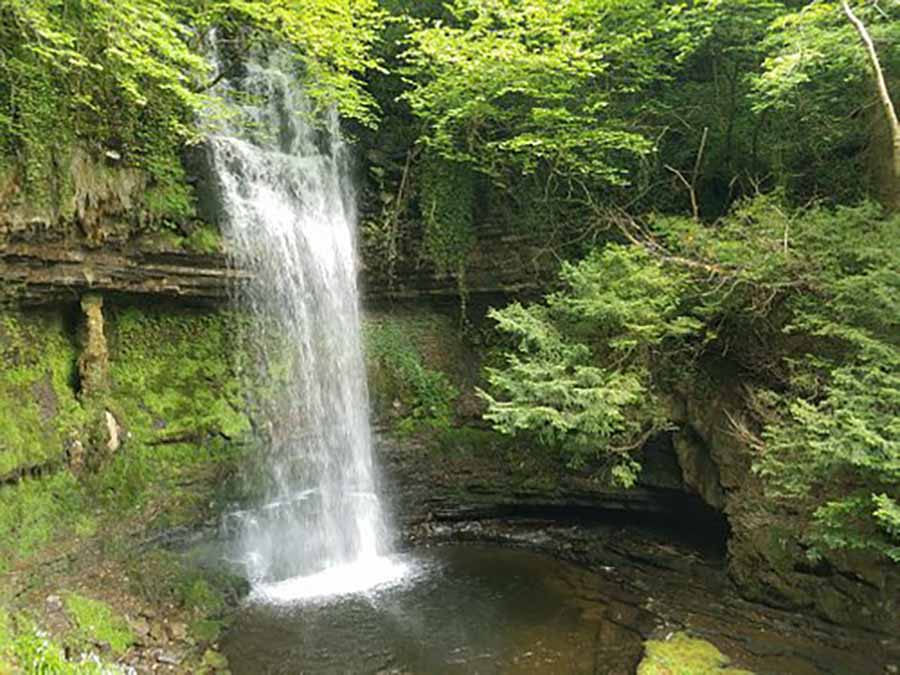
Ireland’s county Leitrim is a haven of waterways and unspoilt scenery, with the Shannon-Erne Waterway offering tranquil boating and fishing opportunities. Carrick-on-Shannon’s historic Costello Chapel and vibrant marina provide cultural and leisurely appeal, while Glencar Waterfall adds natural beauty. Leitrim is Ireland’s seventh smallest county by size (1,525 square km) and smallest by population (35,199). Population peaked at 155,297 in 1841 and reached its lowest point, 25,057 in 1996. In terms of hospitality, Leitrim is Ireland’s 29th most visited tourist county with around 39,000 international visitors per year.
Introduction – Adventure – Anthem – Archaeology – Attractions – Awards – Birdwatching – Camping – Castles – Churches – Contact list – Cycling – Dining – Equestrian – Festivals – Fishing – Folklore – Gardens – Golf – Graveyards – Happening – Haunted – Highest – Hiking – History – Holy Wells – Hotels – Hotels8 – Instagrammable – Itineraries – Largest town – Luxury – MICE – Movies – Musicians – Name – New – Novelists – Off the beaten track – Poets – Pubs – Quotes – Random Facts – Restaurant Awards – Sacred Places – Saints – Spas – Sports – Sunsets– Sustainable – Things to do – Towns – Video – Villages – Walking – Wanderlist – Weddings – Wild swimming – Writers – 1837 – 1846 – 1852 – 1909 – 1955 – 1980 –
Sacred Places
Antrim – Armagh – Carlow – Cavan – Clare – Cork – Derry – Donegal – Down – Dublin – Fermanagh – Galway – Kerry – Kildare – Kilkenny – Laois – Leitrim – Limerick – Longford – Louth – Mayo – Meath – Monaghan – Offaly – Roscommon – Sligo – Tipperary – Tyrone – Waterford – Westmeath – Wexford – Wicklow